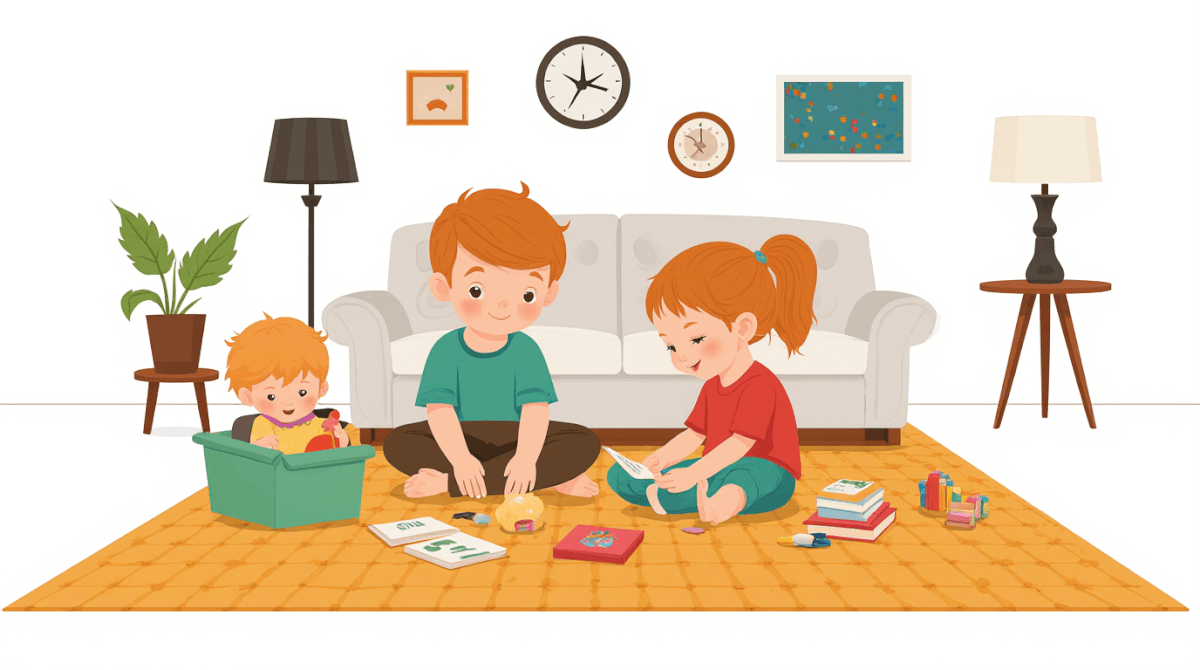
From the moment a child is born, the world is a vast and complex landscape, filled with myriad interactions that can influence the path their life will take. Early childhood, in particular, serves as the foundation upon which all subsequent development is built. The ways in which children experience relationships, emotions, and challenges during these formative years have profound and lasting effects on their emotional security, confidence, identity, and self-regulation.
From birth, a child’s brain undergoes rapid development, particularly in areas responsible for emotion, social interaction, and learning. These early experiences begin to wire the neural pathways that govern how the child perceives and reacts to the world around them. When an infant receives consistent nurturing and soothing from caregivers, their brain is more likely to form stable connections that promote emotional security. This security allows the child to approach the world with a sense of trust and stability, laying the groundwork for healthy relationships in adolescence and adulthood.
If an infant frequently experiences neglect or erratic caregiving, they might develop a heightened sense of uncertainty and anxiety. The brain’s amygdala, which processes fear and stress, may become overly active, leading to a pattern of heightened alertness and vulnerability. As the child grows, these patterns can manifest in difficulties with trust, forming stable friendships, and managing stress.
The impact of early experiences on emotional security extends beyond just immediate reactions. These foundational neural connections shape how children interpret and respond to situations throughout their lives. A child who grew up in an environment where they were encouraged to express emotions freely and had their feelings validated is more likely to develop a healthy emotional vocabulary. This means they can articulate their feelings more effectively, seek support when needed, and maintain open communication with others. A child who frequently experienced emotional invalidation might struggle to identify and communicate their emotions, potentially leading to misunderstandings or conflicts in later life.
Beyond emotional security, early childhood experiences also play a crucial role in shaping confidence and self-esteem. As children engage in play and exploration, they learn about their capabilities and limitations. Positive reinforcement from caregivers during these activities can boost a child’s self-confidence, encouraging them to take on challenges and try new things with optimism. Over time, this accumulated sense of competence translates into a belief in one’s own worth and ability to succeed.
If children frequently receive criticism or negative feedback without support, they may develop a fragile sense of self-worth. This can lead to ongoing struggles with self-doubt and a fear of failure, which can significantly impact their ability to take risks and pursue goals. The interplay between these experiences and the environment further compounds the issue; a child who receives validation in one area but criticism in another might experience a fragmented sense of self.
Identity formation is another critical aspect that early childhood experiences influence. Children begin to understand themselves in relation to others as they interact with caregivers, siblings, and peers. These interactions shape their understanding of gender roles, race, cultural norms, and personal values. A child who grows up in a diverse family environment may develop a more inclusive sense of self, whereas a child who is exposed to strict traditional views might internalize rigid beliefs about identity.
These early experiences also set the stage for how children regulate their emotions and behaviors. Self-regulation involves managing impulses, focusing attention, and controlling reactions—skills that are crucial for academic success, social interactions, and personal well-being. Children who learn to manage their emotions through supportive parenting are better equipped to handle stress and adversity. They develop resilience, which enables them to bounce back from setbacks and maintain a positive outlook.
Children who experience neglect or abuse may struggle with self-regulation. Chronic stress can lead to dysregulated physiological responses, such as heightened cortisol levels, which can impair cognitive function and emotional stability. This can make it challenging for the child to focus in school, control their behavior, and manage emotions effectively. Over time, these dysregulations can result in chronic stress, anxiety, or depression, significantly impacting their overall quality of life.
The tension between support and overprotection is another critical dynamic that plays out during early childhood. While supportive parenting is essential for a child’s well-being, overly protective behavior can have unintended consequences. When parents hover too much, children may miss opportunities to develop problem-solving skills and independence. This can lead to a sense of entitlement and dependence, making it difficult for the child to navigate challenging situations on their own in adulthood.
At the same time, parents who provide appropriate levels of support can help children build resilience and autonomy. Children learn to trust themselves and their abilities when they are given opportunities to make choices and face those.
The tension between support and overprotection is another critical dynamic that plays out during early childhood. While supportive parenting is essential for a child’s well-being, overly protective behavior can have unintended consequences. When parents hover too much, children may miss opportunities to develop problem-solving skills and independence. This can lead to a sense of entitlement and dependence, making it difficult for the child to navigate challenging situations on their own in adulthood. Parents who provide appropriate levels of support can help children build resilience and autonomy. Children learn to trust themselves and their abilities when they are given opportunities to make choices and face challenges within safe boundaries. This balance is crucial for developing a healthy sense of self-efficacy.
The cultural and social contexts in which these interactions occur also play a significant role. Different societies and families have varying expectations and norms around child-rearing practices. In some cultures, children are encouraged to be more independent from a young age, while in others, close supervision and protection are emphasized. These differing cultural norms can influence the types of support and challenges presented to children, shaping their development in unique ways.
Early childhood experiences lay the groundwork for emotional security, confidence, identity, and self-regulation. These foundational elements are not static but evolve through repeated patterns of interaction. The quality and consistency of these interactions, whether supportive or overprotective, significantly influence how children perceive themselves and the world around them. The way parents and caregivers nurture and interact with their children during this critical period can have long-lasting impacts on their future relationships, academic success, and overall well-being.