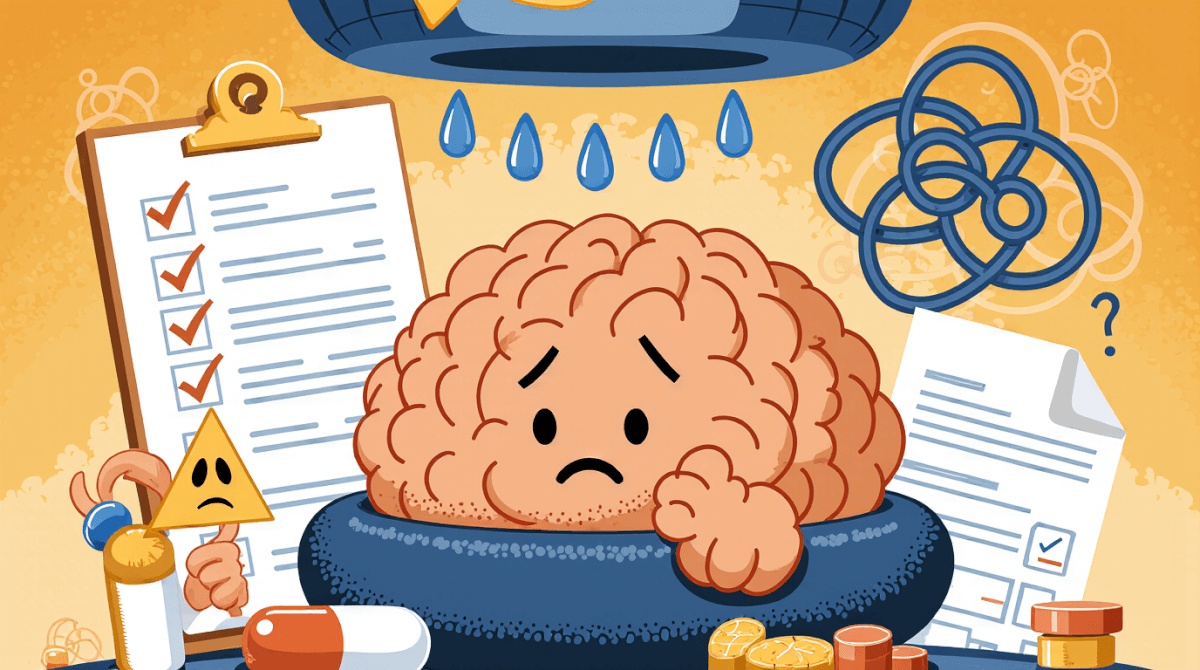
Mental overload occurs when the brain is consistently overwhelmed by an array of thoughts and tasks, leaving little room for rest and recovery. Imagine the mind like a computer that processes data. When it is continuously running multiple applications without any downtime, the system starts to slow down, glitch, or crash. Similarly, our minds can become fatigued when we are constantly bombarded with information, responsibilities, and emotional demands. This mental fatigue can lead to a persistent state of sadness, as the brain struggles to process and manage the accumulated stress.
Constant stimulation exacerbates this condition further. In today’s world, people are exposed to an endless stream of notifications, social media updates, news, and advertisements that keep them perpetually engaged. While such constant engagement might seem productive or enjoyable, it can also fragment our attention. Attention is like a limited resource; when it is divided among numerous sources, each receives only a fraction of its capacity. This fragmentation makes it challenging to focus on any one task or emotion deeply, leading to a state where sadness seems to permeate every moment.
Emotional neglect, whether from external sources or self-imposed, can also contribute to persistent sadness. When individuals do not allow themselves time for emotional reflection and expression, they are denying themselves the chance to process their feelings effectively. Just as physical neglect can lead to health issues, emotional neglect can result in psychological distress. It is crucial to recognize that emotions are valid and should be acknowledged, even if they are uncomfortable or painful.
The importance of attention, rest, boundaries, and reflection cannot be overstated. Attention is the key to mental clarity and emotional regulation. When we allow ourselves to focus on a single task or emotion at a time, we give our minds a chance to process and understand it more deeply. This mindfulness can help us identify the underlying causes of our sadness and develop strategies to address them.
Rest, particularly sleep, is another vital component in maintaining mental health. Sleep is when the brain processes the day’s experiences, consolidates memories, and clears out harmful toxins. Without adequate rest, these essential functions are disrupted, leading to a state where sadness can easily take hold. It is not just about the number of hours slept but the quality of sleep that matters. Practices such as maintaining a consistent sleep schedule, creating a restful environment, and avoiding stimulating activities before bedtime can significantly improve the sleep experience.
Boundaries play a crucial role in managing emotional well-being. Setting limits on our exposure to stressful situations or people can prevent us from becoming overwhelmed. Boundaries can be physical, like creating space in our daily routines for alone time, or psychological, such as learning to say no to demands that do not align with our values or current needs. By establishing these boundaries, we protect ourselves from unnecessary emotional strain and create a sense of control over our lives.
Reflection is the process of looking inward and examining one’s thoughts, feelings, and behaviors. This introspection allows us to gain a deeper understanding of ourselves and identify patterns that might be contributing to persistent sadness. Someone might notice that they feel particularly low every time they experience a certain type of criticism or engage in a particular activity. By recognizing these patterns, individuals can begin to address the underlying issues, whether through therapy, self-help techniques, or simply by making mindful choices about their daily habits.
Signals and patterns are key indicators that sadness has become persistent. These might include a noticeable change in mood, decreased interest in activities once enjoyed, difficulty concentrating, or feelings of hopelessness or worthlessness. Recognizing these signs is the first step towards addressing the underlying issues. It is important to understand that acknowledging these signals does not automatically lead to solutions; rather, it is a recognition of the need for deeper exploration and potentially professional help.
When sadness becomes persistent, it is often a symptom of broader mental health challenges. Mental overload, constant stimulation, and emotional neglect all contribute to this state by overwhelming our cognitive resources, fragmenting our attention, and stifling our ability to process emotions effectively. By prioritizing attention, rest, boundaries, and reflection, we can begin to address these issues and regain a sense of balance and well-being. Recognizing the signs and patterns is the first step towards understanding and managing persistent sadness, paving the way for a more balanced and fulfilling life.