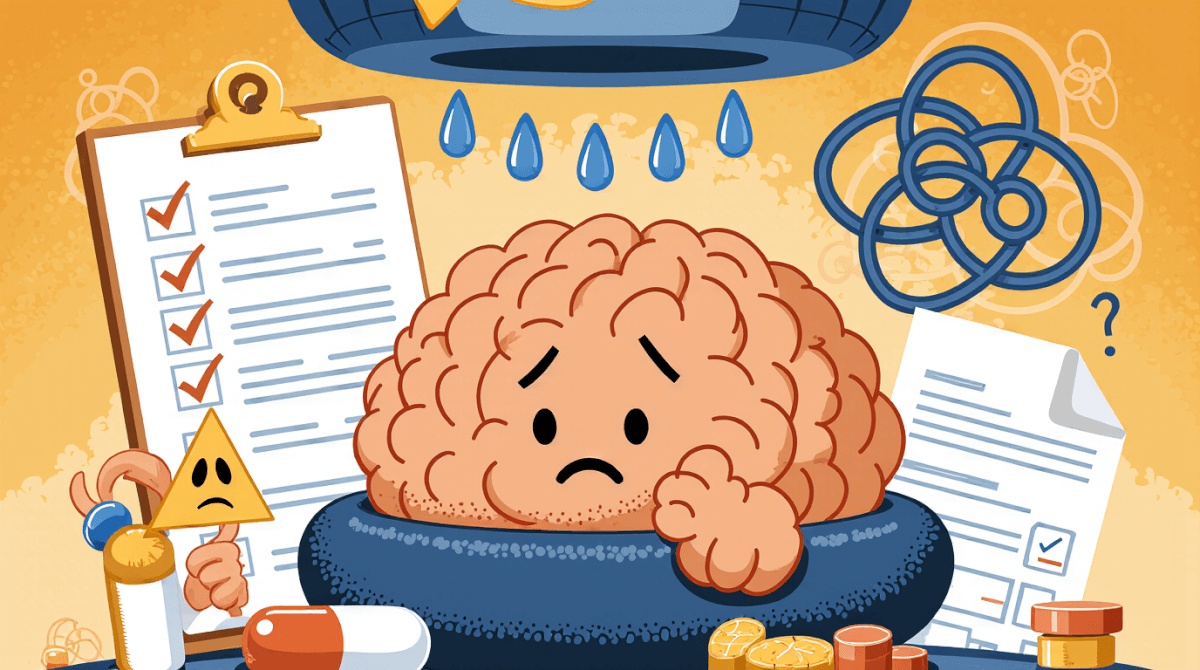
Consider the everyday experience of scrolling through social media or managing work-related emails. The constant stream of information can fragment attention, making it difficult to focus on any one task or thought. This fragmentation can result in a state where the mind is perpetually in a state of alertness, ready to respond to the next input. Over time, this constant activation can wear down the mental resources, leaving you more prone to negative thoughts and feelings.
The phenomenon of “negative thinking feeling automatic” is also linked to the emotional neglect or lack of rest that many individuals experience regularly. When we fail to take time for rest and reflection, our emotional well-being can suffer. The brain, like any other organ in the body, requires periods of rest to process and integrate experiences. Without these breaks, emotional regulation can become increasingly challenging. Negative thoughts can then surface more easily, as the mind lacks the resources to maintain a positive or neutral outlook.
The mechanisms at play here are both psychological and emotional. On a psychological level, the brain’s default mode network, which is active during rest and involved in introspection and self-awareness, can become suppressed when our minds are constantly engaged in external tasks. This suppression can lead to a more passive state where negative thoughts and feelings dominate.
Emotionally, the lack of downtime can result in a buildup of unprocessed emotions. These emotions, when left unchecked, can manifest as automatic negative thinking. If someone feels emotionally neglected at work, they might begin to see the world through a lens of scarcity or insecurity, perceiving every interaction as a potential threat.
It is crucial to recognize these patterns and signals within ourselves. Paying attention to when negative thoughts become frequent or overwhelming can be a sign that the mind is in need of a break. Recognizing this is the first step towards addressing the underlying issues. Simple actions like setting boundaries, taking regular breaks, and engaging in mindfulness practices can significantly impact our mental state.
Imagine ending the workday with a short walk in nature or practicing deep breathing exercises. These activities allow the brain to reset and the mind to reflect on the day’s events without the constant pressure of external demands. Over time, these practices can build resilience against the onslaught of negative thoughts, helping to restore a more balanced outlook.
Another practical approach is to create boundaries around technology use. Setting specific times during the day when devices are not used, such as during meals or before bed, can help reduce the constant influx of information and prevent the mind from becoming overstimulated. This, in turn, can contribute to a more stable emotional state and a reduction in negative thinking.
Awareness is key. By observing our thoughts and emotions without judgment, we can gain insight into the patterns that contribute to automatic negative thinking. Mindfulness practices, such as journaling or meditation, can provide a space for this reflection. These activities encourage us to notice when our minds are spiraling into negativity and offer an opportunity to shift our focus to more positive or neutral thoughts.
Engaging in activities that genuinely bring joy or relaxation can also help counteract the tendency towards negative thinking. Whether it’s reading a book, listening to music, or engaging in creative hobbies, these activities can provide a much-needed break from the demands of daily life and promote a more balanced mental state.
It is important to note that while awareness and reflection are valuable tools, they do not offer immediate solutions. The process of addressing automatic negative thinking is ongoing and requires patience and consistency. By incorporating these practices into our daily routines, we can gradually build a stronger foundation for emotional resilience and reduce the frequency and intensity of negative thoughts.
In summary, when negative thinking feels automatic, it is a reflection of the cumulative effects of mental overload, emotional neglect, and constant stimulation. Recognizing this state and taking steps to address it through mindfulness, boundaries, and restful activities can make a significant difference in our well-being. The journey towards a more balanced and positive mindset is not instantaneous but requires ongoing attention and care. By maintaining a thoughtful and reflective approach, we can navigate the challenges of automatic negative thinking and foster greater mental health and resilience.