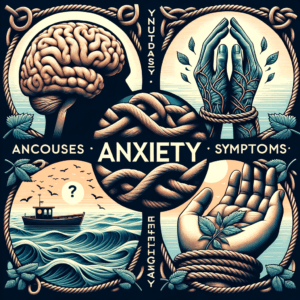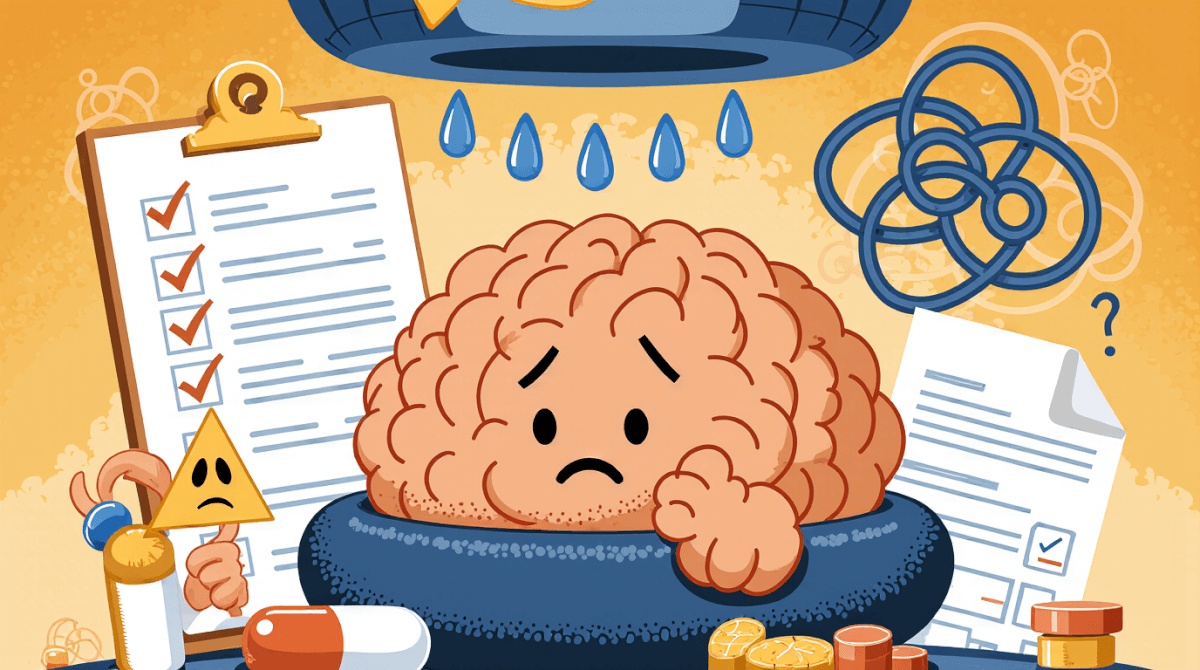
Mental overload and constant stimulation are common in today’s fast-paced world. The relentless stream of information, whether from social media, work demands, or personal worries, can fragment our attention and deplete our mental resources. When the brain is constantly engaged, it struggles to process emotions effectively, leading to a state where fear can seep into every thought and action. Imagine scrolling through news feeds that highlight global crises and local tragedies, each piece of information adding to an already heavy cognitive load. Over time, these inputs can trigger a chronic state of alertness, making it difficult to distinguish between real threats and perceived ones.
The impact of emotional neglect is equally significant. When individuals do not receive the emotional support they need, they may develop a heightened sense of vulnerability, leading to a pervasive fear that can control their behavior. Emotional neglect can manifest in various forms, from a lack of validation in relationships to a general absence of positive reinforcement and encouragement. This emotional deprivation can make people more susceptible to fear-based thinking and actions. Someone who has grown up in an environment where emotions are not openly discussed or validated might find themselves constantly on guard, fearing that any sign of weakness could lead to rejection or criticism.
Fear, when it begins to control behavior, manifests through a series of subtle but profound changes. One of the most common patterns is hypervigilance, where individuals are constantly scanning their environment for potential threats. This state of constant alertness can be exhausting and debilitating, as it requires a significant amount of mental energy to remain on high alert at all times. Another manifestation is avoidance behavior, where people actively steer clear of situations or activities that might trigger their fears. Someone who feels fear of failure might avoid applying for new jobs or taking on new projects, even though such experiences could be beneficial for personal and professional growth.
The psychological mechanisms behind these behaviors are rooted in the brain’s response to stress and danger. The amygdala, the brain’s alarm center, plays a crucial role in fear conditioning. When the amygdala perceives a threat, it triggers the fight or flight response, flooding the body with hormones like adrenaline and cortisol. Over time, this can lead to a state of chronic anxiety where even minor stimuli can trigger a full-blown fear response. This heightened state of arousal can interfere with cognitive processes such as decision-making and problem-solving, making it difficult for individuals to think clearly or engage in rational behavior.
Attention, rest, boundaries, and reflection are key elements that can help mitigate the effects of fear controlling behavior. Attention is the first line of defense against mental overload. By consciously focusing on the present moment and engaging in activities that require full attention, such as reading a book or practicing mindfulness, individuals can begin to break the cycle of constant stimulation. Rest, particularly adequate sleep, is crucial for mental recovery and emotional regulation. The brain needs time to process information and reset its stress response, making rest a vital component of mental health.
Boundaries are essential for setting limits on what one is willing to engage with and how much one is willing to take on. Establishing clear boundaries can help reduce the sense of overwhelm and prevent fear from becoming overwhelming. Setting specific times for checking emails or social media can help manage the constant stream of information and avoid feeling perpetually connected.
Reflection is a powerful tool for gaining insight into one’s fears and understanding their roots. By dedicating time to introspection, individuals can explore the underlying emotions and thoughts that trigger fear-based behavior. This process can lead to greater self-awareness and a clearer understanding of what drives these reactions, making it easier to address them in a constructive manner.
In summary, when fear controls behavior, it does so through a complex interplay of psychological mechanisms that are deeply rooted in the brain’s response to stress and danger. Mental overload, constant stimulation, and emotional neglect contribute to this state, making it difficult for individuals to think clearly or engage in rational behavior. Addressing these issues requires a multifaceted approach that includes managing attention, ensuring adequate rest, setting boundaries, and engaging in reflection. By understanding these mechanisms and taking steps to mitigate their effects, individuals can begin to reclaim control over their thoughts and actions, fostering a healthier psychological state.
Related Reading
– Gabor Maté – In the Realm of Hungry Ghosts
– Marsha Linehan – Cognitive-Behavioral Treatment of Borderline Personality Disorder