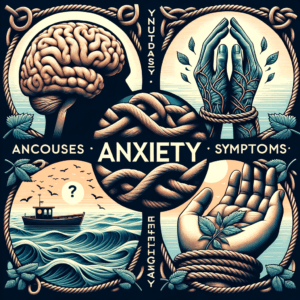
Anxiety is a natural human reaction, often triggered by circumstances that feel threatening or challenging. It’s commonly misunderstood as entirely negative; in moderate doses, it can serve a protective role by alerting us to potential dangers and boosting our energy levels for urgent tasks. Anxiety becomes problematic when it escalates into excessive worry and fear that disrupt normal functioning.
Imagine walking down a dimly lit alley late at night; your heart races, your palms sweat, and you feel an overwhelming urge to hurry home—this is anxiety in action, a response designed to protect us from perceived threats. If this feeling persists even when there’s no apparent danger, such as worrying excessively about work performance or health issues without clear reasons, it can gradually take over your daily life.
Anxiety disorders are among the most common psychological conditions and range widely in severity—from mild uneasiness to severe panic attacks. The physiological symptoms of anxiety include a rapid heartbeat, chest pain, difficulty breathing, dizziness, nausea, sweating, trembling, and trouble concentrating. These physical sensations can be overwhelming and may lead individuals to believe they’re facing a serious health crisis.
Generalized Anxiety Disorder (GAD) is characterized by persistent and excessive worry that disrupts daily life. Unlike transient anxiety about specific events or situations, GAD involves pervasive concerns about multiple aspects of life such as work, finances, relationships, and health. People with GAD often experience physical symptoms like headaches, muscle tension, trembling, sweating, and insomnia. These worries are not easily controlled and can last for six months or longer.
Panic Disorder is another form of anxiety that manifests through sudden and intense attacks of fear without an obvious cause. During a panic attack, individuals may feel as if they’re having a heart attack due to chest pain, rapid heartbeat, shortness of breath, dizziness, and nausea. These episodes can be brief but often leave the person feeling exhausted and anxious about future occurrences.
Phobias represent another category of anxiety disorders, involving irrational fears of specific objects or situations that trigger intense panic reactions. Someone with arachnophobia (fear of spiders) might feel overwhelming dread upon seeing a spider, even in a controlled environment like a pet store display case. While the fear is disproportionate to the actual danger, it can significantly impact daily activities and quality of life.
Post-Traumatic Stress Disorder (PTSD) arises from exposure to traumatic events that threaten safety or wellbeing. This includes experiences such as combat, natural disasters, serious accidents, and sexual assault. People with PTSD often re-experience these traumatic events through flashbacks, nightmares, and intrusive thoughts. They may also avoid places, people, and activities that remind them of the trauma, leading to emotional numbness and heightened vigilance.
Understanding anxiety involves recognizing its underlying mechanisms. Anxious thoughts often develop as a result of negative thought patterns and past experiences. Someone who grew up in an unstable home environment might interpret minor inconveniences as signs of impending disaster because they’ve learned to expect the worst. Similarly, people with perfectionistic tendencies may become anxious about making mistakes due to fear of failure and disapproval.
Coping with anxiety isn’t just about managing symptoms but also understanding and addressing these deep-seated beliefs. Mindfulness practices such as meditation can help individuals stay grounded in the present moment rather than dwelling on past regrets or future anxieties. Cognitive Behavioral Therapy (CBT) techniques, though not a direct recommendation for treatment, highlight how challenging irrational thoughts and developing more balanced perspectives can alleviate anxiety.
Social support plays a crucial role. Sharing experiences with others who understand what you’re going through can be incredibly comforting. It’s important to remember that seeking help from friends, family, or support groups is a sign of strength rather than weakness. Engaging in activities that bring joy and relaxation, like hobbies or exercise, also helps manage anxiety levels.
While anxiety can feel overwhelming, recognizing its origins and learning to navigate it can lead to a more balanced life. Understanding the psychological processes behind anxious thoughts allows individuals to develop strategies for managing their symptoms effectively without relying solely on medical interventions. By fostering resilience through self-awareness and social connections, people can reduce the grip of anxiety and regain control over their lives.