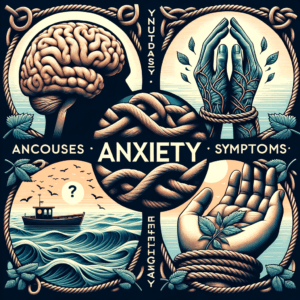
Anxiety, particularly when it manifests as a fear of social situations, often feels like an invisible force shaping how we interact with the world and others. It’s not just about shyness or low self-esteem; it can be deeply rooted in past experiences, learned behaviors, and even the information we absorb from our environment during formative years. Understanding the psychological and emotional mechanisms behind social anxiety helps us navigate its complexities without succumbing to overwhelming feelings of judgment and inadequacy.
One common trigger for social anxiety is a traumatic event experienced early on or later in life. Imagine being ridiculed or teased by peers at school, causing you to dread interactions that might repeat similar scenarios. This fear can become so pervasive that even mundane activities like attending a party or joining a conversation feel daunting. The emotional residue of such experiences can linger long after the initial trauma, influencing how we perceive and respond to social cues.
Social anxiety can also be learned through observation and imitation. Children are incredibly adept at picking up on behaviors and attitudes from their primary caregivers. If parents display signs of social discomfort or avoidance, it’s natural for children to internalize these reactions as appropriate responses to the world around them. If a child grows up in an environment where everyone is outgoing and socially active but feels they fall short due to personal fears or anxieties, withdrawal becomes a coping mechanism.
Another significant factor is misinformation about what constitutes “normal” behavior. Social norms often dictate how individuals should act, dress, and communicate. A girl who enjoys playing sports might feel pressured to conform to more traditionally feminine activities like doll play or crafting due to societal expectations. As she matures, these early experiences can manifest as anxiety when faced with social situations that highlight her deviation from expected norms. The fear of not fitting in or being judged for breaking unwritten rules about behavior can intensify over time.
Genetics might also play a role in predisposing individuals to social anxiety. Research suggests that identical twins, who share the same genetic makeup, are more likely to exhibit similar levels and patterns of social anxiety compared to fraternal twins, who only share some genes. This indicates there could be an inherited component influencing how certain environments or experiences trigger anxious responses.
The interplay between these factors—traumatic events, learned behaviors, societal expectations, and possibly genetics—creates a complex web that can lead to persistent social anxiety. Understanding this framework helps us see anxiety not as an isolated emotional state but as a response rooted in deeper psychological processes. When we acknowledge the multifaceted nature of anxiety, it becomes easier to approach it with empathy rather than frustration.
In everyday life, these mechanisms might play out in various ways. Someone who has experienced bullying may avoid joining group projects at work for fear of ridicule or rejection. Alternatively, an individual whose parents were overly cautious about social interactions might find themselves hesitating before answering questions in a meeting, worried about saying something wrong. Similarly, a person who felt pressured to conform to certain social norms during their formative years might struggle with dating due to feelings of inadequacy and fear of judgment.
By recognizing the psychological underpinnings of anxiety, we begin to see how our thoughts can shape our emotional landscape and behavior. Anxious thoughts tend to follow a pattern: they start small, often as fleeting worries about a particular situation, but over time these thoughts become more entrenched, leading to persistent fears that color everyday experiences.
The development of anxious thinking is gradual yet insidious. Initially, it might manifest as brief moments of doubt or fear during social interactions. Repeated exposure without effective coping strategies can reinforce these negative thought patterns. If someone constantly tells themselves they will embarrass themselves in a group setting before the event even occurs, this belief can become a self-fulfilling prophecy. Over time, the anticipation of embarrassment overshadows any positive outcomes and becomes a default mindset.
Anxious thoughts often involve catastrophic thinking—imagining worst-case scenarios that rarely come to pass. This type of thought pattern exacerbates feelings of anxiety by amplifying perceived threats in social situations. Catastrophic thinking can manifest as concerns about being laughed at, judged harshly, or rejected outright. These fears create a cycle where the anticipation of negative outcomes intensifies the anxious response, making it increasingly difficult to engage without fear.
On an emotional level, anxiety is characterized by heightened arousal and discomfort. Physically, this might include rapid heartbeat, sweating, and tense muscles. Emotionally, people experience feelings of dread, helplessness, and a pervasive sense that something bad will happen if they step out of their comfort zone. These sensations are often accompanied by avoidance behaviors to escape the uncomfortable state, reinforcing anxious thoughts through actions that prevent exposure to feared situations.
The impact on behavior is significant as well. People with social anxiety might avoid eye contact, refrain from speaking up in meetings, or decline invitations to gatherings. Over time, these choices can lead to a sense of isolation and missed opportunities for personal growth and connection. The cycle perpetuates itself through reinforcement; each avoided situation strengthens the belief that engaging with others is inherently dangerous.
Understanding anxiety also offers pathways to breaking its hold. Recognizing anxious thoughts as part of a broader psychological framework allows individuals to approach them critically rather than automatically accepting their validity. By questioning the accuracy and usefulness of these thoughts, people can begin to dismantle the cycle of negative reinforcement.
Instead of assuming an interaction will go poorly based on past experiences or fears, one might challenge this assumption by considering evidence that contradicts it. Did all previous social interactions end negatively? How does this belief serve you in the present moment? By introducing doubt into rigid thought patterns, individuals can start to shift their perspectives towards more balanced and realistic assessments of social situations.
Exploring the psychological and emotional mechanisms behind anxiety reveals a complex interplay between past experiences, learned behaviors, societal norms, and genetic predispositions. While these factors contribute significantly to the development and persistence of anxious thoughts and emotions, they also present opportunities for understanding and change. By critically examining our thought patterns and challenging them when necessary, we can start to loosen anxiety’s grip on our lives, allowing us to engage more fully with the world around us without fear overwhelming our experiences.