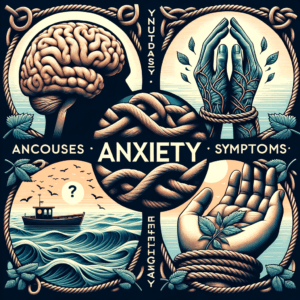
Anxiety is an intricate part of the human experience, manifesting itself through various forms such as stress over public speaking or deep-seated fears that pervade daily life. It’s a response rooted in our evolutionary past, designed to alert us to potential dangers and mobilize resources for survival. In today’s complex society, this mechanism can become overly sensitive, leading to persistent anxiety that disrupts normal functioning.
At its core, anxiety is fueled by the brain’s interpretation of threats, whether real or perceived. When we encounter a stressful situation, our amygdala—a small structure deep within the brain—rapidly assesses the environment and triggers the release of stress hormones like cortisol and adrenaline. This immediate response prepares us to either fight off danger or flee from it, a reaction commonly known as the “fight-or-flight” mechanism.
In everyday situations, this might look like feeling nervous before a presentation or having a heightened sense of awareness during an exam. These instances are typically temporary and manageable. For those with persistent anxiety disorders, these feelings can become overwhelming and constant. They experience symptoms such as racing heartbeats, sweating, trembling, nausea, and even full-blown panic attacks.
The development of anxious thoughts is often a gradual process influenced by both internal cognitive patterns and external environmental factors. Negative self-talk, plays a significant role in escalating anxiety. When someone with an anxiety disorder thinks about upcoming events or daily tasks, their mind tends to exaggerate potential negative outcomes, leading to a cycle of worry and distress. This pattern reinforces the belief that threats are imminent, even when they aren’t.
Consider someone who is anxious about social interactions. They might start by feeling nervous before a dinner party but then begin to imagine worst-case scenarios such as embarrassing themselves or being harshly judged by others. Over time, these thoughts become more automatic and less rational, leading the person to avoid similar situations altogether because of their fear of negative consequences.
Anxiety can be maintained through avoidance behaviors. Someone who fears public speaking might skip meetings where they are required to present ideas, thus missing out on professional development opportunities. While avoiding triggers provides immediate relief, it also prevents the brain from learning that these feared outcomes rarely occur and further solidifies anxious thinking patterns.
The emotional impact of anxiety is profound. It can lead to feelings of isolation, hopelessness, and a pervasive sense of dread. Individuals may struggle with self-esteem issues, as persistent worry about their abilities or judgment can erode confidence over time. The constant state of alertness associated with anxiety can also disrupt sleep patterns, further exacerbating symptoms.
Physiologically, chronic anxiety places significant strain on the body. Elevated levels of stress hormones can weaken the immune system, increase blood pressure, and contribute to conditions like heart disease. These physical effects highlight why it’s crucial for individuals struggling with severe anxiety to seek support from friends, family, or professional counselors who understand these challenges.
Understanding anxiety involves recognizing that it’s a complex interplay between biological predispositions and life experiences. Genetics can make some people more susceptible to developing anxiety disorders, but environmental factors such as stressful events or learned behaviors also play significant roles. Recognizing this multifaceted nature is key to comprehending why anxiety affects individuals differently and why certain coping strategies may work better for one person than another.
For those dealing with ongoing anxiety, it’s important to acknowledge the struggle without judgment. Rather than trying to eliminate anxious thoughts entirely—something that can be counterproductive—a more practical approach involves accepting their presence while learning how to manage them effectively. Mindfulness practices, such as meditation and yoga, are beneficial because they encourage individuals to observe their thoughts from a distance rather than engaging with or reacting to them.
Cognitive-behavioral techniques also offer valuable tools for managing anxiety. These methods involve identifying negative thought patterns and challenging their accuracy through evidence-based reasoning. Instead of catastrophizing about potential failures in social settings, someone might remind themselves of past successes and the likelihood that others are more focused on themselves than on judging others harshly.
Living with anxiety can feel isolating, but connecting with others who share similar experiences can provide comfort and practical insights. Support groups or online communities offer platforms where individuals can openly discuss their struggles and learn from collective wisdom. Sharing stories and strategies within these supportive environments can foster a sense of community and reduce feelings of isolation.
Understanding anxiety involves recognizing its deep-rooted psychological mechanisms and the profound impact it has on emotional well-being and behavior. By exploring how anxious thoughts develop and influence daily life, we gain insight into why certain coping strategies are effective. While professional help is beneficial for severe cases, self-awareness, supportive relationships, and practical techniques can empower individuals to navigate anxiety in a healthier manner. Recognizing the complexity of this condition allows us to approach it with compassion and understanding, fostering an environment where those affected feel seen and supported.