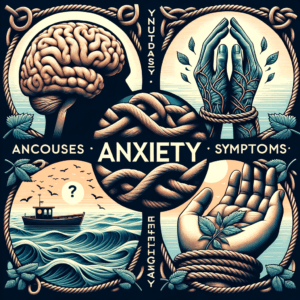
Anxiety, a pervasive mental state, can transform everyday interactions into daunting challenges. It’s an experience many people encounter but often struggle to articulate fully. Anxiety isn’t just about the intense fear and discomfort; it’s also the intricate web of thoughts and emotions that feed into each other, creating a cycle that feels hard to break.
At its core, anxiety is rooted in our fears and uncertainties about the future. When we imagine potential negative outcomes from social interactions or personal decisions, these fears can morph into full-blown anxieties. Envisioning a conversation with a colleague turning sour because of something you said might trigger an anxious response even before you’ve had that conversation.
The development of anxious thoughts is often gradual and insidious. What starts as a minor concern—like worrying about making a mistake in front of friends—can grow into persistent dread over any social interaction. Over time, these thoughts become more ingrained, influencing how we perceive situations and react to them. If someone frequently worries that they will be judged negatively by others, they might avoid conversations or interactions altogether.
This avoidance can create a vicious cycle: the less one engages in social situations, the harder it becomes to face them when the need arises. The brain learns from patterns of behavior—avoiding uncomfortable situations reinforces the idea that those situations are indeed dangerous and should be avoided. This learned behavior can lead to significant emotional distress over time.
The psychological impact of anxiety is profound. It not only affects how we interact with others but also shapes our self-perception. Anxiety can make individuals feel inadequate, isolated, and misunderstood. The constant fear of being perceived negatively by others can erode one’s sense of self-worth and confidence, making it difficult to form meaningful connections or pursue personal goals.
One common example is the experience of public speaking anxiety. Many people dread standing in front of an audience because they fear judgment, criticism, or failure. These fears are often rooted in past experiences or hypothetical scenarios that may not even come to pass. The anticipation of these negative outcomes can be so overwhelming that it leads individuals to avoid opportunities for growth and self-expression.
Anxiety also manifests physically, further complicating its psychological effects. Physical symptoms such as rapid heartbeat, sweating, and nausea are common responses when anxiety peaks. These bodily reactions can make it even harder to function normally in stressful situations. During a job interview or a presentation at work, the physical sensations of anxiety might make it difficult to concentrate on the task at hand.
Anxiety doesn’t exist in isolation; it often coexists with other emotional challenges like depression and stress. The interplay between these conditions can exacerbate symptoms and complicate recovery efforts. Depression, can lower self-esteem, making social interactions even more challenging due to a reduced willingness to engage actively.
Understanding the mechanisms behind anxiety is crucial for managing its effects. Recognizing that anxious thoughts are often based on fears rather than facts helps individuals challenge these negative thought patterns. Cognitive-behavioral techniques such as mindfulness and cognitive restructuring can be helpful in this regard, allowing people to observe their thoughts without immediately reacting to them emotionally.
For those struggling with anxiety, it’s important to acknowledge the impact it has on daily life without succumbing to feelings of hopelessness or defeat. Anxiety is a common experience that affects many individuals worldwide, but its personal nature means each person’s journey towards understanding and managing it will be unique.
In practical terms, taking small steps to engage in social situations can help break the cycle of avoidance. For someone with severe anxiety about public speaking, starting with smaller audiences or less formal settings might be a good beginning. Each successful interaction provides an opportunity for positive reinforcement, gradually building confidence over time.
While anxiety is a complex and challenging experience, it doesn’t define who we are as individuals. By understanding the psychological and emotional mechanisms behind anxious thoughts and behaviors, people can develop strategies to manage their symptoms effectively. This journey towards self-awareness and resilience allows individuals to reclaim control of their lives, fostering personal growth and well-being in the face of adversity.
The key is recognizing that anxiety, though uncomfortable, does not have to dictate one’s life choices or interactions. By learning to navigate these challenges with a thoughtful and reflective approach, it becomes possible to transform anxiety from an obstacle into a catalyst for personal development and fulfillment.