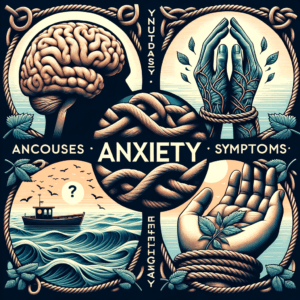
Understanding the intricate dance between anxious thoughts and their impact on our daily lives is crucial for anyone who has ever felt overwhelmed by uncertainty or fear. Anxiety isn’t just a fleeting feeling; it’s an emotional state that influences how we think, feel, and behave in profound ways.
At its core, anxiety arises from a combination of biological responses and psychological patterns. When we perceive a threat—whether real or imagined—the brain triggers the release of stress hormones like adrenaline and cortisol. These chemicals prepare us for action by increasing heart rate, sharpening senses, and heightening alertness. While this response was essential for survival in ancient times when threats were more tangible and immediate, today’s world is filled with non-life-threatening situations that can still trigger these same reactions.
Imagine being stuck in a long line at the bank or dealing with an unexpected work deadline. These scenarios may not pose physical dangers but they can activate our fight-or-flight response. The body reacts as if it were facing a real threat, leading to symptoms such as rapid breathing, increased heart rate, and sweating. Over time, these repeated reactions can wear us down physically and mentally.
The development of anxious thoughts often begins with small concerns or worries that gradually spiral into more significant fears. You might start by worrying about an upcoming presentation at work. Initially, this worry is manageable, but as the day approaches, your mind might begin to envision worst-case scenarios—what if I forget my lines? What if everyone laughs at me? These thoughts can snowball, intensifying anxiety and making it difficult to focus on practical solutions.
Anxious thoughts tend to be all-consuming. They disrupt our ability to enjoy moments of happiness or relaxation because we are constantly scanning the environment for potential threats. This hyper-vigilance can leave us feeling exhausted and disconnected from others. The constant rumination over what might go wrong creates a negative feedback loop where anxiety feeds more anxiety.
Emotionally, anxiety can erode self-confidence and resilience. When faced with challenges, anxious individuals often doubt their abilities and fear failure. This lack of confidence not only hampers performance but also diminishes the enjoyment derived from personal achievements. Instead of feeling proud after acing an exam, you might worry about making a mistake on future tests.
Behaviorally, anxiety can lead to avoidance behaviors as people try to protect themselves from feared outcomes. Someone with social anxiety might avoid gatherings or public speaking opportunities to prevent discomfort. While this strategy temporarily alleviates stress, it also limits personal growth and interpersonal connections over the long term.
Recognizing the cycle of anxious thoughts is the first step towards understanding their impact on our lives. By acknowledging that these thoughts are a product of fear rather than reality, we can begin to challenge them more effectively. Mindfulness practices like meditation or journaling can help us observe our thoughts without immediately reacting to them. This perspective allows us to differentiate between actual threats and imagined ones, reducing the intensity of anxious responses.
It’s also important to cultivate self-compassion in the face of anxiety. Beating yourself up for feeling anxious only adds to your emotional burden. Instead, treat yourself with kindness and patience as you navigate through difficult times. Accept that anxiety is a common human experience and doesn’t define who you are or limit what you can achieve.
In everyday situations, small changes can make a big difference in managing anxiety. Setting realistic goals and breaking tasks into manageable steps can reduce overwhelming feelings. Engaging in regular physical activity not only improves overall health but also boosts mood and reduces stress levels. Connecting with supportive friends and family provides emotional support during tough times.
Understanding the mechanisms behind anxiety helps us approach it from a place of knowledge rather than fear. By recognizing how anxious thoughts develop and influence our emotions and behaviors, we can take proactive steps to manage them more effectively. This process may not erase anxiety completely but it does empower us to live fuller, less restricted lives despite its presence.