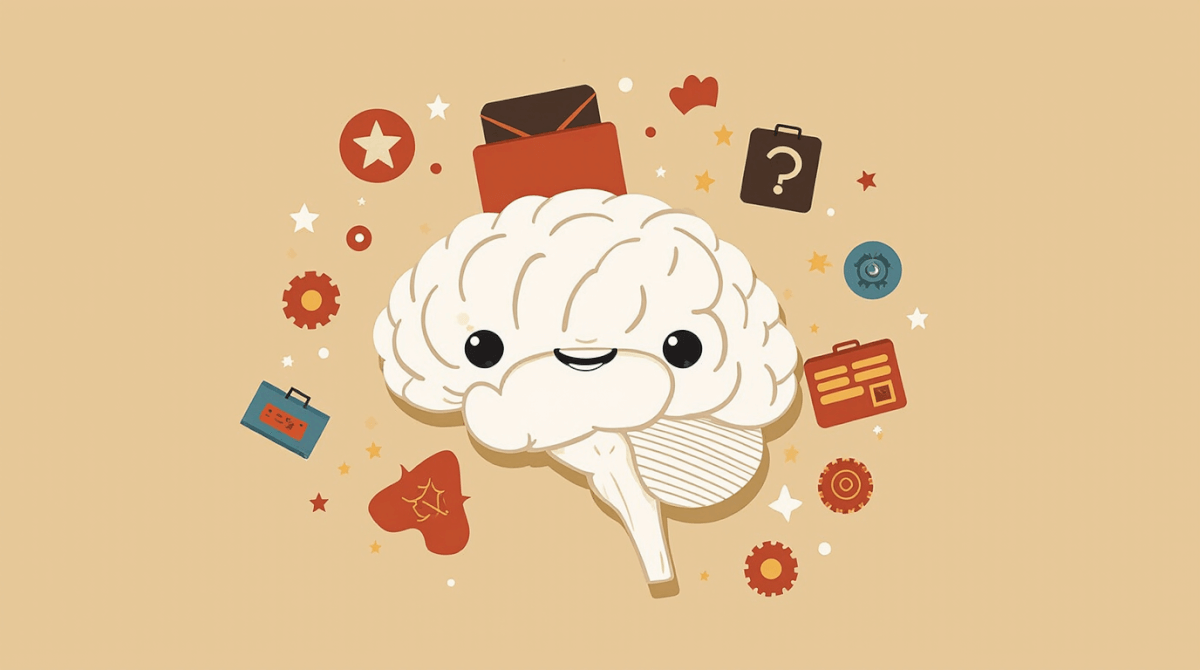
The mind is a dynamic system that encompasses our thoughts, emotions, and behaviors, continually interacting with our environment. To explore this system from a human perspective, it is essential to understand the interplay of mental processes and emotional patterns that shape our experiences and interactions.
At its core, the mind functions through a complex network of cognitive processes, including perception, memory, attention, and reasoning. These processes enable us to make sense of the world around us. When we encounter a new situation, our minds quickly analyze the information, categorize it, and decide on a course of action. This constant analysis is not static but dynamic, adjusting in response to changing circumstances.
Emotions play a crucial role in this process. They are complex, multifaceted experiences that encompass both cognitive and physiological components. Emotions such as joy, anger, sadness, and fear are not merely reactions to external stimuli; they are integral to our understanding of the world and our place within it. Feeling fear can alert us to potential dangers, allowing us to take evasive action. Similarly, experiencing joy can reinforce positive social connections and motivate behaviors that enhance well-being.
Stress is another critical factor in this dynamic system. It arises from the interaction between internal and external pressures, leading to a state of heightened arousal. Chronic stress can have significant impacts on mental and physical health, influencing cognitive function, emotional regulation, and overall quality of life. The body’s response to stress involves the activation of the hypothalamic-pituitary-adrenal (HPA) axis, which releases stress hormones like cortisol. These hormones prepare the body for “fight or flight” responses, but prolonged exposure can lead to wear and tear on the body and mind.
Inner psychological patterns further influence our experiences. These patterns are shaped by past experiences, cultural norms, and personal values. They often operate subconsciously, guiding our behavior and perceptions without our conscious awareness. A person who has experienced trauma may develop defensive mechanisms that protect them from emotional pain but also limit their ability to form close relationships. Alternatively, a person with a positive outlook may be more resilient in the face of challenges, attributing setbacks to temporary factors rather than permanent shortcomings.
The dynamic nature of the mind is evident in its adaptability. When faced with new information or changing circumstances, the brain can rewire itself, a process known as neuroplasticity. This ability allows individuals to learn, grow, and change over time. Engaging in new activities or forming new relationships can stimulate brain regions associated with learning and social interaction, potentially leading to enhanced cognitive function and emotional well-being.
Interpersonal relationships also play a significant role in the dynamic system of the mind. Social interactions are not merely external exchanges but deeply intertwined with our internal processes. Our experiences with others shape our self-concept, influencing how we see ourselves and how we interact with the world. Positive social support can buffer against stress, enhance emotional resilience, and promote overall well-being. Negative social experiences can lead to feelings of isolation, depression, and anxiety.
In examining the mind as a dynamic system, it is crucial to recognize that mental health and emotional well-being are not static states but ongoing processes influenced by a myriad of factors. Understanding this complexity requires a holistic approach that considers both internal and external influences. By recognizing the interplay of mental processes, emotions, stress, and inner psychological patterns, we can gain deeper insights into how individuals experience life and navigate their relationships with themselves and others.
The mind as a dynamic system is a fascinating and complex entity. It is through this lens that we can better appreciate the richness and variability of human experiences, fostering greater empathy and understanding in our interactions with others.