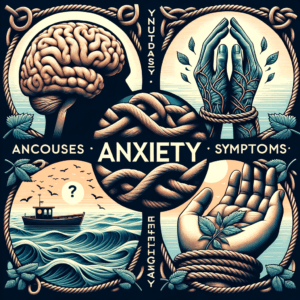
Anxiety often arises as an instinctual response to perceived threats or challenging situations, signaling our brain to prepare for potential danger through heightened alertness. While this mechanism is crucial for survival, chronic and unfounded anxiety can develop into a debilitating condition known as an anxiety disorder. This disorder manifests in various forms, each characterized by specific patterns of thought and behavior that significantly impact daily life.
Generalized Anxiety Disorder (GAD) stands out due to its persistent nature, often leaving individuals feeling anxious without a clear trigger. People with GAD may find themselves caught in a cycle of worry and anticipation about everyday matters such as work, health, or family issues. This constant state of unease can lead to physical symptoms like heart palpitations, insomnia, headaches, and dizziness. The prolonged anxiety disrupts daily routines and social interactions, making it challenging for individuals to relax or engage fully in activities they once enjoyed.
Specific phobias focus on intense fear tied to particular objects or situations. Someone with acrophobia (fear of heights) might experience overwhelming dread when standing at the edge of a high building, even though intellectually they know there is no immediate danger. The anxiety associated with these triggers can manifest physically through shaking, shortness of breath, and nausea, compelling individuals to avoid exposure despite knowing it’s irrational.
Panic disorder introduces recurring panic attacks that strike unexpectedly and without apparent cause. Symptoms such as chest pain, dizziness, and fear of losing control are common during these episodes. The unpredictability of panic attacks can severely limit a person’s ability to navigate everyday life comfortably, pushing them towards isolation in an effort to avoid potential triggers.
Social anxiety disorder further complicates interactions by causing intense distress in social settings. For individuals struggling with this form of anxiety, public speaking or simple conversations might induce physical symptoms like rapid heartbeat and trembling hands. The fear of being judged or humiliated can be so profound that it interferes with career opportunities, educational pursuits, and personal relationships.
Obsessive-Compulsive Disorder (OCD) introduces a unique challenge through the intertwining of obsessive thoughts and compulsive behaviors designed to alleviate anxiety. A person might develop an irrational obsession about cleanliness, leading them to engage in repetitive cleaning rituals to maintain order and control over their environment. This behavior is driven by the fear that not following these routines could result in catastrophic consequences.
Finally, Post-Traumatic Stress Disorder (PTSD) emerges as a response to experiencing or witnessing traumatic events. Individuals with PTSD might find themselves reliving the trauma through flashbacks, nightmares, or intrusive thoughts, often accompanied by heightened arousal and emotional numbing. Even seemingly innocuous stimuli can trigger intense fear, anxiety, and avoidance behaviors.
Understanding these different manifestations of anxiety is crucial for addressing their underlying causes and managing symptoms effectively. Anxiety disorders are not just about experiencing occasional worry; they encompass a complex interplay of psychological and physiological responses that require nuanced approaches to alleviate suffering. By recognizing the specific patterns and triggers associated with each type of disorder, individuals can better navigate their challenges and seek appropriate support without feeling overwhelmed by their experiences.
Anxiety disorders often stem from deep-seated fears and concerns about safety and security in a world perceived as unpredictable and threatening. These conditions are not merely psychological burdens but reflect intricate coping mechanisms that have become maladaptive over time. Recognizing the varied ways anxiety can manifest helps in fostering empathy and understanding for those grappling with these challenges. It is through this recognition that individuals can begin to build resilience, find solace in shared experiences, and develop meaningful strategies to manage their anxiety without resorting to isolation or despair.
Navigating life with an anxiety disorder requires patience and self-compassion, acknowledging the complexity of one’s emotional landscape rather than seeking quick fixes. It is about gradually building a toolkit of coping mechanisms that align with personal needs and circumstances. Whether it involves mindfulness practices, lifestyle adjustments, creative outlets for expression, or supportive connections within communities, finding personalized strategies to manage anxiety can lead to a more fulfilling and balanced life.
The journey through anxiety is deeply personal and unique to each individual. It requires acknowledging the validity of one’s experiences while gradually exploring ways to integrate these challenges into daily living. By fostering an environment that encourages understanding, compassion, and resilience, individuals with anxiety disorders can work towards reclaiming their sense of peace and purpose in a world often perceived as dauntingly unpredictable.