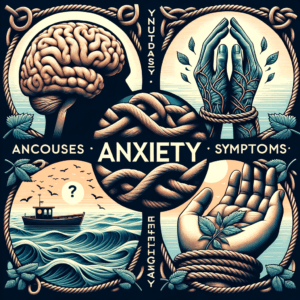
Anxiety is a pervasive experience in modern life that extends far beyond mere nervousness or fear. It manifests through an intricate web of emotional and physical symptoms, creating a heightened state of self-awareness that often makes everyday situations feel overwhelming and daunting.
Imagine attending a social gathering where you become intensely aware of how others perceive you. This excessive introspection can lead to awkward silences and strained conversations as you worry about being judged or evaluated by those around you. Such anxieties make it challenging to engage comfortably with your peers in these settings, leaving you feeling isolated and disconnected.
Physical symptoms also play a significant role in the experience of anxiety. These may include blushing, an increased heart rate, dizziness, nausea, and even a sensation of choking during severe episodes. While these reactions might seem like natural responses to fear or nervousness, they can escalate into more serious health concerns if left unaddressed.
Consider walking down a busy street late at night when the environment around you suddenly feels overwhelming. Your heart races, your breath quickens, and you feel as though something is blocking your airway. These sensations might initially be interpreted as mere nervousness or fear, but they could indicate an underlying anxiety disorder. This misinterpretation can delay necessary attention and intervention.
Anxiety tends to amplify typical responses to stress or fear, making it difficult to distinguish between a normal reaction and the heightened state associated with this condition. During public speaking engagements, individuals might experience increased sweating, trembling hands, and rapid breathing—symptoms that could be seen as standard nervousness for such situations. When these reactions become disproportionate to the actual level of risk or danger involved, they may signal anxiety at play.
The subtle way in which anxiety can infiltrate daily life makes it particularly insidious. It might gradually seep into various aspects of one’s existence without immediate notice, only surfacing during stressful events. This gradual onset and persistent nature often lead individuals to dismiss early signs as mere quirks or temporary discomforts rather than indicators of a broader issue.
At its core, anxiety involves an amplified awareness of potential threats—real or perceived—and heightened physiological responses. These symptoms can be both distressing and confusing, leaving people questioning whether their experiences are typical or indicative of something more serious. Recognizing that these feelings might stem from anxiety rather than mere nervousness is crucial for addressing the condition effectively.
Understanding the multifaceted nature of anxiety—its emotional and physical manifestations—is key to managing its impact on daily life. By acknowledging the complexity of this mental health issue, individuals can begin to navigate their experiences with greater clarity and empathy towards themselves. Anxiety doesn’t have a one-size-fits-all solution but requires personalized approaches to cope with its challenges.
Someone might experience heightened anxiety when facing deadlines at work or preparing for an important meeting. The anticipation of these events can lead to insomnia, irritability, and difficulty concentrating—symptoms that extend far beyond the initial stressor and impact various aspects of life. Recognizing these broader implications allows individuals to address their symptoms more holistically.
Anxiety often triggers a cycle where one’s thoughts reinforce their fears. If you fear public speaking, your anxious thoughts might focus on potential mistakes or ridicule from others. These thoughts can become so overwhelming that they overshadow any positive aspects of the situation, such as the opportunity to share knowledge and connect with an audience.
To break this cycle, it’s essential to recognize the role of cognitive distortions in perpetuating anxiety. Cognitive distortions are exaggerated or irrational thought patterns that contribute to negative emotions and behaviors. By identifying these distorted thoughts and challenging them with more balanced perspectives, individuals can gradually reduce their anxiety levels.
If you believe that making a mistake during a presentation will ruin your career, consider the reality: mistakes happen, and they often provide opportunities for growth and learning. Reframing such catastrophic thoughts into more realistic ones helps to alleviate some of the emotional burden associated with them.
In summary, anxiety is a nuanced condition that extends beyond simple fear or nervousness. Its emotional and physical symptoms intertwine in complex ways, making it difficult for individuals to identify without proper awareness. Recognizing the broader spectrum of anxiety’s impact helps foster greater understanding and compassion towards those navigating this challenging terrain. Through increased awareness and empathy, individuals can better support themselves and others as they face the intricacies of anxiety.
By acknowledging the multifaceted nature of anxiety, we can approach it with a more comprehensive perspective. This deeper understanding not only aids in managing its symptoms but also fosters greater compassion towards those who experience it. Anxiety is a complex journey that requires patience, self-awareness, and support from both within and without.