
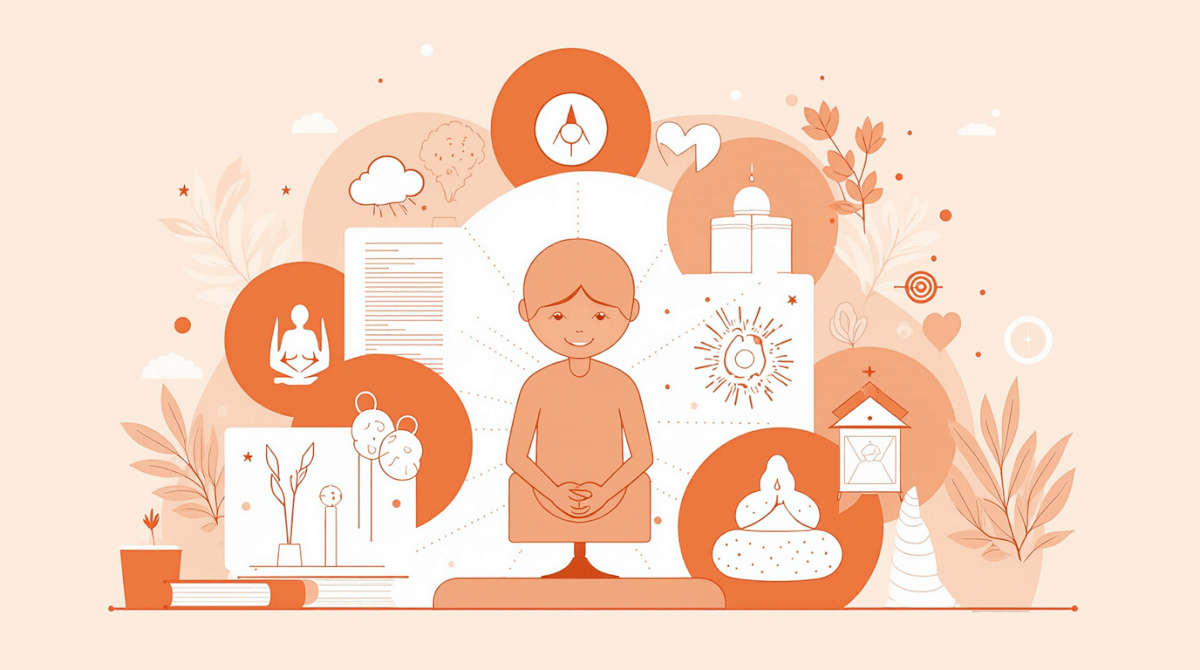
In the labyrinth of everyday life, we navigate through a series of certainties and uncertainties, presence and absence, control and surrender, doubt and trust. These binaries form the core of our inner experience, and they are particularly pronounced when we delve into the realm of spirituality. The ego thrives on certainty, often seeking to define who we are based on external markers such as status, achievements, or social standing. It operates with a pragmatic approach, ensuring that our lives align with societal norms and expectations. This can be comforting and practical but also constraining, limiting our ability to fully explore the uncharted territories of inner awareness.
Inner awareness is an expansive, ever-unfolding space where we encounter our true selves beyond the superficial layers created by the ego. It is a place of deep reflection, self-inquiry, and connection with something greater than ourselves—be it nature, the divine, or a sense of interconnectedness. This aspect of spirituality often emerges during moments of solitude, quiet contemplation, or profound experiences that strip away the veneer of daily life. Finding oneself in a forest at dawn, feeling the warmth of the rising sun on the skin and the cool breeze of morning, can be a moment where inner awareness might take hold, urging us to reflect on our place within the larger tapestry of existence.
The tension between these two states is not a static one but a dynamic interplay that shapes our spiritual journey. At times, we may find ourselves in harmony with both forces, where ego and inner awareness coexist in balance. This equilibrium can manifest as a sense of peace or contentment, a state where the demands of daily life are met with grace, and moments of profound insight provide sustenance. Such states are often fleeting and frequently give way to periods of conflict.
Consider moments of moral questioning, for example. The ego might guide us towards quick, pragmatic decisions that align with societal norms or personal ambition, while inner awareness may prompt a deeper consideration of the consequences and intentions behind our actions. This tension is not simply about right versus wrong but rather about understanding the complexity of human nature and the myriad factors that influence our choices.
In moments of crisis, this tension can become especially acute. When faced with significant life changes or challenges, such as illness, loss, or professional setbacks, the ego’s need for control may clash violently with a deeper longing for surrender and acceptance. These are times when we must confront not just external circumstances but also our inner beliefs and values. The struggle is to find a middle ground where we can honor both our practical needs and our spiritual aspirations.
This tension extends beyond individual experiences into the collective human psyche. Society often emphasizes certain types of egoic behavior that prioritize material success, status, or conformity over personal growth and spiritual exploration. Yet, there are also movements within society—such as mindfulness practices, community service, or artistic pursuits—that encourage a deeper engagement with inner awareness. These tensions reflect broader cultural shifts in how we value different aspects of human experience.
In exploring this tension, it is crucial to recognize that neither the ego nor inner awareness should be seen as inherently positive or negative. Both are necessary for a balanced and meaningful life. The ego provides structure and stability, while inner awareness offers depth and connection. Balancing these two forces requires continuous self-awareness and introspection, practices that can be cultivated through various spiritual disciplines such as meditation, journaling, or engagement with nature.
The tension between ego and inner awareness is not about achieving a state of perfection but rather about finding a path that allows for both practical navigation and profound personal growth. It invites us to embrace uncertainty, to remain open to new experiences, and to trust in the process of self-discovery. As we navigate this tension, we may find that it leads not only to a more authentic sense of self but also to a greater understanding of the interconnectedness of all things—a realization that can bring both comfort and courage in an often uncertain world.
In reflecting on these inner experiences, we come to see spirituality as a deeply personal journey rather than a fixed set of beliefs or dogmas. It is an exploration of our own hearts, minds, and souls—both the conflicts within and the harmonies that arise from embracing them. As we walk this path, we may find that the tension between ego and inner awareness becomes less about struggle and more about growth and transformation.
To explore the broader framework behind this topic, read
Living Your Beliefs: When Faith and Spiritual Awareness Meet Daily Life.
Related Reading
– Deepak Chopra — The Seven Spiritual Laws of Success
– Sadhguru — Inner Engineering



Be First to Comment