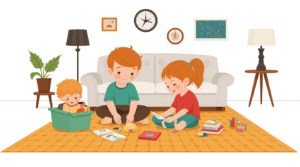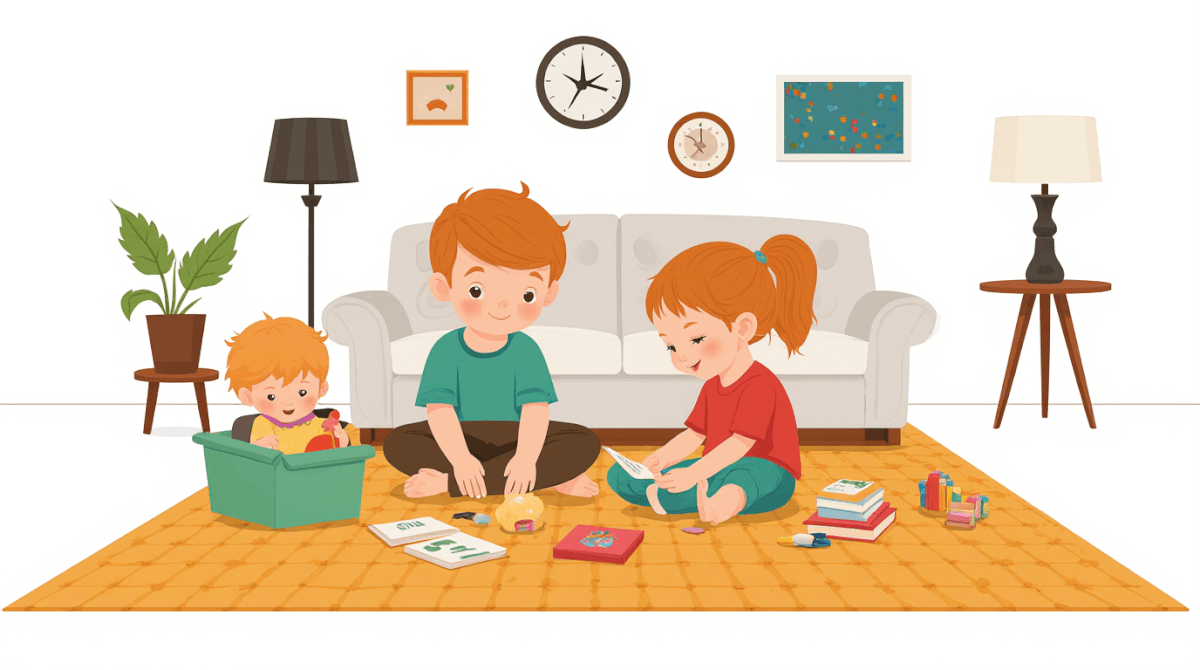
In the tapestry of a child’s life, family relationships weave through every thread, subtly influencing emotional security, confidence, identity, and self-regulation. These interactions, often mundane and taken for granted, become the foundational bricks upon which a child’s psychological structure is built. The warmth or coldness, the consistency or inconsistency, the support or overprotection found in everyday family exchanges create an atmosphere that either nurtures or hinders a child’s ability to navigate the world.
At the heart of this process lies the concept of emotional security. Emotional security is not just about feeling safe; it is about knowing that one has a stable base from which to explore and engage with the world. When parents provide consistent care, validation, and empathy, children learn to trust their emotions and the people who surround them. When a parent soothes a child’s fears with a calm embrace or listens attentively to their concerns, the child begins to understand that emotions are not to be feared but can be managed. This fosters an internal sense of safety, which is crucial for emotional security.
Over time, this internalized sense of safety allows children to take risks and try new things. They develop a healthy curiosity about the world, knowing that they will be supported if something goes wrong. A lack of consistent emotional support can lead to feelings of vulnerability and insecurity. A child might fear expressing emotions for fear of being dismissed or punished, leading to an avoidance of challenges and a narrowed perspective on the world.
Confidence, closely tied to emotional security, is another dimension profoundly shaped by family relationships. Confidence is the belief in one’s own abilities and worth, and it emerges from repeated positive interactions with parents and caregivers. When a child successfully completes a task, such as cleaning their room or learning to tie shoelaces, and receives encouragement and praise, they internalize the message that they are capable. This reinforcement creates a positive feedback loop, where each success builds upon the last, gradually increasing the child’s self-assurance.
Confidence can also be hindered by overly critical or neglectful family dynamics. If parents constantly point out mistakes without acknowledging achievements, the child may develop a sense of inadequacy and doubt. Overprotection, while seemingly protective, can similarly undermine confidence. When parents do everything for their children, the child might miss the chance to develop problem-solving skills and resilience. The lack of opportunities to face and overcome challenges can result in an overreliance on others, stifling intrinsic confidence.
Identity formation is another critical area shaped by family relationships. Children begin to understand who they are through interactions with family members. A child who sees parents demonstrating kindness, empathy, and integrity learns these values and integrates them into their own identity. When parents model behaviors that resonate with the child’s interests and strengths, it supports the development of a positive self-image. If the family environment is toxic or inconsistent, children may struggle to form a clear sense of self, leading to confusion and insecurity.
Self-regulation, the ability to manage one’s own emotions and behavior, is also heavily influenced by family dynamics. When parents consistently use positive reinforcement and logical consequences, children learn to recognize and respond to their feelings in constructive ways. Teaching a child to pause before reacting to frustration can help them develop self-control. Inconsistent or overly harsh discipline can confuse the child, making it difficult for them to understand appropriate boundaries and behaviors.
These influences are not isolated events but part of a continuous process that shapes a child’s psychological development over time. The cumulative effect of these interactions can either support a child’s healthy growth or hinder it. Emotional security, confidence, identity, and self-regulation are interwoven, with each aspect influencing the others. A sense of emotional security, is vital for building confidence; without one, the other struggles to flourish.
The tension between support and overprotection is a common dynamic within families. While a supportive environment is crucial, overprotection can prevent children from developing essential life skills and resilience. Parents who are too anxious to let their children face challenges may inadvertently stifle their growth. Providing too little support or being overly critical can lead to feelings of inadequacy and insecurity.
The role of cultural and social contexts should not be underestimated. Families operate within broader societal frameworks that influence how they interact with each other and their children. In cultures that prioritize collectivism over individualism, family relationships might emphasize interdependence and community support more than personal achievement. Individualistic cultures may focus on fostering self-reliance and independence from an early age. These cultural norms can shape the expectations and behaviors within families, impacting a child’s psychological development.
Understanding these mechanisms requires patience and a deep appreciation for the complexity of family dynamics. Each interaction, whether positive or negative, contributes to the child’s growing sense of self and their ability to navigate the world. The warmth and support of a nurturing environment can create a foundation of emotional security that allows children to explore, try new things, and develop a healthy sense of identity. Neglect, overprotection, or toxic interactions can hinder this development, leading to feelings of vulnerability, low confidence, and confusion.
In the end, the intricate interplay of family relationships in shaping a child’s psychological development underscores the importance of consistency, positive reinforcement, and a balance between support and autonomy. While every family is unique, understanding these mechanisms can provide valuable insights into how everyday interactions contribute to a child’s emotional and psychological well-being. As families continue to navigate the complexities of parenting, the key lies in creating an environment where children feel supported enough to explore their world confidently, knowing that they are loved and valued for who they are.