
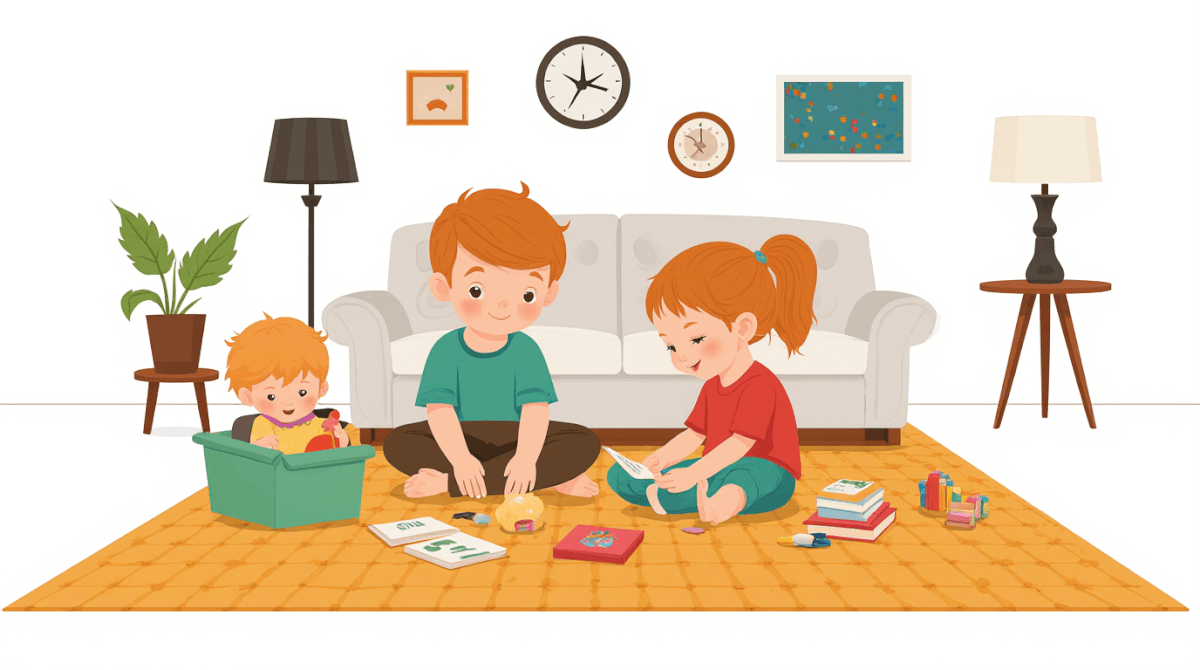
Patience plays a crucial role in emotional growth by fostering the development of self-regulation skills and resilience. Children who learn to wait for things they desire are better equipped to manage their emotions in various situations, leading to healthier social interactions and personal well-being later in life. The environment and early experiences significantly influence how children develop patience, shaping not only their immediate behaviors but also their long-term emotional capacities.
In the early stages of development, infants begin to learn that their needs will be met, albeit at a pace determined by caregivers. When a baby cries for food or comfort, the caregiver’s response teaches the infant about trust and expectation. Over time, as children experience consistent responses from adults, they start to understand that waiting is not a negative concept but rather an opportunity to explore their environment and emotions. This initial understanding forms the basis of patience.
As children grow older, their cognitive abilities allow them to develop more complex strategies for managing delayed gratification. One key mechanism through which this occurs involves the prefrontal cortex, the part of the brain responsible for decision-making and impulse control. When a child learns to delay immediate pleasure in favor of future rewards, they are engaging in what psychologists call “self-regulation.” This skill is critical because it enables children to navigate situations where patience is necessary without resorting to impulsive behavior.
Consider a scenario where a young child wants an immediate treat but understands that saving it for later will make the experience more enjoyable. Such a situation requires the child to manage their desire and focus on long-term satisfaction rather than short-term pleasure. Over time, this practice strengthens the neural pathways associated with patience, making it easier for children to employ these strategies in various contexts.
Parental interactions are central to teaching patience. A nurturing environment where parents consistently encourage waiting and provide explanations for why delayed gratification is important can significantly impact a child’s emotional development. When a parent calmly explains that they will have more energy to play after finishing chores, the child begins to understand the value of delayed pleasure in achieving long-term goals.
It is essential to note that not all environments provide this supportive framework. In households where there is constant immediate gratification or inconsistency in responses, children may struggle with developing patience. This lack of structure can lead to difficulties managing emotions and making decisions based on future rewards rather than immediate desires. A child who grows up receiving everything they want without delay might have trouble waiting for their turn during group activities or managing frustration when faced with delayed gratification.
The relationship between patience and emotional growth extends beyond individual development; it also influences social interactions. Children who are patient tend to be more empathetic and understanding towards others’ needs and feelings. They can better navigate conflicts, wait for their turn in games, and contribute positively to group activities. This skill fosters a sense of community and mutual respect among peers, which is crucial for healthy social development.
Children who lack patience may experience difficulties in these areas. They might become easily frustrated when things do not go as planned, leading to disruptive behaviors or withdrawal from social situations. Over time, this can result in feelings of isolation and difficulty forming lasting friendships, ultimately impacting their overall emotional well-being.
It is important to recognize that developing patience is a gradual process influenced by both internal and external factors. While genetic predispositions play a role, environmental influences such as family dynamics, school experiences, and community support are equally significant. Children who attend schools where teachers consistently model patience and offer opportunities for delayed gratification tend to develop stronger emotional regulation skills.
Cultural contexts also shape the understanding of what constitutes appropriate waiting behavior. In some cultures, there is a strong emphasis on delayed satisfaction as a means of achieving success, while in others, immediate pleasure might be more highly valued. These societal norms can affect how children perceive patience and its role in their lives.
The development of patience is a complex process that significantly impacts emotional growth. By teaching children to delay gratification and manage their emotions effectively, caregivers and educators provide them with essential tools for navigating life’s challenges. The environment and early experiences play pivotal roles in nurturing these skills, shaping not only immediate behaviors but also long-term emotional capacities. As society continues to evolve, the importance of patience in fostering resilient, empathetic individuals remains a critical aspect of emotional development.
Related Reading
– Alison Gopnik — The Gardener and the Carpenter
– Peter Fonagy — Affect Regulation and Mentalization


Be First to Comment