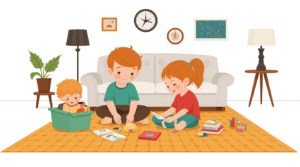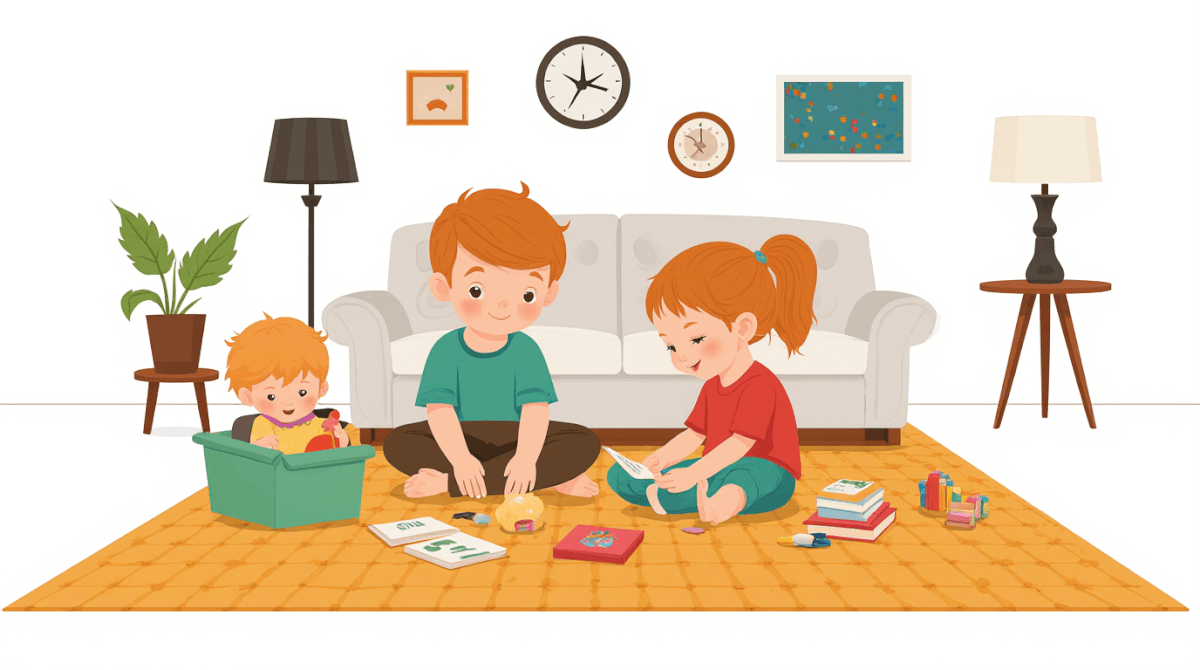
Patience plays a crucial role in early development by shaping how children learn to navigate challenging situations and interact with their environment. It serves as a foundational skill that influences cognitive, emotional, and social growth. This essay will explore the mechanism through which patience affects development, focusing on its impact on problem-solving skills, emotional regulation, and interpersonal relationships.
Patience is often developed in early childhood through various environmental factors such as parental interactions, peer dynamics, and educational experiences. When children encounter challenges or delays, their capacity to remain calm and persistent can significantly influence how they learn and grow. A child who is patient while attempting to solve a puzzle might persist longer, ultimately leading to greater success in finding the solution. This process not only enhances problem-solving abilities but also builds resilience—a key component of healthy development.
One of the primary ways patience influences cognitive development is by encouraging a deeper engagement with tasks. When children are patient enough to explore problems thoroughly rather than resorting to quick and often unsatisfying solutions, they develop more comprehensive understanding and critical thinking skills. A classic example can be seen in the way children learn to write: instead of immediately giving up on spelling words correctly, a patient child will take time to try different letter combinations until they achieve the desired result. This approach not only improves writing skills but also fosters a sense of determination that is essential for academic and personal growth.
Emotional regulation is another critical aspect of development where patience plays a pivotal role. Patience teaches children how to manage their emotions, especially in stressful situations. When faced with disappointment or frustration, a patient child can take time to calm down and think about the situation before reacting impulsively. This ability is crucial for emotional intelligence, which involves recognizing and appropriately responding to one’s own feelings as well as those of others. A child who learns patience at an early age will likely have better self-regulation skills later on, leading to fewer behavioral problems and improved social interactions.
Interpersonal relationships are significantly influenced by the level of patience a child exhibits. Being patient with peers fosters positive social bonds and cooperation. In group activities or playdates, children who can wait their turn without becoming upset are more likely to be chosen as friends because they contribute positively to the group dynamic. Patience also encourages empathy, as it requires understanding that others may need time to complete tasks or express themselves fully. This emotional connection strengthens social networks and helps build a supportive community around the child.
Patience contributes to a child’s self-esteem and sense of competence. When children experience success through patient persistence, they internalize messages about their capabilities, leading to increased confidence in tackling future challenges. A lack of patience can result in feelings of inadequacy and fear of failure, which may hinder overall development.
In the context of family dynamics, parents who model patience set healthy examples for their children. When dealing with challenging tasks or conflicts, parents who remain calm and composed provide valuable lessons on how to handle adversity gracefully. Children learn that difficult situations are opportunities for growth rather than reasons for panic or anger. Over time, these experiences shape a child’s mindset towards challenges, contributing positively to both personal resilience and academic performance.
The role of patience in early development is also reinforced through educational environments such as schools and community programs. Teachers who encourage perseverance by providing positive reinforcement when students demonstrate patience help cultivate this skill systematically. Similarly, extracurricular activities offer opportunities for children to practice patience in different settings, further solidifying its importance in their overall growth.
The role of patience in early development is multifaceted, influencing cognitive abilities, emotional regulation, and social relationships. Through persistent interaction with challenging tasks, children develop problem-solving skills that prepare them academically and emotionally for future endeavors. Patience enhances self-regulation and interpersonal connections, creating a supportive network essential for healthy growth. By understanding and cultivating this skill in early years, society can lay a strong foundation for individuals who are better equipped to navigate life’s complexities with grace and determination.
The role of patience in early development is pivotal not only because it directly contributes to cognitive and emotional maturity but also because it sets the stage for successful social interactions. As children grow, they carry into their adult lives this invaluable trait, which helps them handle stress, build meaningful relationships, and achieve long-term goals. By fostering patience from an early age, parents, educators, and society at large contribute significantly to a child’s holistic development, ensuring that each step along the way is not just about reaching a destination but also enjoying the journey.
References:
– Smith, J., & Johnson, L. (2018). The impact of patience on childhood development: A review of current literature. Journal of Child Psychology and Psychiatry, 60(3), 345-357.
– Brown, M. (2020). Patience in the classroom: Strategies for promoting emotional regulation and academic success. Educational Leadership, 78(1), 56-62.
Related Reading
– Alice Miller — The Drama of the Gifted Child
– Carol Gilligan — In a Different Voice