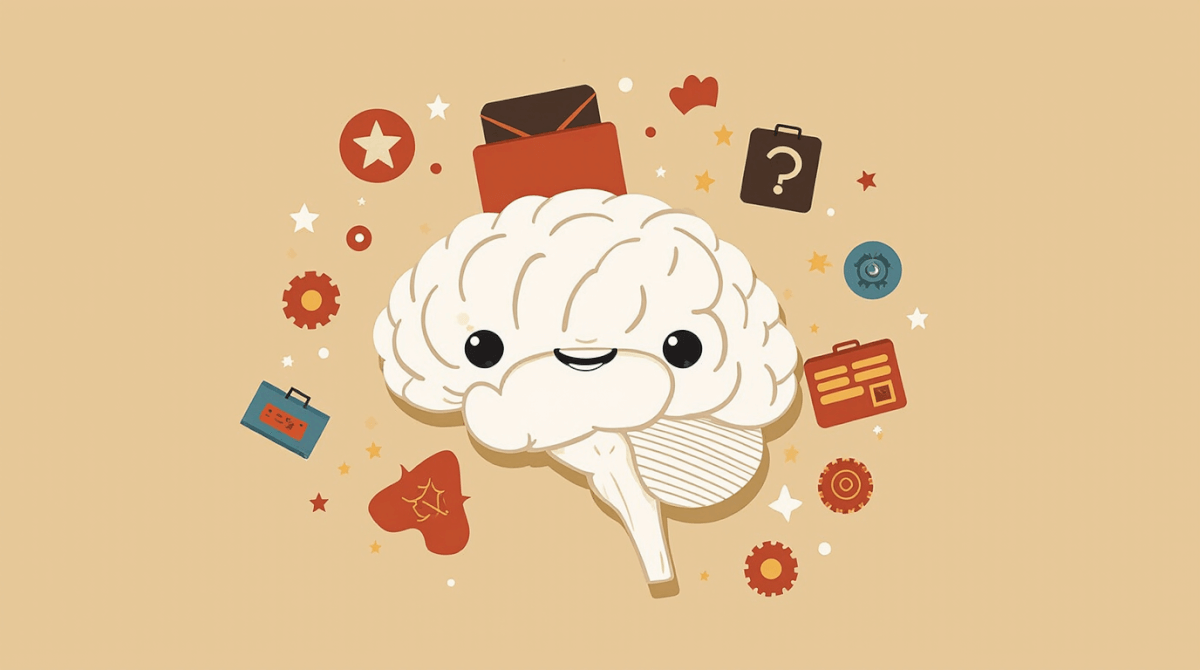
Memory, a cornerstone of personal identity, weaves through the fabric of our daily lives, shaping who we are and how we perceive the world around us. The intricate processes by which memories are formed, stored, and retrieved deeply influence emotional health and personal well-being. Through the lens of psychological, emotional, and social perspectives, this exploration delves into the multifaceted role of memory in constructing a coherent sense of self.
Memory functions as a complex interplay of neural networks and cognitive processes. Each experience, whether vivid or mundane, is transformed into a mental construct that is stored within the brain. This transformation is not merely passive; it involves active engagement with one’s surroundings, integrating new information with existing knowledge. The act of encoding memory is akin to painting a picture in the mind, but this painting evolves over time, as memories are revised and recontextualized.
The process of retrieval, can be as complex as its creation. Memories are not static recordings but dynamic constructs that are continually accessed, modified, and reconstructed with each recall. This means that the way we remember events is influenced by our current emotional state, context, and even our expectations. A memory of a joyful event may be dimmed if one is currently experiencing sadness, highlighting the malleability and fluidity of memory.
Emotional health and personal well-being are inextricably linked to memory processes. Emotions not only shape how we encode memories but also play a crucial role in their retrieval and impact on our daily lives. Positive emotions can enhance memory consolidation, making it easier to recall pleasant experiences. Negative emotions can interfere with the formation of new memories or distort existing ones, leading to a biased perception of past events. This emotional coloring can create a lens through which one views the world, influencing decisions, relationships, and overall outlook.
The role of memory in shaping personal identity is particularly profound. Identity is not a static concept but a dynamic narrative that evolves with time and experiences. Memories act as building blocks, constructing a narrative of self. The more significant or impactful an event, the stronger its influence on one’s identity. A traumatic experience might shape an individual’s sense of self, influencing their views on safety, trust, and vulnerability. Positive memories can foster resilience and a sense of security, contributing to a more stable and fulfilling life.
Social interactions further complicate the interplay between memory and personal identity. Shared memories serve as a bridge between individuals, fostering connections and a sense of belonging. These collective memories create a shared narrative that binds people together, reinforcing social bonds and cultural identities. Individual memories can also diverge from these collective narratives, leading to conflicts or misunderstandings. Discrepancies in memory, whether due to differing perspectives or the distortion of shared experiences over time, can strain relationships and challenge the very fabric of social cohesion.
The psychological impact of memory is not limited to personal identity but extends to broader social dynamics. The way individuals perceive their own past and the narratives they construct can influence their behavior, attitudes, and interactions with others. An individual who has a positive view of their past may approach challenges with greater confidence and resilience, whereas someone with a more negative narrative might struggle with self-doubt and anxiety.
Memory plays a critical role in emotional regulation. The ability to reflect on past experiences can provide perspective, offering emotional relief or insight into current feelings. Recalling a time when one successfully overcame a challenge can boost confidence during difficult times. This process is not always straightforward. Traumatic memories, can be reactivated involuntarily, causing distress and impacting emotional well-being.
The fluidity of memory also has implications for mental health. The capacity to change or distort memories can be both a blessing and a curse. Cognitive techniques such as mindfulness and therapy can help individuals reframe negative memories, leading to improved emotional health. The ability to selectively forget or alter memories can also contribute to psychological disorders such as dissociative identity disorder, where multiple identities are constructed based on fragmented and distorted memories.
Memory is a vital component of personal identity, influencing how we perceive ourselves, others, and the world. Its role extends beyond mere recall; it shapes our emotional responses, social interactions, and overall well-being. Understanding the complex interplay between memory and personal identity offers valuable insights into the human experience, highlighting the intricate and dynamic nature of human cognition and emotion. By recognizing the multifaceted nature of memory, we can gain a deeper appreciation for the richness and complexity of the human condition.