
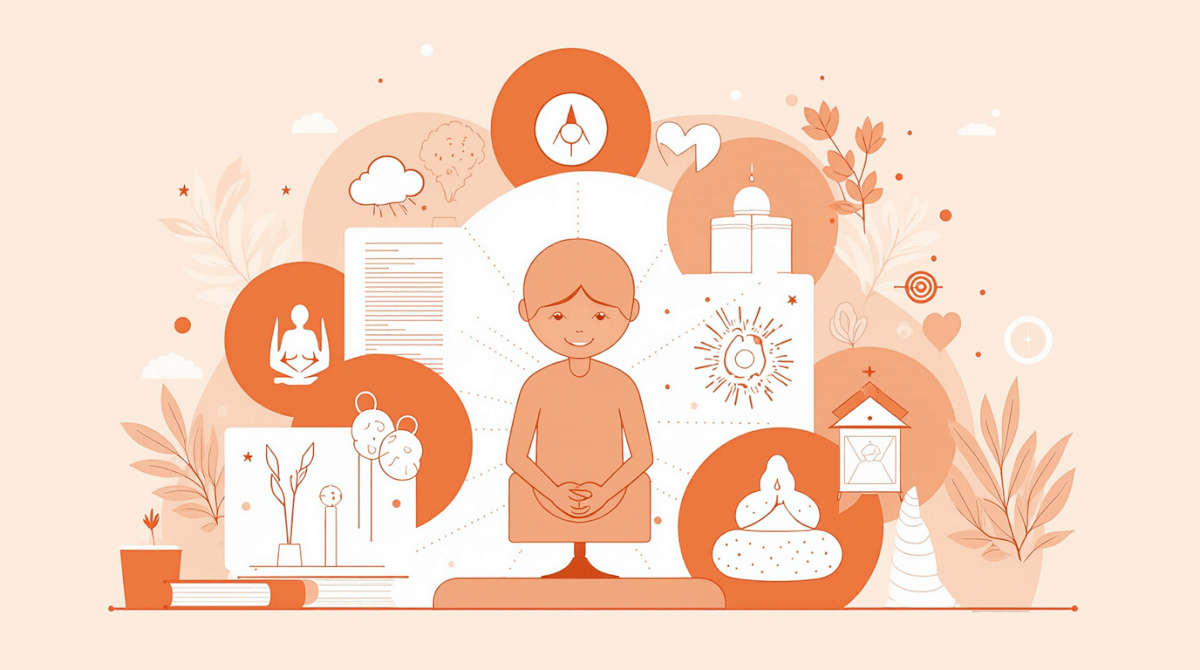
In the quiet moments when we are alone with our thoughts, an inner stillness can emerge—a space where the chaos of the world quiets and allows us to make decisions more authentically aligned with our true selves. This stillness is not merely a pause between actions but a profound state of awareness that invites deeper contemplation and reflection. It is in these quiet times that we often find clarity, allowing us to navigate life’s complexities with greater ease and purpose.
Inner stillness is a personal journey towards understanding one’s inner self, an exploration of the depths within. It allows us to peel back layers of habitual thoughts and behaviors, revealing underlying values and beliefs that guide our actions. This introspective practice can lead to decisions that are not just practical but also spiritually fulfilling, as they align more closely with our core sense of purpose and meaning.
The significance of inner stillness in decision-making cannot be overstated. It enables us to make choices based on what feels right rather than merely reacting to external stimuli. In the midst of daily life’s noise—whether it is professional pressures, social expectations, or personal challenges—the ability to find this stillness becomes crucial. It allows us to pause and reflect, often leading to better outcomes because we are making decisions from a place of inner peace rather than turmoil.
For many, spirituality emerges as an essential component in fostering such inner stillness. Spirituality is not confined to organized religions but can be found within the human experience itself. It represents a search for meaning, transcendence, or depth that goes beyond the material world. Spirituality often involves practices like meditation, journaling, or simply spending time in nature, all of which help us connect with our inner selves and gain clarity.
The connection between spirituality and inner stillness is evident when we consider moments of uncertainty. These can be challenging, as they often involve a tension between certainty and uncertainty. In such times, it becomes particularly important to find that quiet space within ourselves. During these moments, we might doubt whether the decisions we make are correct or if we have enough information to act. Inner stillness provides an opportunity to listen to our intuition and align with our true intentions.
Surrender is another key concept in this context. It involves letting go of the need for control and embracing a state of acceptance. This can be particularly challenging as humans tend to feel more comfortable when they are exerting some level of influence over their environment. By surrendering to the present moment and allowing ourselves to experience it fully, we can find greater peace and clarity in our decisions.
Trust plays an integral role in this process. Trust not only in external circumstances but also in one’s own inner guidance. This trust is often tested during times of doubt or uncertainty. Doubt can be a powerful force that either paralyzes us or propels us forward. Embracing doubt as part of the decision-making process allows us to explore various options more deeply and make decisions that feel right, even if they are not always easy.
The value of inner stillness is also evident in how it shapes our sense of self. It provides a space for reflection and personal growth, allowing us to understand our values better and align them with our actions. This alignment can lead to a more coherent life, where our decisions resonate on multiple levels—emotional, intellectual, and spiritual.
The role of inner stillness in decision-making is profound and transformative. It invites us into a deeper understanding of ourselves and our place in the world. By embracing this practice, we not only make better choices but also enrich our lives with greater meaning and purpose. As we navigate the complexities of life, cultivating inner stillness can be a powerful tool for personal growth and spiritual fulfillment.
To explore the broader framework behind this topic, read
Living Your Beliefs: When Faith and Spiritual Awareness Meet Daily Life.



Be First to Comment