At the heart of this process is the concept of correction, which serves as a crucial component in fostering a child’s ability to navigate the complexities of social norms and ethical behavior. In its most effective form, correction is not a punishment or a source of shame but an opportunity for growth and understanding. When parents provide corrections in a supportive and empathetic manner, they create an environment where children feel safe to explore their emotions and thoughts without fear of rejection or condemnation.
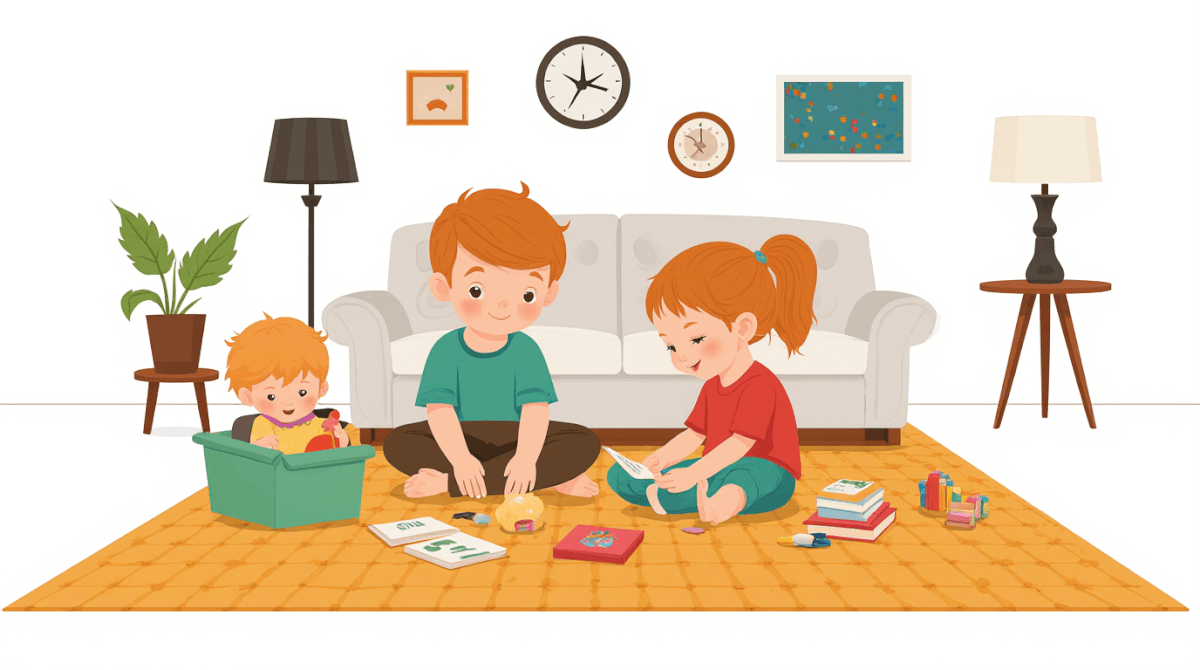
Consider a scenario where a young child, perhaps around three years old, drops a toy carelessly on the floor, creating a small mess. If the parent responds with warmth and understanding, saying, “Oh, that’s okay. Let’s clean it up together,” they are offering more than just a physical solution to the problem; they are also teaching the child about responsibility and the importance of considering the impact of one’s actions on the environment and others. This interaction is a cornerstone in the child’s developing sense of self-regulation and emotional security. The child begins to internalize the value of order and consideration, laying a foundation for more complex moral reasoning.
The effectiveness of correction lies in its ability to promote a sense of self-worth and confidence. When children are corrected in such a way that they feel understood and supported, they are more likely to internalize the message of the correction. This process, often referred to as “moral scaffolding,” builds upon the child’s existing emotional security. When a child receives a gentle reminder to share their toys with a friend who is crying, they learn not only that sharing is important but also that their actions can have a positive impact on others. This internalization of shared values enhances their confidence in making ethical choices.
Identity formation is another critical aspect of moral development that is intricately linked with the role of correction. As children experience repeated corrections and support from their caregivers, they begin to develop a coherent sense of self that is informed by these interactions. When a child consistently receives praise for being honest, they are more likely to internalize the value of truth-telling as an integral part of who they are. This process of integrating moral values into one’s identity is not static; it evolves over time, reflecting the cumulative effect of repeated corrections and the broader cultural context in which the child is embedded.
Self-regulation, a key component of moral development, also benefits significantly from the practice of correction. Through consistent and supportive corrections, children learn to control their impulses and regulate their behavior in accordance with social norms. When a young child exhibits disruptive behavior during a family gathering, a parent who takes the time to explain why certain behaviors are not appropriate and offers guidance on more acceptable alternatives, is helping the child develop self-regulatory skills. This process is particularly important as children encounter increasingly complex social situations, requiring them to navigate various moral dilemmas.
The role of correction in moral formation is not without its complexities. There is a delicate balance between providing necessary corrections and avoiding overprotection, which can stifle a child’s growth. Overprotective parents might correct their children too frequently or too harshly, potentially leading to feelings of inadequacy and fear of making mistakes. A lack of correction can result in a child’s developing a distorted sense of reality, where they do not fully understand the consequences of their actions. Finding this balance is crucial for healthy moral development.
Consider a scenario where a child consistently fails to clean up their room. If the parent provides frequent and harsh corrections without understanding the underlying reasons for the behavior, the child might feel overwhelmed and anxious. If the parent offers support and guidance, recognizing that the child may need more time or help to develop this skill, the child is more likely to internalize the value of responsibility. This approach not only promotes self-regulation but also fosters a sense of security and confidence.
The role of correction in moral formation extends beyond the immediate family. Cultural and social contexts play a significant role in shaping a child’s understanding of morality. As children interact with peers and broader society, they are exposed to different perspectives and values that can either reinforce or challenge their internalized beliefs. When a child sees their parents and other adults engaging in kind and considerate behavior, they are more likely to internalize these values as part of their identity. Exposure to unethical behavior can lead to moral confusion, highlighting the importance of consistent and supportive corrections.
The cumulative effect of repeated corrections over time is profound. As children grow and encounter new challenges, the lessons learned from these interactions become a part of their decision-making process. When faced with a moral dilemma in school or social settings, a child who has consistently received support and guidance from their parents is more likely to make ethical choices based on a well-developed sense of right and wrong.
The role of correction in moral formation is a multifaceted and dynamic process that shapes a child’s emotional security, confidence, identity, and self-regulation. By providing corrections in a supportive and understanding manner, parents play a vital role in fostering a child’s ability to navigate the complexities of social norms and ethical behavior. The internalization of these values through repeated interactions creates a foundation for moral development that is both enduring and adaptable. As children grow, they carry with them the lessons learned from these corrections, shaping their character and guiding their actions in the world around them.