
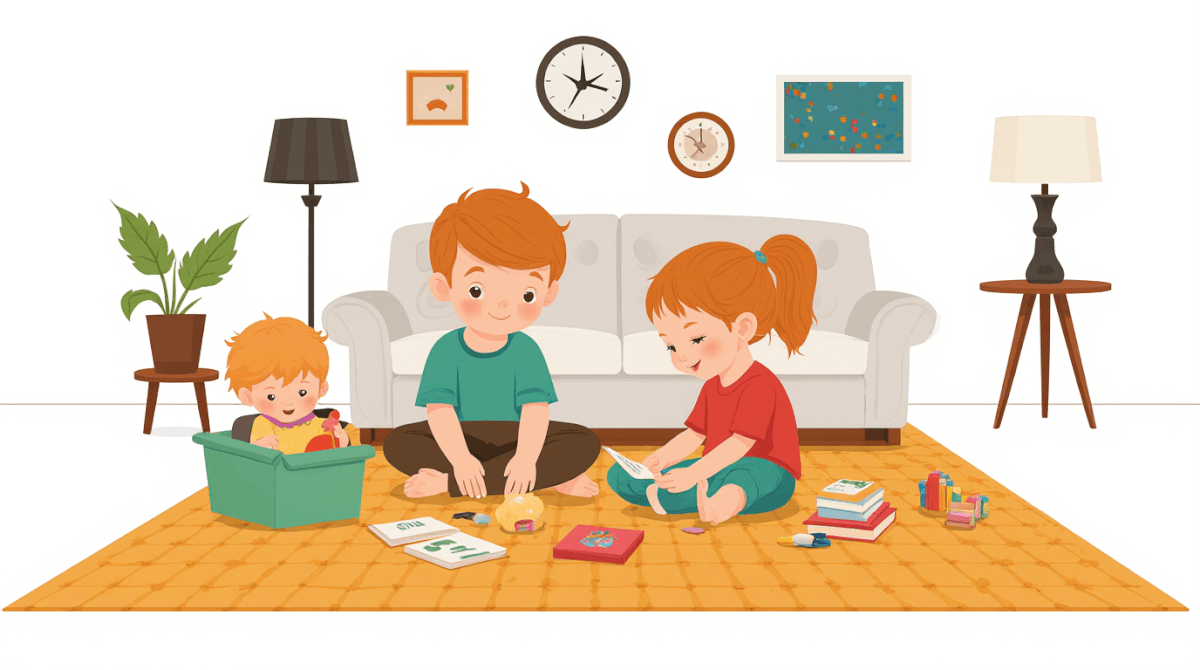
Consistency plays a pivotal role in building self-respect, serving as a cornerstone for personal development. When individuals experience a stable and predictable environment where their efforts are recognized and rewarded regularly, they begin to internalize these experiences, fostering a sense of worth and confidence. This mechanism operates through repeated positive reinforcement, enabling individuals to recognize their own capabilities and value, thus contributing significantly to the formation of self-respect.
The concept of consistency is deeply intertwined with the foundational elements of early development. During childhood, children form their earliest impressions of themselves based on how adults interact with them. A child who consistently receives praise for effort rather than outcome will develop a mindset that values persistence and personal growth over mere success or failure. This mindset is crucial in building self-respect because it allows the individual to appreciate their own efforts and progress, even when external validation is lacking.
The influence of consistency on self-respect can be understood through three primary mechanisms: predictability, reliability, and stability. Predictability refers to the regularity with which certain events or actions occur within an individual’s life. If a child consistently experiences the same reaction from their parents for completing homework, they begin to associate effort with positive outcomes. Over time, this association becomes internalized, reinforcing the belief that their actions matter and are valued.
Reliability is another critical aspect of consistency. It involves the regularity and dependability of feedback and support from others. A child who consistently receives encouragement and recognition for their efforts, regardless of the outcome, learns to trust that their contributions are meaningful. This sense of reliability fosters a secure base from which children can explore and grow, knowing that they will be supported even when challenges arise.
Stability is perhaps the most profound element of consistency in building self-respect. It refers to the long-term, enduring nature of positive experiences and supportive environments. If a child consistently receives love, care, and guidance from their family or caregivers over several years, they develop a stable sense of self-worth that can withstand temporary setbacks. This stability is crucial because it provides a foundation upon which individuals can build more complex aspects of their identity.
The environment plays a significant role in shaping these mechanisms. Homes where children are consistently shown respect and value, through actions such as listening to their ideas or acknowledging their feelings, create an atmosphere that nurtures self-respect. In schools, teachers who consistently provide constructive feedback and encouragement can help students develop a positive sense of themselves as capable learners. Such environments foster the internalization of messages about one’s worth, leading to increased self-esteem.
Early experiences further influence this process by embedding patterns of behavior and thought that persist into adulthood. Children who grow up in households where family members consistently communicate their value through actions like spending quality time together or offering help when needed develop a stronger foundation for self-respect. Environments characterized by inconsistency, such as those with unpredictable parental behaviors or inconsistent rules, can lead to confusion and uncertainty about one’s own worth.
The role of consistency in building self-respect extends beyond the family and school settings into broader social contexts. Peer relationships that are consistent in their support and affirmation also play a crucial role. Friends who consistently offer encouragement and acceptance contribute significantly to an individual’s self-respect. A child who regularly plays with a group of friends who value honesty, kindness, and resilience is likely to internalize these qualities as part of their identity.
The mechanism through which consistency builds self-respect operates on multiple levels—predictability, reliability, and stability. These mechanisms are deeply influenced by the social, cultural, and relational contexts in which individuals develop. By creating environments where children consistently receive positive reinforcement for their efforts, adults can help foster a sense of worth that is intrinsic and enduring. This process not only enhances individual well-being but also contributes to healthier societal interactions based on mutual respect and understanding.
In summary, consistency acts as a powerful tool in the development of self-respect, shaping individuals’ perceptions of themselves through predictable, reliable, and stable environments. By recognizing this mechanism, society can work towards creating more supportive and nurturing spaces for all children, ultimately contributing to their holistic growth and well-being.
Related Reading
– Daniel J. Siegel — The Whole-Brain Child
– Alison Gopnik — The Philosophical Baby


Be First to Comment