
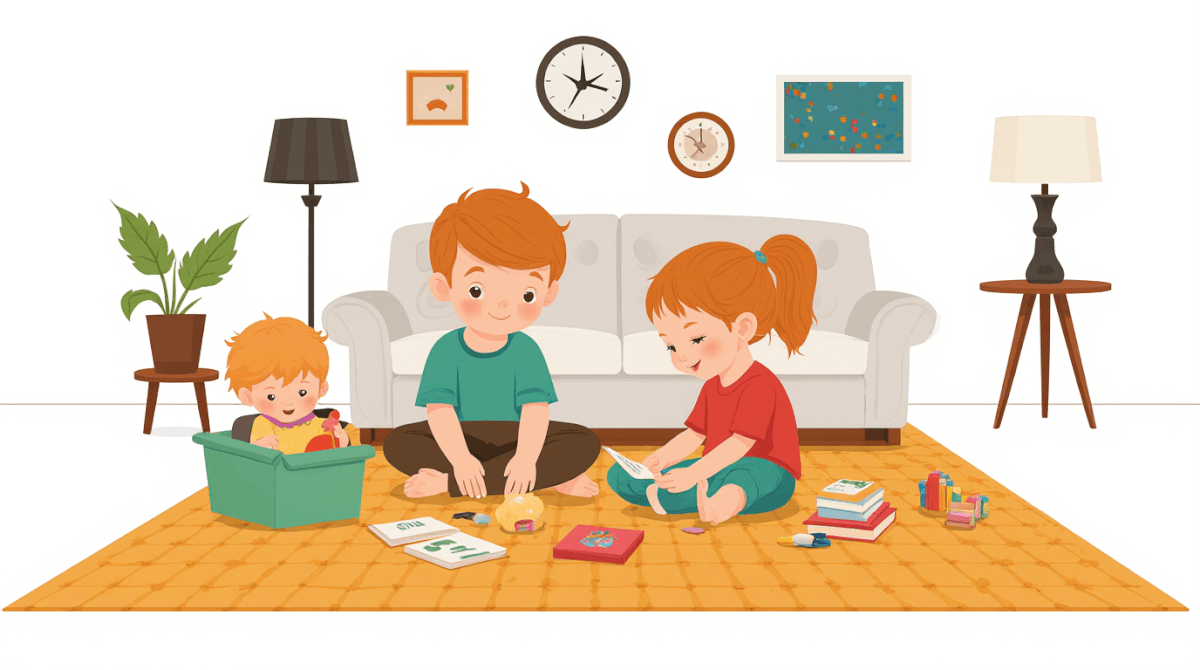
The quiet influence of early emotional support can be likened to the gentle breeze that nurtures a budding flower, providing essential conditions for its growth and well-being. This support, often subtle yet profound, significantly impacts an individual’s development by shaping their emotional resilience, social competence, and overall mental health. By examining how this early environment influences cognitive and behavioral patterns, we can better understand why the quiet presence of supportive caregivers is so crucial during a child’s formative years.
From birth onwards, infants are highly sensitive to the emotional cues from their primary caregivers. When a baby cries or shows signs of distress, a responsive caregiver quickly offers comfort—perhaps by holding them close, soothing with words, or providing a gentle hug. This interaction not only calms the infant but also reinforces a sense of security and trust in the world around them. Over time, such interactions lay down neural pathways that link emotions to physical sensations of safety and contentment. These pathways become integral parts of an individual’s emotional architecture, influencing how they process and respond to future emotional stimuli.
One key mechanism through which early emotional support shapes development is through the establishment of a secure attachment style. Securely attached children learn to trust their caregivers and feel confident exploring their environment. This exploratory behavior fosters cognitive flexibility, allowing them to navigate new experiences with curiosity rather than fear or anxiety. When a securely attached child encounters a novel toy, they are more likely to investigate it playfully, using their caregiver as a secure base from which to venture forth.
Children who experience less emotional support during early development may develop an insecure attachment style. These children might become overly anxious and dependent on caregivers or alternatively, display ambivalence towards them—showing both closeness and distance in unpredictable ways. Such patterns can lead to difficulties in social interactions later in life, as these individuals may struggle with trust and intimacy.
The impact of early emotional support extends beyond just immediate caregiving situations. It influences broader aspects of a child’s psychological development by shaping their ability to manage emotions effectively. Children who receive consistent emotional support are better equipped to regulate their feelings when faced with challenging situations. They can identify, label, and express their emotions constructively rather than reacting impulsively or suppressively. This emotional regulation is crucial for academic success and social harmony, as it enables individuals to communicate their needs effectively, resolve conflicts amicably, and maintain positive relationships.
The quiet influence of early emotional support plays a vital role in shaping cognitive development. A nurturing environment that provides consistent emotional validation encourages children to engage actively with their surroundings. This engagement promotes curiosity and a love for learning, which are fundamental for intellectual growth. When a child feels supported by their caregiver while exploring new concepts or ideas, they are more likely to persist in the face of challenges. This persistence leads to better academic outcomes and higher levels of motivation throughout life.
The long-term benefits of early emotional support also extend into adulthood, influencing mental health and overall well-being. Individuals who experienced consistent emotional support during childhood tend to exhibit greater resilience in handling stress and adversity. They are more likely to form secure and fulfilling relationships as adults because they have internalized a sense of trust and safety that bolsters their ability to connect with others on an emotional level.
The quiet influence of early emotional support is a powerful force in shaping development. It establishes foundational elements of emotional resilience, social competence, and cognitive flexibility that resonate throughout one’s life. While this support may seem subtle at first glance, its cumulative impact is profound, underscoring the importance of nurturing environments during critical periods of growth. By recognizing and valuing these quiet influences, we can better foster healthy development in children and ensure a brighter future for generations to come.
References:
Ainsworth, M. D. S., Blehar, M. C., Waters, E., & Wall, S. (1978). Patterns of attachment: A psychological study of the strange situation. Hillsdale, NJ: Erlbaum.
Gross, J. J. (2007). Emotion regulation: Conceptual foundations. In Handbook of emotion regulation (pp. 3-24). New York: Guilford Press.
Related Reading
– Mary Ainsworth — Patterns of Attachment
– John Bowlby — Attachment and Loss



Be First to Comment