
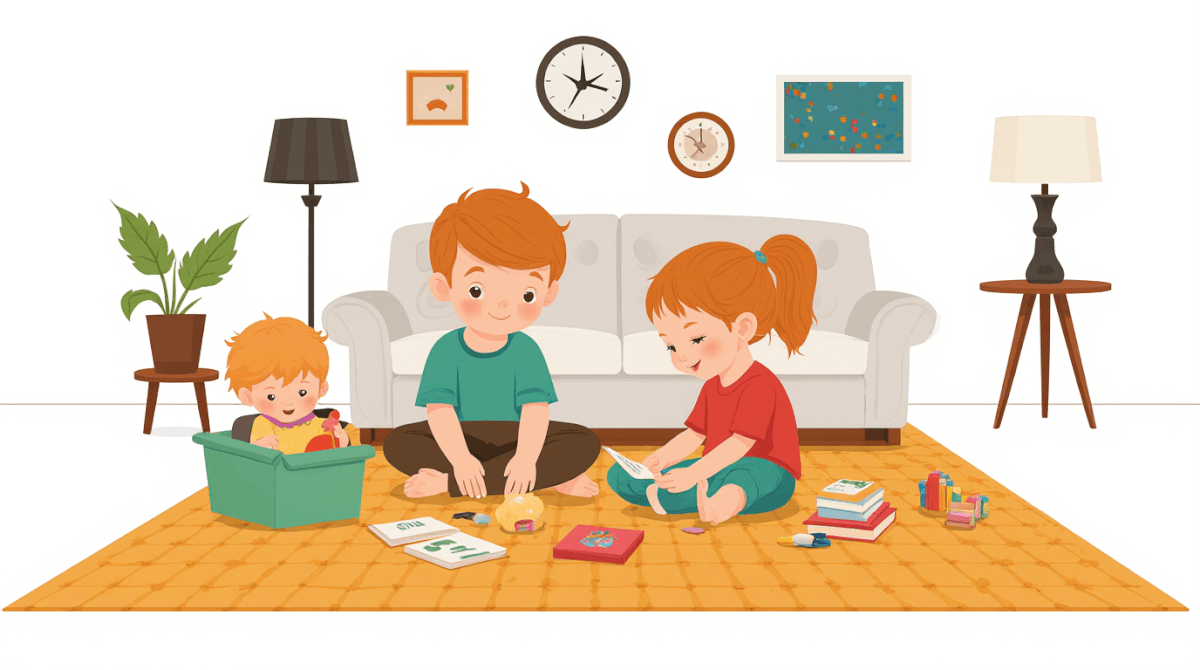
At its core, emotional security is the cornerstone upon which all other psychological constructs are built. It is the feeling that the world is safe and predictable, even when unexpected events occur. This security is often derived from the consistent and reliable responses of caregivers during infancy. A baby who is consistently fed, comforted, and held in a nurturing manner learns to trust that their needs will be met. This trust extends beyond physical needs; it encompasses emotional needs as well. When a child perceives their caregivers as dependable, they are more likely to develop a secure base from which to explore the world, both literally and metaphorically.
Emotional security is not merely an absence of fear but also the presence of comfort and safety. It fosters a sense of belonging and acceptance, which in turn supports the development of confidence. A child who feels secure in their environment can take risks and make mistakes without fear of catastrophic consequences. This freedom to explore and experiment is crucial for developing self-esteem and a positive self-image. When children are encouraged to try new things and given the space to fail and learn from their experiences, they begin to internalize a sense of competence and self-worth. This confidence grows as they encounter success and overcome challenges, reinforcing their belief in their own abilities.
Identity development is another critical aspect shaped by these early interactions. Children start to form a sense of self through the reflections and feedback they receive from caregivers. When parents actively engage with their children, listening to their thoughts and feelings, and validating their experiences, children begin to understand who they are as individuals. This process is not linear; it involves trial and error, exploration, and reflection. When a child expresses frustration at not being able to reach a toy on a high shelf, a parent might gently guide them or provide a stool to help them succeed. Such interactions teach children that their actions have consequences and that they can influence their environment. Over time, these experiences contribute to the formation of a coherent sense of self.
The psychological foundation of discipline is closely intertwined with these aspects of emotional security, confidence, and identity. Discipline, in this context, does not mean punishment or obedience; rather, it refers to the internalized ability to regulate one’s behavior in accordance with societal norms and personal values. This self-regulation begins with the capacity for self-control, which is closely linked to emotional regulation. Children who have experienced a secure and nurturing environment are more likely to develop a sense of calm and stability, even when faced with challenging situations. When a child experiences frustration during playtime, a caregiver who remains patient and helps them find alternative solutions can teach them how to manage their emotions effectively.
Self-regulation also involves the ability to delay gratification, which is crucial for future success. Children who learn to wait for their turn or to save their favorite toy for later develop patience and foresight. These skills are not innate; they are developed through repeated experiences where caregivers model appropriate behavior and offer guidance when needed. If a child wants to interrupt during a conversation, a parent might gently remind them of the importance of listening and waiting for their turn to speak. Over time, this training helps children internalize these behaviors as natural responses to social situations.
It is important to note that while emotional security, confidence, and identity provide a solid foundation for self-regulation, tension can arise when these constructs are not balanced. Overprotection, can hinder a child’s ability to develop confidence and independence. If a caregiver constantly shields a child from challenges or failure, the child may never fully internalize their capabilities. This can lead to a reluctance to take risks or try new things, ultimately undermining their self-regulatory skills. A lack of emotional support can result in children who are overly reliant on external validation and struggle with internalizing their values.
The interplay between these psychological constructs is dynamic and evolves over time. As children grow, the ways in which they are disciplined and supported by caregivers become more sophisticated. A toddler might be held physically to comfort them when upset, while an older child might be given verbal reassurances or guided through problem-solving strategies. These nuanced approaches reflect the changing needs of the child and the caregiver’s evolving understanding of their role.
The psychological foundation of discipline emerges from a complex interplay of emotional security, confidence, identity, and self-regulation. These constructs are not static but evolve through everyday interactions, often unnoticed by those involved. By recognizing the importance of these foundational aspects, parents and caregivers can better support children in developing the skills necessary for a fulfilling life. The journey from infancy to early childhood is marked by a gradual accumulation of experiences that shape a child’s internal world, creating a psychological landscape that influences their behavior, emotions, and interactions with the world around them.



