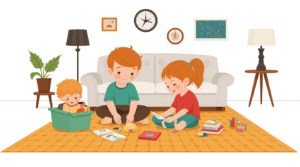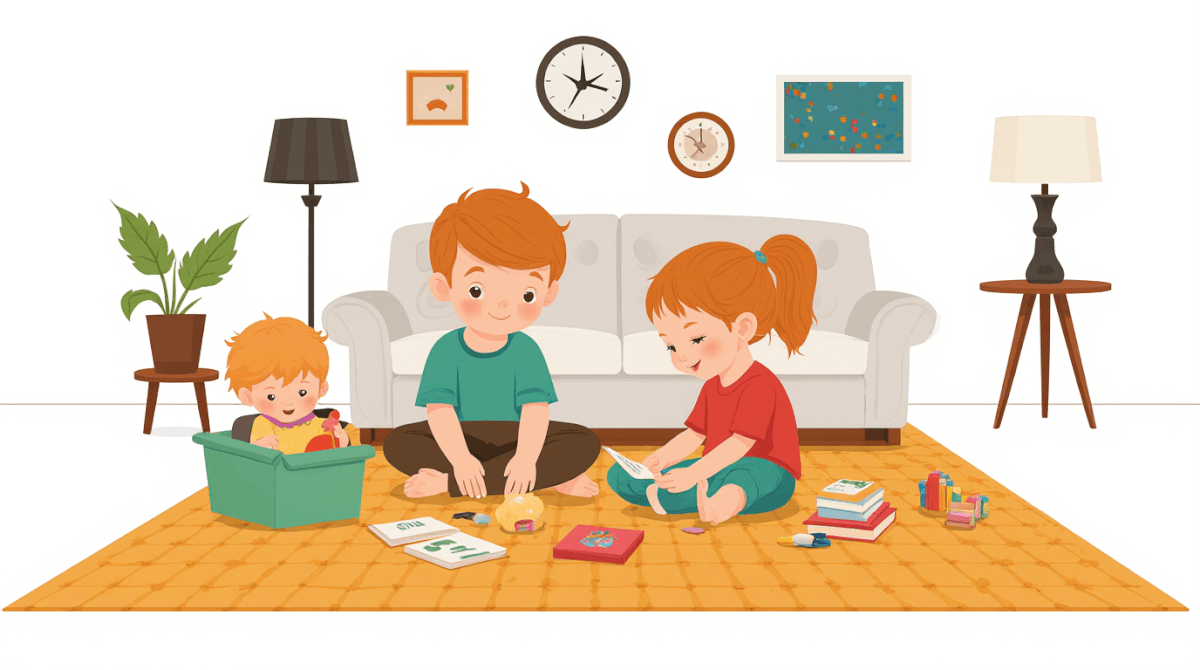
In the heart of every home, there lies a world of emotions, behaviors, and mindsets that shape a child’s journey into adulthood. These are not just empty rooms filled with toys and books; they are vibrant landscapes where daily interactions, both big and small, sow the seeds of emotional and psychological growth.
Affection, in its many forms—hugs, cuddles, words of encouragement—is like the sun for a budding flower. When a child feels loved, they begin to understand that they are valued and important. This sense of security forms a strong foundation upon which their self-confidence can grow. A child who knows they will be loved and cared for, no matter what, is more likely to take risks, make friends, and explore the world around them. When I was a child, my parents always made sure to check in with me after school. Their warm embrace and gentle inquiries about my day filled me with a sense of belonging that bolstered my self-esteem.
Consistency, too, is a cornerstone in this nurturing process. It’s like having a predictable rhythm in a piece of music; it provides the framework within which a child can flourish. Regular routines—like bedtime stories, family dinners, or weekend outings—help children understand what to expect and how to manage their emotions. Every evening we would gather as a family for a quick game before settling down to read our books. This routine became a ritual that not only brought us closer but also taught me the value of patience and anticipation.
Support, whether from parents or siblings, is another critical element. It’s like having a safety net that allows a child to try new things without fear of falling. When children feel supported, they are more likely to take on challenges and learn from their experiences. Whether it’s helping them with homework, cheering them on during sports, or simply lending an ear, this kind of support can be incredibly empowering. I still remember the time my brother was practicing for his school play. He was nervous about his lines, but our parents were there, gently encouraging him and offering constructive feedback. That small act of support gave him the confidence to shine on stage.
Structure, in terms of rules and guidelines, provides a sense of order and predictability that helps children understand boundaries and consequences. It’s like teaching them the rules of a game before they start playing. When parents set clear expectations and follow through with consistent discipline, children learn how to navigate social norms and make responsible choices. Our family had a rule about cleaning up toys before dinner. Adhering to this routine taught me responsibility and the importance of following through on commitments.
In all these ways, the everyday interactions within a family contribute to a child’s emotional and psychological development. Affection, consistency, support, and structure work together to create an environment that fosters confidence, emotional regulation, and a sense of safety. A child who feels loved and supported learns to trust their own emotions and to navigate the world with greater ease.
Reflecting on my own experiences, I realize how much of who I am today is shaped by these simple yet profound interactions. The warmth and care from my family have instilled in me a sense of security and confidence that has carried through to adulthood. It’s a reminder that the most significant changes often come not from grand gestures but from the countless small acts of love, support, and guidance that make up our daily lives.
As we continue to raise our children, let us remember that every hug, every conversation, and every routine is an opportunity to nurture their emotional and psychological well-being. In doing so, we are not just shaping them; we are planting the seeds of a future where they will be confident, compassionate, and resilient adults.