
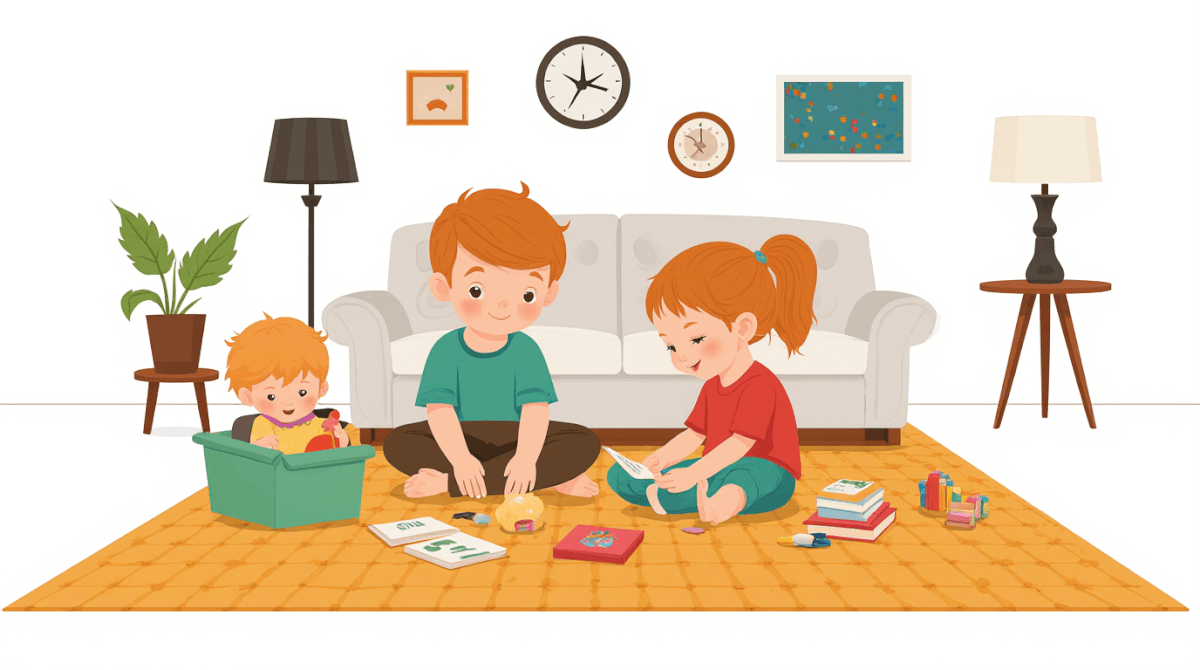
Gentle correction during early years is a powerful mechanism that significantly influences the development of a child’s social and emotional skills. By providing feedback through gentle guidance rather than harsh criticism, caregivers can shape how children perceive themselves and others, fostering resilience and self-regulation from an early age. This approach involves subtle adjustments in behavior or thought processes without causing distress or shame. When a young child is playing with toys and starts to misplace them, a gentle reminder to place the items back in their rightful spot can encourage responsibility and orderliness.
The environment and early experiences play a crucial role in this process. In homes where parents use gentle correction, children tend to develop stronger emotional regulation skills. When a child feels upset about not being able to solve a puzzle, a parent using gentle guidance might help the child break down the problem into smaller parts or offer encouragement without criticism. This nurturing environment allows children to explore and make mistakes while feeling supported.
Social interactions are another key factor in this development process. During playdates, if a child engages in behavior that could potentially hurt their friend, a gentle approach would involve the caregiver helping both children understand the impact of actions and finding a resolution together. This interaction not only teaches empathy but also helps in developing negotiation skills. Such experiences can lead to healthier relationships as children grow older.
The mechanism behind gentle correction involves several steps. First, it requires setting clear boundaries and expectations while maintaining an atmosphere of trust and warmth. When teaching a child about sharing toys, a parent might explain the importance of sharing by using simple terms like “it’s nice to share with friends.” This explanation sets a positive context for the behavior. Second, gentle correction involves providing immediate feedback that is specific and constructive rather than vague or overly harsh. When a toddler struggles to put on their shoes, a parent can say, “Let’s try putting one foot in at a time,” rather than yelling, “You’re not doing it right!” This approach acknowledges the effort and guides them toward improvement.
Third, gentle correction often includes using positive reinforcement. Praising good behavior or offering small rewards for following rules can encourage children to repeat these actions. If a child cleans up their toys without being asked, they might receive a sticker on their chart as a form of encouragement. This recognition reinforces the desired behavior and creates a sense of accomplishment.
Fourth, it involves consistent application across different settings. Whether at home or in school, gentle correction should be applied consistently to maintain its effectiveness. If a child misbehaves during a classroom activity, a teacher might gently remind them about class rules and provide positive feedback for future good behavior.
Culturally, the power of gentle correction can vary. In many cultures, there is an emphasis on collective responsibility and communal support, which can influence how children are corrected. In collectivist societies, parents may correct their child’s behavior through group discussion rather than individual scolding to maintain social harmony. In more individualistic cultures, there might be a tendency towards stricter, more direct forms of correction.
The impact of gentle correction on emotional development is profound. By avoiding negative reinforcement or punishment, children are less likely to experience feelings of shame or failure. If a child fails to recite their alphabet correctly during storytime, a gentle reminder that it’s okay to learn at one’s own pace can boost confidence and reduce anxiety. This approach helps in building resilience as they face future challenges with a more positive outlook.
The use of gentle correction fosters empathy and understanding. When children are corrected gently, they begin to recognize the effects their actions have on others, leading to more considerate behavior. If a child accidentally spills juice, a parent might say, “Oh no, that’s okay! Let’s clean this up together.” This response not only addresses the situation but also teaches responsibility and compassion.
Gentle correction during early years is a powerful mechanism that shapes social and emotional development by providing supportive feedback. Through clear boundaries, constructive guidance, positive reinforcement, and consistency, parents and caregivers can foster resilience, self-regulation, and empathy in children. By maintaining an environment of trust and warmth, they help create a foundation for healthy relationships and personal growth throughout life.
Related Reading
– Jean Piaget — The Psychology of the Child
– Alice Miller — The Drama of the Gifted Child




Be First to Comment