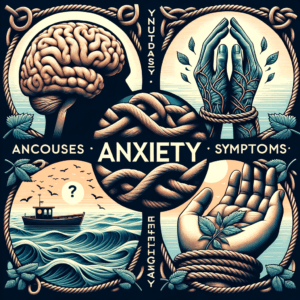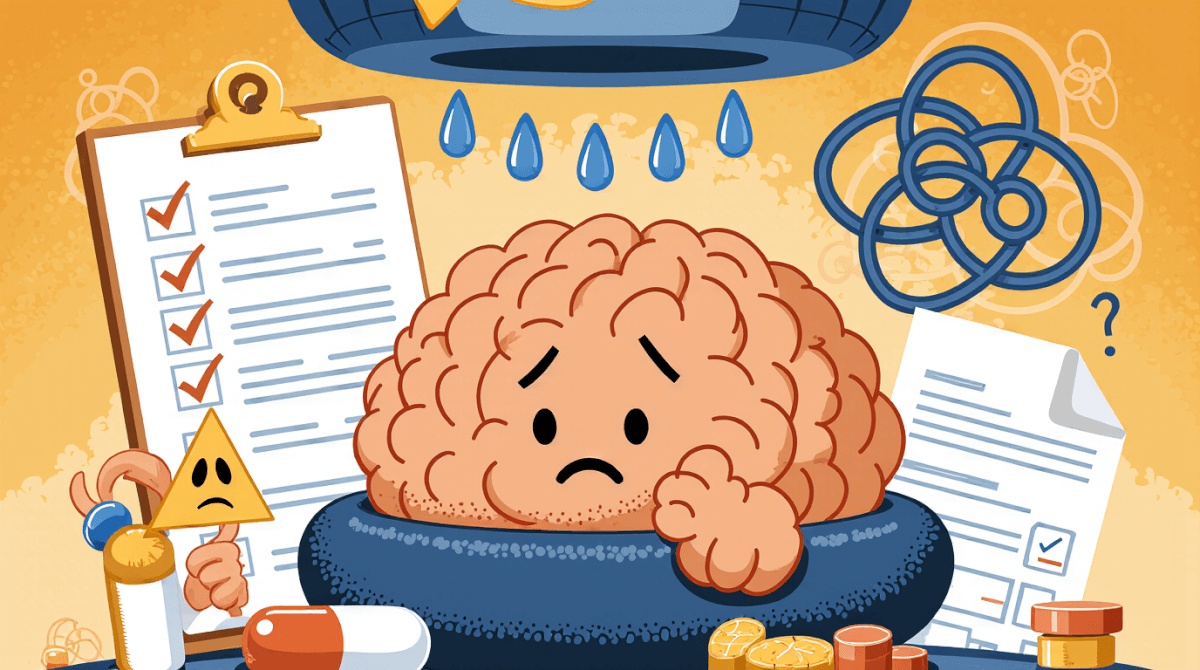
Uncertainty can be a relentless presence, casting its long shadow over daily life and mental health. It seeps into every nook and cranny, making once familiar paths seem unfamiliar and unpredictable. This constant state of ambiguity can lead to a profound sense of mental strain, often manifesting as a persistent feeling of unease or worry that lingers even when there are no concrete threats or issues at hand.
At the heart of this strain lies the psychological concept of cognitive overload. When faced with uncertainty, the mind is forced to process an overwhelming amount of information, much like a computer struggling to handle too many open applications simultaneously. The brain’s capacity to focus and make sense of the world becomes diminished. This cognitive fatigue can lead to a state where even minor tasks feel insurmountable, and the simplest decisions require intense mental energy.
Consider the experience of someone caught in a career uncertainty, perhaps during a job search or waiting for a significant promotion. The mind is constantly scanning the horizon, evaluating every piece of information, weighing outcomes, and preparing for potential scenarios. This constant state of vigilance can drain the individual’s mental resources, leaving them feeling exhausted and unprepared to handle other aspects of life.
The impact of uncertainty on well-being extends beyond mere cognitive strain. It can also disrupt emotional stability and social functioning. The unpredictability of outcomes can lead to a pervasive feeling of anxiety, which may surface as hypervigilance or an increased sensitivity to everyday stressors. Someone uncertain about a medical diagnosis might experience heightened anxiety around seemingly benign symptoms, constantly seeking reassurance and avoiding situations that might trigger further worry.
In social contexts, uncertainty can create a sense of disconnection and vulnerability. When individuals are unsure of their position within a relationship or workplace, they may withdraw from social interactions, fearing judgment or rejection. This withdrawal can lead to feelings of isolation and diminished self-esteem, further exacerbating the mental strain. The fear of negative evaluation or the unknown outcomes of social encounters can make even routine social engagements feel daunting.
The mechanisms by which uncertainty exerts its psychological toll are rooted in the brain’s response to threat and novelty. When faced with uncertainty, the brain activates a network of regions associated with emotional regulation and stress response. These areas, including the amygdala and the prefrontal cortex, work in tandem to assess potential threats and prepare the body for action. This heightened state of alertness can be taxing on the brain’s resources, leading to a cycle of constant vigilance that can deplete mental reserves.
The impact of uncertainty is not confined to the immediate present; it can extend into the future, creating a sense of dread or apprehension about what lies ahead. This anticipatory anxiety can be particularly debilitating when faced with significant life transitions, such as starting a new job, moving to a different city, or making major personal decisions. The mind is continually projecting potential outcomes, and each scenario brings its own set of worries, leading to a pervasive state of unease.
The cumulative effect of this mental strain can be profound, manifesting in various ways. For some, the constant processing of uncertain scenarios might lead to a state of emotional exhaustion, where feelings of hopelessness or despair begin to dominate their outlook on life. For others, the strain may result in increased irritability, difficulty concentrating, and a general sense of malaise. These symptoms can be particularly insidious because they are often subtle and may not be immediately recognized as a manifestation of broader psychological issues.
Attention is a critical resource in managing the mental strain of uncertainty. When the mind is constantly engaged in processing uncertain scenarios, there is little left for other important cognitive tasks such as problem-solving, creativity, or rest. This depletion of attentional resources can lead to a state where even minor distractions become significant barriers to productivity and well-being. An individual might find themselves easily distracted by minor notifications or daily disruptions because their mind is already overburdened with uncertain thoughts.
Rest and boundaries play a crucial role in mitigating the mental strain of uncertainty. Just as the body requires sleep to repair and rejuvenate, the mind needs periods of rest to process information and reset its cognitive capacities. In today’s fast-paced world, finding moments of true rest can be challenging. The constant availability of technology and the pressure to remain connected 24/7 make it difficult to escape the mental demands of uncertainty. Boundaries, such as setting specific times for work and leisure, can help create a clearer distinction between productive and restful periods, allowing the mind to recover.
Reflection is another essential practice in managing the mental strain of uncertainty. Taking time to pause and reflect on one’s thoughts and emotions can provide a much-needed break from the constant mental processing required by uncertain situations. This introspection allows for the recognition of patterns and triggers that contribute to anxiety and stress, offering insights into how to better manage these feelings. Mindfulness practices, such as meditation or journaling, can be particularly helpful in cultivating a more grounded and balanced perspective.
The mental strain of uncertainty is a deeply human experience, one that affects not just the mind but also the emotions and social interactions. It underscores the importance of recognizing and addressing the cognitive and emotional demands placed on us by an uncertain world. By acknowledging the need for rest, setting boundaries, and engaging in reflective practices, individuals can better navigate the psychological challenges posed by uncertainty, finding moments of clarity and peace amidst the ongoing uncertainties of life.
Related Reading
– Peter Levine – Waking the Tiger
– Kay Redfield Jamison – An Unquiet Mind