
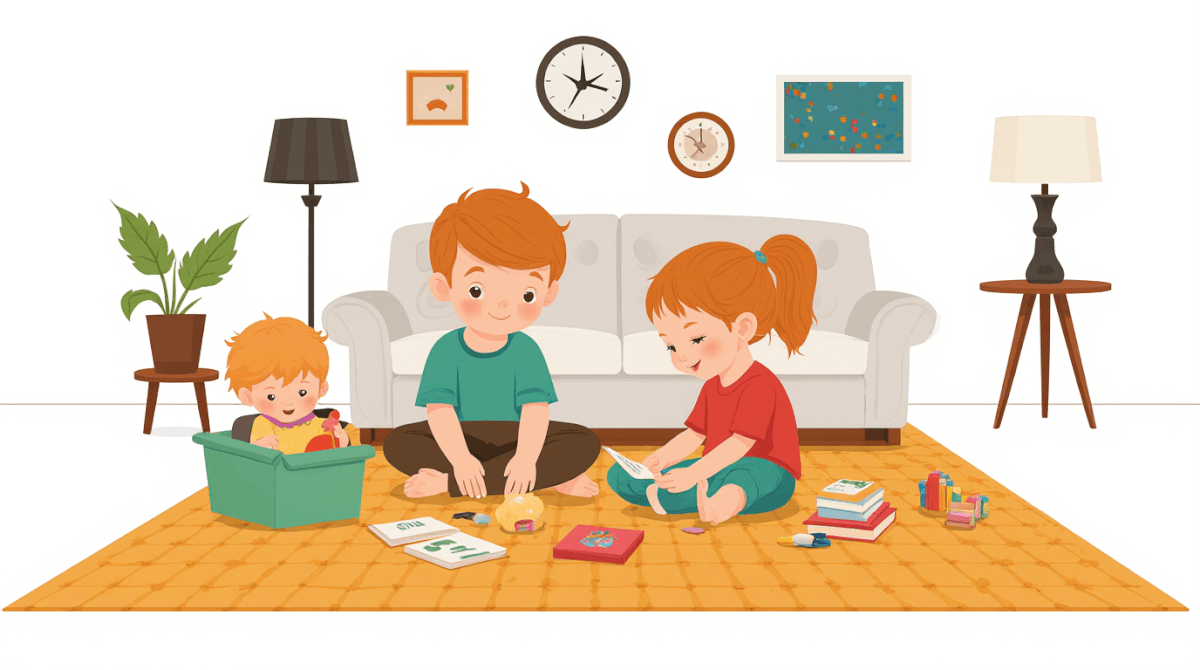
Stability in a child’s life has profound implications for their overall development, influencing cognitive, emotional, and social milestones. Stability can be defined as the consistent presence of positive experiences, routines, and support systems that foster a sense of security and predictability. This essay will explore how stability shapes the developmental process by examining its impact on attachment and emotional regulation in early childhood.
From birth onwards, infants form attachment bonds with caregivers who provide care, comfort, and nurturance. Secure attachments are critical as they lay the foundation for future relationships and emotional well-being. When a child experiences consistent and responsive caregiving, they learn to trust their environment and develop a secure base from which to explore and engage with the world around them. A baby who is frequently held, spoken to, and given soothing responses when distressed tends to develop a more stable sense of self and emotional regulation skills.
The relationship between stability and attachment becomes evident in situations where caregivers are dependable. A stable household environment characterized by routine and consistency enables children to predict their daily experiences, which can significantly enhance their ability to manage emotions effectively. Knowing that dinner is served at the same time every day helps a child understand the flow of activities and anticipate upcoming events. This predictability allows them to handle transitions more smoothly, reducing anxiety and stress levels.
Stability contributes to emotional regulation by providing children with a stable base from which they can learn to navigate their feelings. Emotional regulation refers to the ability to manage one’s emotions in response to internal or external stimuli. Children who experience consistent support and understanding from caregivers are better equipped to identify and label their emotions. When a child expresses frustration about not being able to complete a puzzle, a parent who is stable and patient can help them understand and verbalize their feelings. This process of emotional labeling and expression is crucial for developing effective coping mechanisms.
The impact of stability on attachment also extends to school-aged children and beyond. As children grow older, the stability provided by consistent routines and predictable environments continues to play a vital role in their social-emotional development. Regular attendance at school, participation in extracurricular activities, and maintaining friendships with stable support systems can help adolescents manage stress and build resilience. Disruptions in these patterns—such as frequent moves or changes in caregiver roles—can disrupt the established sense of stability, leading to increased emotional turmoil.
In social contexts, stability allows children to develop a sense of security that is essential for forming positive relationships with peers and adults outside the immediate family. A child who has experienced consistent support from caregivers may be more likely to engage confidently in social situations, understanding boundaries and expectations without fear or anxiety. This social competence can translate into better academic performance, higher self-esteem, and greater overall well-being.
Cultural contexts also play a significant role in shaping the impact of stability on children’s development. Different cultural norms and values can influence how stability is perceived and experienced. Collectivist cultures may emphasize community support over individual autonomy, fostering environments where stability is achieved through group interaction rather than solely familial bonds. Individualistic societies might place more emphasis on personal achievement and independence within stable contexts.
The role of cultural context in understanding the meaning of stability can be illustrated by examining how different communities handle transitions such as moving to a new city or school. In some cultures, strong community ties and collective support systems might offer additional layers of stability beyond familial structures, helping children navigate changes with greater ease. In other contexts, individual resilience may be more highly valued, but the lack of broader social support could lead to increased vulnerability during transitions.
The concept of stability is integral to a child’s development, particularly through its effects on attachment and emotional regulation. A stable environment provides predictability and consistency that enable children to form secure bonds with caregivers, understand and manage their emotions effectively, and build strong social connections. The influence of cultural context further emphasizes the multifaceted nature of stability, highlighting how it can vary in meaning and impact across different societies.
This analysis underscores the importance of recognizing and nurturing stable environments for all children, as this foundational element significantly contributes to their overall well-being and future success. By understanding the profound role that stability plays in shaping early development, society can work towards creating more supportive systems that ensure every child has a chance to thrive.
Related Reading
– Allan Schore — Affect Regulation and the Origin of the Self
– Jonathan Haidt — The Coddling of the American Mind



Be First to Comment