
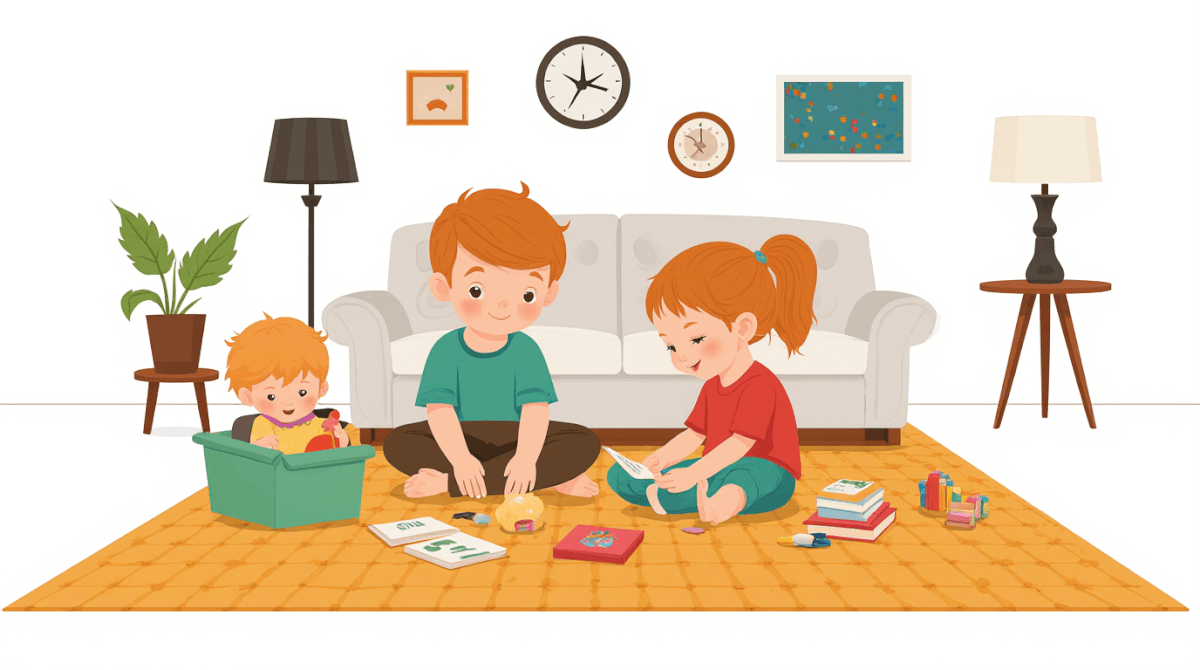
Attachment theory provides insight into the early stages of identity development, emphasizing that secure attachments formed during childhood significantly influence an individual’s self-perception and behavior in adulthood. Infants form attachments based on their caregivers’ responses to their needs for safety, comfort, and security. Consistent care from a stable caregiver leads to the formation of a secure attachment style, characterized by trust and emotional resilience. When parents consistently respond to a child’s cries with soothing and caring gestures, the child learns that the world is a safe place where they can seek help and find comfort when needed.
This sense of security forms the basis for developing a positive self-image. When children feel secure in their relationships, they are more likely to explore their environment and engage in new experiences without fear of rejection or abandonment. They develop confidence in themselves as individuals capable of navigating challenges independently. Unstable environments that lack consistency can lead to anxious or avoidant attachment styles, where children may struggle with trust issues and exhibit behaviors such as excessive clinginess or withdrawal.
Stability also influences social interactions by fostering the development of strong interpersonal skills. In stable environments, children have opportunities to interact with peers and adults in a predictable manner. These positive experiences contribute to the formation of supportive social networks that provide emotional support and validation. Regular interactions at school with teachers who consistently show interest and care can help children build a sense of belonging and self-worth.
Stable environments facilitate personal growth by providing structured guidance and consistent expectations. When children experience stability in their routines and daily activities, they learn to regulate their behavior and emotions more effectively. They develop the ability to set goals and work towards achieving them, which is essential for forming a coherent sense of identity. A child who consistently participates in after-school clubs or hobbies learns discipline and perseverance, qualities that contribute to their self-perception as capable and competent individuals.
The mechanisms through which stability influences identity formation are complex and interrelated. Secure attachments formed during early childhood provide the emotional foundation necessary for healthy development. These attachments shape an individual’s expectations of themselves and others, influencing how they perceive their role in the world. Positive social interactions in stable environments further reinforce these perceptions by providing ongoing validation and support. Consistent routines and expectations help children develop self-regulation skills, which are crucial for navigating various life situations with confidence.
To illustrate this process, consider a scenario where a child grows up in an environment characterized by unpredictability and inconsistency. This child might experience frequent changes in caregivers or living conditions, leading to fragmented attachment patterns. Such instability can result in feelings of insecurity and low self-esteem, as the child may struggle to form stable expectations about their relationships with others. A child raised in a stable home where routines are followed consistently is more likely to develop a strong sense of identity rooted in a secure base of emotional support.
Stability also influences cognitive development by providing structured experiences that promote learning and exploration. Consistent routines allow children to predict what will happen next, reducing anxiety and increasing their willingness to engage with new stimuli. This predictability fosters curiosity and creativity, essential components for forming a rich sense of identity. A child who regularly visits the library might develop a love for reading that contributes to their intellectual growth and personal interests.
Stability in social interactions helps children form meaningful connections with peers and adults outside the family. These relationships provide additional perspectives on self-worth and help shape an individual’s understanding of social norms and values. Positive interactions with teachers, classmates, or mentors can lead to a more nuanced view of oneself as both capable and valued by others.
Stability plays a pivotal role in identity formation by fostering secure attachments, promoting positive social interactions, and providing structured guidance for personal growth. By creating an environment where children feel safe and supported, parents and caregivers lay the groundwork for healthy development that extends far beyond childhood into adulthood. While individual differences exist, the core message remains clear: stability is a critical component in shaping who we become as individuals.
References:
Bowlby, J. (1980). Attachment and loss: Vol. 1. Attachment. Basic Books.
Ainsworth, M. D. S., Blehar, M. C., Waters, E., & Wall, S. (1978). Patterns of attachment: A psychological study of the strange situation. Erlbaum.



Be First to Comment