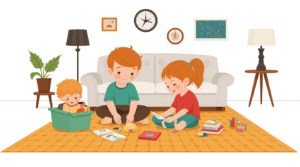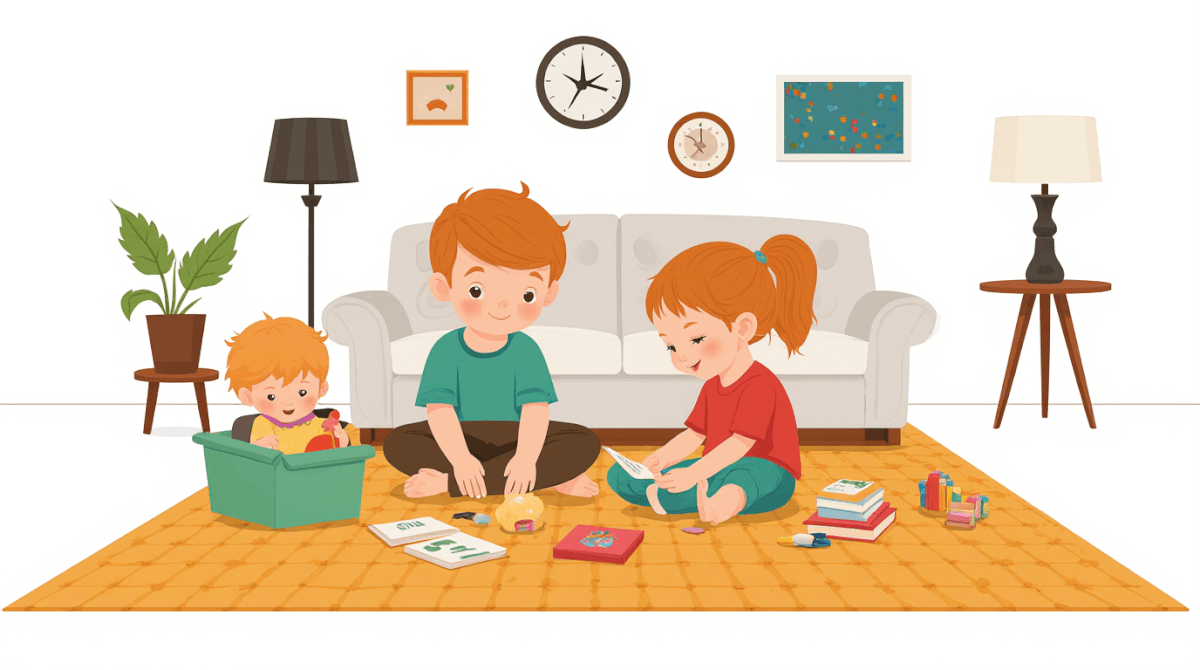
Family relationships are the first and most influential environment where children begin to understand the world and their place in it. The quality of these connections can shape a child’s emotional and psychological development, setting the stage for their interactions with others and their view of the world. By examining the everyday interactions within families, we can see how affection, consistency, support, and structure contribute to a child’s growing confidence, emotional regulation, and sense of security.
Affection is often the first language children learn in their family environment. A simple hug or a warm smile from parents can be incredibly powerful. When children feel seen and loved, they begin to develop a secure base from which to explore the world. This foundation is crucial for building self-esteem and resilience. Imagine a child who comes home after school. If their parent immediately greets them with a hug and asks about their day, the child is likely to feel valued and safe. Over time, this regular display of affection reinforces the idea that they are loved, even when things go wrong or achievements are modest. This sense of security is like a warm blanket wrapped around them, providing comfort and assurance.
Consistency in family interactions also plays a vital role. Children thrive on predictability; they need to know what to expect from their environment. When routines are established and followed, it helps children understand the world better and feel more in control. If a family has a regular bedtime routine that includes storytime, brushing teeth, and saying goodnight, children learn that this sequence always occurs in the same order. This predictability can reduce anxiety and promote a sense of stability. Consistency also helps build trust. If parents are reliable and dependable, children learn to rely on them in return. This mutual trust is foundational for emotional and psychological well-being.
Support from family members is another key component. Children need to know that their parents or caregivers will be there for them, offering encouragement and help when needed. Whether it’s cheering a child on during a game or listening to them talk about their fears, support fosters confidence and self-worth. A small example might be a parent who listens attentively as their child explains the challenges of a school project. By acknowledging the effort and providing guidance, the parent not only helps with the project but also teaches the value of perseverance and problem-solving. Over time, this kind of support builds a strong foundation for resilience and the belief that one’s efforts are valued.
Structure within the family environment also matters. While it’s important to be flexible and responsive to children’s needs, having a clear set of expectations and boundaries can provide a sense of order and safety. Children learn to navigate their world better when they understand what is expected of them. Setting a rule that homework must be completed before playtime helps establish a routine that encourages responsibility and discipline. This structure does not mean restricting creativity or exploration; instead, it provides a framework within which children can thrive. When rules are consistently enforced and explained, children learn to respect boundaries and develop self-discipline.
The mechanisms behind these influences are rooted in the ways our brains develop. Secure relationships promote the release of hormones like oxytocin and serotonin, which are associated with feelings of happiness and well-being. These chemicals help build neural pathways that support emotional regulation and social skills. A lack of affection or inconsistent support can lead to heightened stress levels, making it more difficult for children to manage emotions and navigate challenges.
In summary, the everyday interactions within families have a profound impact on a child’s emotional and psychological development. Through affection, consistency, support, and structure, parents and caregivers can create an environment that nurtures confidence, emotional regulation, and a sense of safety. These elements work together to build a secure foundation for children as they grow and face the world. While these aspects are interwoven and complex, understanding their importance can guide us in providing a nurturing environment that supports our children’s well-being.