
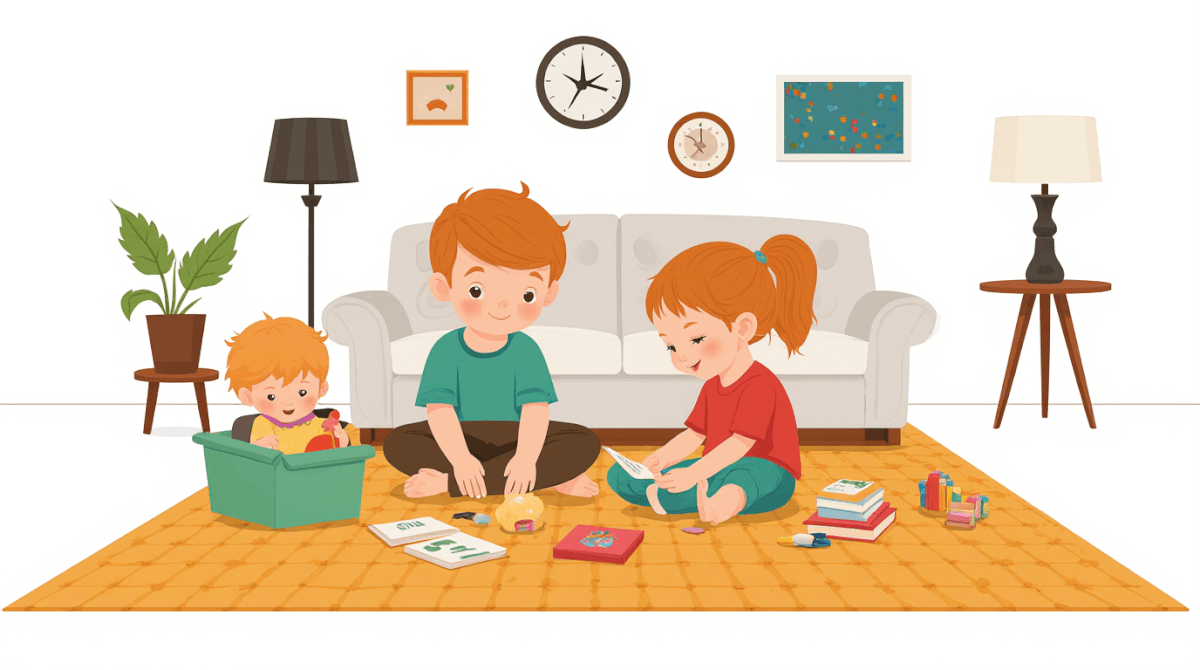
Family dialogue plays a crucial role in the cognitive, emotional, and social development of individuals. It involves the exchange of ideas, feelings, and opinions within the family setting, influencing how children perceive themselves, others, and their world. This essay will delve into how the nature and quality of family dialogue affect various aspects of child development, focusing on its impact on language acquisition, emotional intelligence, and social competence.
Language is a fundamental tool for communication, thought, and expression. Early exposure to rich and varied family dialogue is essential for developing linguistic skills. When parents engage in frequent conversation with their children, they expose them to complex vocabulary, grammatical structures, and semantic nuances that are critical for language development. Discussing daily activities such as cooking or playing can introduce a child to new concepts and words. A study by the National Institute of Child Health and Human Development (NICHD) found that children who were exposed to more language in their homes performed better on reading comprehension tests later in school.
Family dialogue not only expands a child’s vocabulary but also enhances their ability to understand and use language effectively. When parents actively listen to their children and provide feedback, they encourage the development of critical thinking skills. If a child shares an experience from school, a parent might ask open-ended questions such as “What did you learn today?” or “How did that make you feel?” These interactions help children articulate their thoughts more clearly and develop a deeper understanding of complex emotions.
In addition to language acquisition, family dialogue significantly contributes to the emotional intelligence of a child. Emotional intelligence refers to the ability to recognize, understand, and manage one’s own emotions, as well as the emotions of others. Engaging in meaningful conversations where parents share their feelings and listen empathetically can help children develop these skills. Discussing events that made someone happy or sad in the family can provide a framework for understanding different emotional states. A study by the University of Illinois found that children who participated in emotionally rich dialogues with their families exhibited better self-regulation and social competence.
The quality of interaction during family dialogue is critical to its effectiveness. If parents engage in active listening, they show genuine interest in what their child has to say, which reinforces positive communication patterns. This can lead to children feeling valued and understood, fostering a sense of security and emotional stability. Dismissive or uninterested responses might result in a child feeling invalidated, leading to potential difficulties in managing emotions.
Family dialogue is not only about verbal exchanges but also includes non-verbal cues such as body language and facial expressions. These elements can significantly influence how children interpret and react to conversations. A parent who shows genuine interest through eye contact and nodding while their child speaks can help the child feel heard and validated.
Social competence, another essential aspect of development, is also heavily influenced by family dialogue. Social skills include the ability to interact effectively with others, follow social rules, and resolve conflicts constructively. Engaging in structured discussions about social norms and values can teach children appropriate behavior in various settings. Talking about sharing toys or taking turns during play can help instill cooperation and empathy. These dialogues provide a platform for children to practice and refine their social skills.
Family dialogue encourages children to think critically and solve problems collaboratively. When parents involve their children in discussions about household decisions, such as planning a family trip or deciding on a new pet, it helps develop decision-making skills. These types of interactions not only foster independence but also prepare children for future responsibilities.
It is important to note that the frequency and quality of family dialogue can vary widely among different families due to cultural, social, and economic factors. In some cultures, there might be an emphasis on formal or structured dialogues, while in others, more casual exchanges prevail. Regardless of these differences, the underlying principle remains the same: meaningful interactions are vital for a child’s development.
It is crucial to recognize that the impact of family dialogue on development does not occur in isolation. A child’s overall environment and early experiences play a significant role in shaping their cognitive, emotional, and social skills. Children who grow up in nurturing environments where parents consistently engage in meaningful dialogues are more likely to develop strong language and social competencies.
Family dialogue is a powerful mechanism for influencing the development of individuals across various domains. By enhancing language acquisition, fostering emotional intelligence, and promoting social competence, it plays an indispensable role in shaping a child’s future interactions and experiences. Encouraging and maintaining high-quality family dialogues should be a priority for all parents and caregivers to support optimal development.
References:
– National Institute of Child Health and Human Development (NICHD). (2019). Early Language Milestones. [online] Available at:
– University of Illinois. (2021). Emotional Intelligence in Children: How to Raise Emotionally Intelligent Kids. [online] Available at:



Be First to Comment