In the warm embrace of family life, every day holds lessons that shape a child’s emotional and psychological landscape. From the first coos and giggles to the teenage years filled with doubts and questions, our interactions with family members play an essential role in how children develop into resilient, well-adjusted adults. The everyday moments—like sharing a meal, reading a bedtime story, or a simple hug—lay the groundwork for emotional security and stability.
Affection is one of the building blocks of a child’s emotional foundation. When parents express love through physical touch, such as cuddling, hugging, or holding hands, they create a sense of safety and warmth. This security fosters trust in relationships and helps children feel that they are loved unconditionally. When a young child feels their parent’s embrace after a fall, it reassures them that they are safe and cared for. This emotional bond teaches children that the world is a place where love and support are constants.
Consistency is another crucial element in shaping a child’s emotional landscape. Regular routines, such as going to bed at the same time each night or having a consistent family mealtime, provide a sense of predictability and stability. Predictability can significantly impact a child’s ability to manage emotions and behaviors. Knowing what to expect can help children navigate their day with more confidence. A child who knows they will have a snack before bedtime is less likely to experience anxiety about when they will eat next. Consistency also allows children to feel secure in the knowledge that certain aspects of their lives remain stable, even as other things change.
Support is vital in helping children navigate challenges and setbacks. When parents are there to listen, offer encouragement, and provide guidance, children learn how to cope with difficulties. This support can come in many forms—emotional, physical, or practical. When a child faces a problem at school, a parent’s willingness to discuss the issue and brainstorm solutions can boost their self-esteem and problem-solving skills. Regular check-ins and open communication about feelings and worries help children understand that they are not alone in their struggles.
Structure is another key factor in shaping a child’s development. A structured environment with clear boundaries and expectations helps children understand the norms of society and internalize a sense of order. This structure can be seen in household rules, such as respecting others’ personal space or completing chores. Setting aside specific times for homework, play, and family activities can help children develop time management skills and learn the importance of balancing responsibilities. Structure also provides a framework for children to understand what is expected of them, which can enhance their sense of predictability and reduce anxiety.
The mechanisms through which these factors shape a child’s emotional and psychological development are rooted in the brain’s neuroplasticity. As children interact with family members, neural pathways are formed and strengthened. Affection and consistency, activate the release of oxytocin and serotonin, hormones that promote bonding and emotional regulation. Support and structure encourage the development of cognitive functions such as memory, attention, and decision-making. These biological processes work together to create a supportive environment that nurtures a child’s growth.
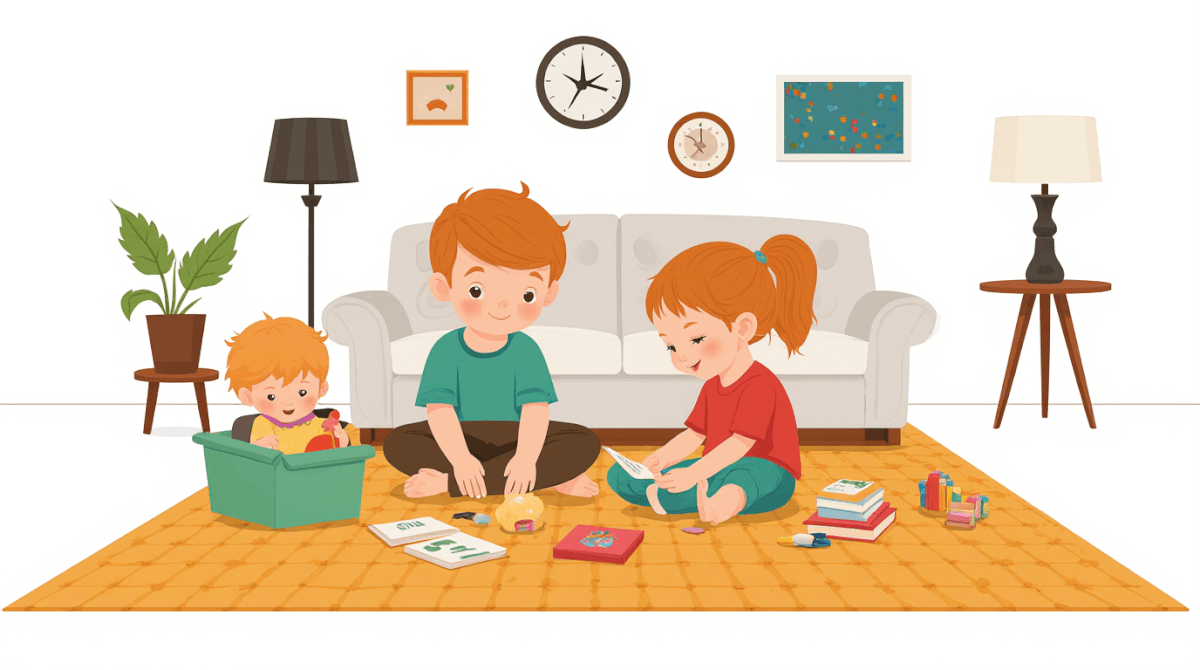
Consider the case of a family who sets aside time each evening for a “Family Time” activity, such as reading a book aloud or playing a board game. This ritual not only strengthens the bonds between family members but also provides a predictable and enjoyable experience that enhances emotional security. The child learns that they can look forward to these moments, which in turn helps them feel more at ease and capable of managing their emotions.
It is essential to acknowledge that every family is unique, with its own culture, values, and challenges. What works for one family may not work for another, and it’s important to adapt practices to fit the specific needs and circumstances of each family. A family that speaks multiple languages might celebrate this diversity by incorporating storytelling and cultural traditions into daily life. This not only enriches the child’s experience but also reinforces their sense of identity and belonging.
The everyday interactions within a family profoundly influence a child’s emotional and psychological development. Affection, consistency, support, and structure are not just concepts; they are the building blocks that form the foundation of a child’s well-being. By being attentive to these elements, parents and caregivers can help children build a strong emotional base that supports them through life’s challenges. Remember, it’s the small, consistent actions—like a bedtime story or a shared meal—that make a significant difference in a child’s journey towards becoming a confident, resilient, and well-adjusted individual.