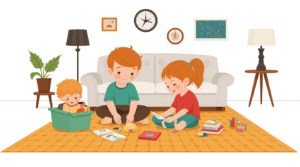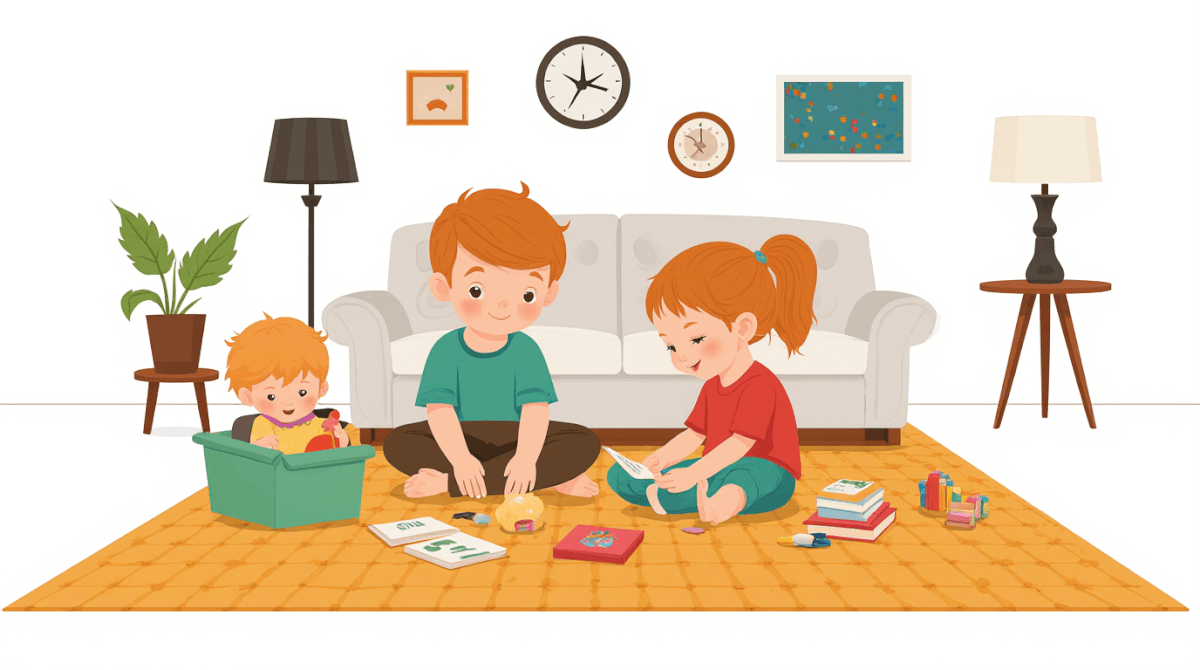
In the quiet corners of our homes, in the echoes of bedtime stories and the warmth of hugs, lie the building blocks of a child’s emotional and psychological well-being. Every family interaction, no matter how small, plays a significant role in shaping a child’s world. The ways we show affection, provide support, and establish structure are not just everyday actions; they are fundamental to the development of a child’s sense of self.
Affection, perhaps the most tangible of these elements, acts as a cornerstone for emotional security. A simple act like a gentle hug or a warm smile can make a world of difference. When a child feels seen and loved, it fosters an environment where they feel safe to explore and grow. This sense of safety is crucial because it allows children to form secure attachments, which are the foundation of all their future relationships.
Take, the story of little Lily. Her parents were always there with warm embraces and kind words, even when she was upset. Over time, this consistent display of affection taught Lily that she could rely on her family for comfort and reassurance. She developed a strong sense of emotional security. This security acts like a protective shield, helping her navigate challenges with confidence and resilience.
Consistency is another vital ingredient in the recipe of a child’s development. When routines are established and followed, children learn to anticipate and prepare for what comes next. This predictability helps in managing anxiety and fosters a sense of stability. Consistency also reinforces positive behaviors and supports the development of self-discipline.
Think back to the early mornings when you wake up with your child, getting them ready for school. The familiar sequence of events—brushing teeth, packing backpacks, grabbing breakfast—becomes a reassuring routine. This predictability can be incredibly comforting, especially in the midst of the chaos that sometimes comes with daily life.
Support, whether emotional or practical, is another key element. When children encounter obstacles, the presence of supportive parents or caregivers can make all the difference. This support could come in the form of listening ears, helping hands, or simply being there to offer a comforting word. Such support encourages children to believe in their abilities and fosters self-confidence.
Imagine the moment when your child struggles with a difficult math problem. By providing guidance and encouragement, you not only help them solve the problem but also instill in them the belief that they can overcome challenges. This kind of support builds resilience and self-assurance, qualities that are essential for navigating life’s ups and downs.
Structure is yet another critical component. It provides a framework within which children can learn to make sense of their world. Structure can be as simple as setting regular mealtimes or as complex as organizing a family calendar with school events and extracurricular activities. The key is to strike a balance between providing enough structure for children to feel secure and allowing enough flexibility for them to explore and grow.
Consider the example of family dinners. By setting aside time each evening for everyone to gather around the table, you create a routine that brings the family together. This shared experience fosters communication, strengthens bonds, and provides a sense of belonging. It’s a practical way to establish structure while maintaining a family-centered atmosphere.
Each of these elements—affection, consistency, support, and structure—interacts in complex ways to shape a child’s emotional and psychological development. Affection creates the foundation of trust and security; consistency provides predictability and stability; support encourages growth and confidence; and structure offers a framework for understanding and navigating life.
In the end, it is not just about the individual actions we take but how they come together as a cohesive whole. The warmth of a hug, the consistency of a routine, the support of a listening ear, and the structure of a well-organized day all contribute to the intricate tapestry of a child’s emotional landscape.
As parents or caregivers, we have the privilege and responsibility of being the architects of this landscape. By nurturing these elements in our daily interactions, we can help children build a strong emotional foundation that will serve them well throughout their lives. In the quiet moments, when the world around us seems uncertain, remember that the love, care, and support within our homes are the most powerful tools we have.