
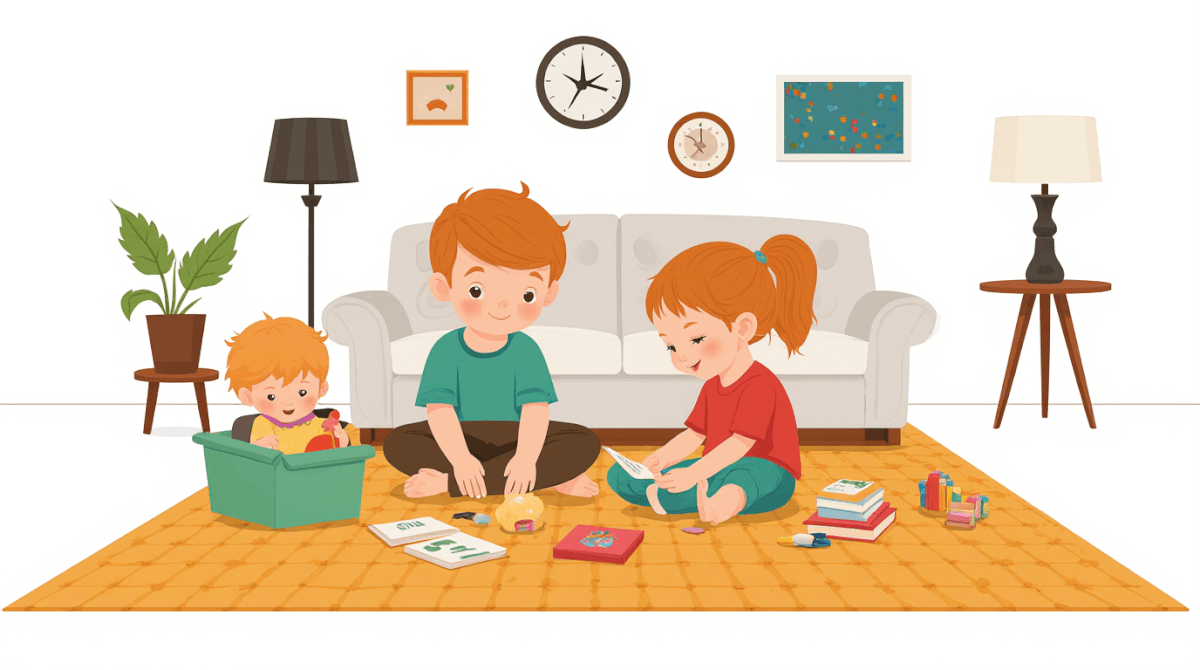
Emotional presence is crucial in the first years of life, when infants are particularly sensitive to the responsiveness of their caregivers. When parents provide consistent and sensitive responses to an infant’s needs, such as feeding, soothing, and holding, the child begins to develop a sense of trust and security. This secure base allows the child to explore the world with confidence, knowing that they can return to a safe and nurturing environment. Over time, these experiences build a psychological foundation that supports emotional security and confidence.
When caregivers are emotionally absent or unresponsive, the child’s developing sense of self is profoundly affected. The absence of emotional validation and support can lead to feelings of abandonment and insecurity. A young child who frequently finds their cries ignored or dismissed may begin to internalize the message that their emotions and needs are not important. This internalization can manifest as a belief that they are unworthy of care or love, contributing to the development of insecure attachment styles.
Insecure attachment can take several forms, with avoidant attachment being a common outcome of emotional absence. Children who grow up in this environment often learn to suppress their emotions, seeking to minimize the possibility of disappointment and rejection. They may become adept at self-soothing or detaching from their feelings, strategies that serve as coping mechanisms but can also lead to difficulties in forming intimate relationships in adulthood. These children might struggle with intimacy, fearing vulnerability and potential hurt.
Some children who experience emotional absence may develop a resistant attachment style, characterized by heightened vigilance and defensiveness. They might become overly dependent on others, seeking constant reassurance and validation from caregivers. This behavior can be seen in situations where a child persistently seeks attention or validation, perhaps through excessive clinginess or tantrums. Over time, these behaviors can become ingrained patterns of behavior that are challenging to overcome.
The psychological mechanisms underlying these attachment styles are complex. The brain’s reward system, which is heavily influenced by early experiences, plays a significant role in shaping emotional responses. When an infant receives positive reinforcement for expressing emotions, their brain begins to associate those feelings with pleasure and security. A lack of such reinforcement can result in a diminished capacity for experiencing and expressing emotions, leading to difficulties in forming meaningful connections later in life.
The concept of self-regulation, crucial for emotional stability, is profoundly affected by early experiences. Children who grow up in emotionally absent environments may struggle with self-regulation, finding it challenging to manage their emotions effectively. This can manifest as heightened anxiety, irritability, or even behavioral issues that persist into adulthood. A young child who is not taught how to regulate their emotions might struggle with outbursts or meltdowns, behaviors that can be difficult to manage and interpret in adult relationships.
Over time, these patterns of emotional absence accumulate, shaping the child’s internal working model of relationships. This internal model, which is essentially a set of expectations about how relationships should function, is formed through repeated experiences of emotional availability or absence. A child who consistently receives inconsistent responses from caregivers might develop an internal model that expects relationships to be unpredictable and unreliable. Such expectations can lead to significant challenges in forming and maintaining stable, healthy adult attachments.
The tension between support and overprotection further complicates the development of secure attachment. While emotional availability is crucial, excessive or intrusive parental behavior can also hinder a child’s ability to develop independence and self-reliance. A parent who constantly reassures their child about every aspect of their life might inadvertently prevent the child from developing the necessary skills to navigate the world on their own. This overprotection can result in a child who is overly dependent on others for emotional support, creating a cycle that is difficult to break.
Understanding these dynamics helps shed light on why some adults struggle with forming close relationships. The early experiences of emotional absence can leave deep scars, leading to a tendency to seek out relationships that mirror the insecure patterns established in childhood. An individual who grew up with emotionally absent parents might find themselves drawn to partners who exhibit similar behaviors, often subconsciously reenacting the dynamics from their past.
It is important to note that while early experiences significantly influence adult attachment, they are not destiny. Many adults who experienced emotional absence in childhood can still form secure and fulfilling relationships through conscious effort and therapeutic interventions. Therapy, provides a space for individuals to explore and address the underlying issues that stem from these early experiences. Techniques such as mindfulness and cognitive-behavioral therapy can help individuals develop healthier coping mechanisms and improve their ability to regulate emotions.
The impact of emotional absence on adult attachment is a nuanced and complex phenomenon that unfolds through the interplay of everyday family interactions and the psychological mechanisms underlying emotional development. By understanding these dynamics, individuals can gain insights into their own attachment patterns and work towards healing and building healthier relationships.
Related Reading
– Peter Fonagy — Affect Regulation and Mentalization
– Lev Vygotsky — Mind in Society



