Anxiety when facing a public performance is a common experience that many people encounter, whether they are seasoned professionals or novices. The prospect of standing before an audience can evoke a cascade of anxious thoughts and physical reactions that can severely affect one’s ability to perform effectively.
Imagine the moment you step onto a stage for a work presentation or prepare to play a musical piece in front of peers. Your mind might race with worst-case scenarios: “What if I forget my lines? What if everyone laughs at me?” These internal dialogues are not just idle fears; they stem from deep-rooted psychological and emotional mechanisms.
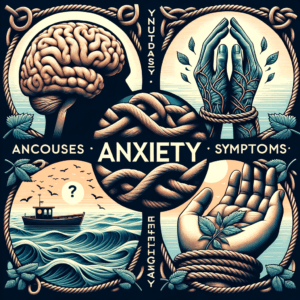
At its essence, anxiety is the body’s response to perceived threats or uncertainties. When we anticipate being judged or failing in a performance situation, our brain initiates the fight-or-flight response by releasing stress hormones like adrenaline and cortisol. These hormones trigger physical symptoms such as an increased heart rate, sweating, and trembling hands—responses that once helped us survive in dangerous situations but now can hinder optimal performance.
The intensity of this anxiety varies widely depending on several factors. The size and status of the audience play a significant role; speaking to a small group of friends might feel less intimidating compared to addressing a large conference full of industry experts. Cultural contexts also influence how we perceive public performances—what’s considered a casual conversation among peers may be viewed very differently in formal settings.
Anxiety can manifest uniquely based on an individual’s level of preparation and familiarity with the task at hand. Someone who has thoroughly prepared for their performance might experience fleeting anxiety that diminishes once they start speaking or performing, channeling it into positive energy to enhance their delivery. A person facing a new challenge without adequate practice may feel overwhelmed by reactive anxiety, leading them to doubt their abilities and potentially undermine their confidence.
The nature of this fear often revolves around the anticipation of negative evaluation. When we believe that others are scrutinizing our every move, waiting for us to falter or make mistakes, it can trigger intense emotional discomfort. This belief in being judged harshly is a powerful driver behind performance anxiety, pushing individuals into a cycle of self-doubt and apprehension.
Addressing this fear involves reflecting on the underlying thought patterns rather than attempting to eliminate them entirely. One effective strategy is to accept that fear is a natural part of the experience and not something to be avoided or suppressed. By acknowledging it, we can start to challenge our fearful thoughts more constructively. Instead of fixating on potential failures, focus on connecting with your audience and sharing what you are passionate about.
Another crucial aspect is learning to manage physical symptoms through techniques such as deep breathing exercises. These practices help regulate the body’s stress response, allowing for clearer thinking and better control over nervousness during performance times. Additionally, visualizing success before the event can boost confidence by reinforcing positive outcomes rather than dwelling on worst-case scenarios.
Understanding that our anxiety is not an insurmountable obstacle but a signal to pay attention to our emotional state can be empowering. It encourages us to develop resilience and adaptability in handling challenging situations. By fostering this mindset, we move closer to embracing performance anxiety as part of personal growth rather than a hindrance.
Navigating through the complexities of performance anxiety involves recognizing its roots in psychological fears and physiological responses while implementing practical strategies for coping with these challenges. With practice and reflection, individuals can gradually transform their relationship with public performances from one of fear and apprehension to one of confidence and enjoyment.
Anxiety serves as a reminder that we are human and that uncertainty is part of life’s tapestry. By acknowledging this fact, we open the door to understanding ourselves more deeply and finding ways to harness our anxiety for personal development rather than letting it dictate our actions. This journey towards self-awareness and resilience can ultimately lead to a richer, more fulfilling experience in both public performances and everyday interactions.