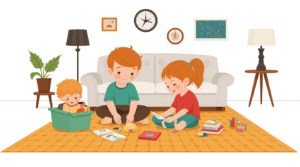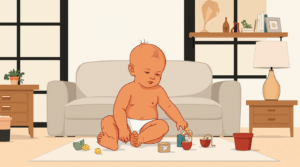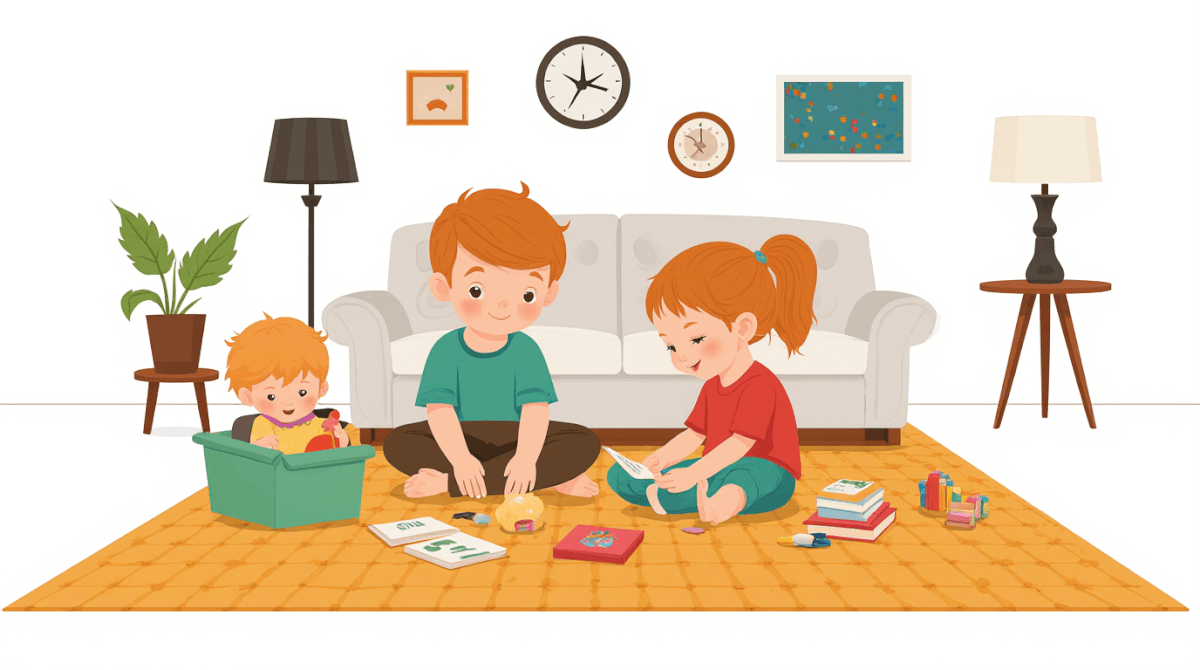
From the earliest days of infancy, the foundation for perseverance begins to take shape. A baby’s first encounters with the world often involve a mix of comfort and stimulation from caregivers. When an infant is hungry or uncomfortable, the prompt and responsive feeding or soothing provided by parents can lead to a sense of security. This sense of security serves as a crucial building block for the child’s belief in their ability to navigate the world and meet their needs. As the child grows, the interactions become more nuanced; the parents’ responses to their child’s efforts, both successful and unsuccessful, begin to shape the child’s self-concept.
In a typical scenario, if a child attempts to grasp a toy and fails several times, a parent’s encouragement or gentle assistance can reinforce the idea that persistence is rewarded. This feedback loop is crucial because it teaches the child that effort is valuable and that failure is not an end but a step towards success. Over time, repeated experiences of encouragement for effort, rather than just achievement, contribute to the development of a resilient mindset. The child learns that resilience is not just about not giving up when they succeed, but also about not giving up when they fail.
It is essential to note that the balance between support and overprotection can significantly influence this process. While supportive parents who provide encouragement and guidance are beneficial, overprotective parents might inadvertently stifle a child’s natural drive to explore and overcome challenges. A child who is constantly shielded from difficulty may struggle to develop the perseverance needed to face adversity independently. The delicate balance lies in providing support that empowers the child to handle challenges while not removing the sense of struggle and accomplishment.
The role of emotional security is pivotal in this process. Children who feel securely attached to their caregivers are more likely to engage in activities without fear of failure, knowing that their caregivers will provide support if needed. Children experiencing inconsistent or dismissive care may become overly cautious or even avoidant of challenges, fearing that their efforts might be met with disappointment or neglect.
As the child grows, the family environment continues to play a significant role in shaping their self-regulation skills. Parents who model and teach emotional regulation techniques—such as deep breathing or stepping away from a problem to return later with a clear mind—are passing on valuable tools for managing frustration and maintaining focus. These practices help the child develop the ability to calm themselves and approach tasks with renewed energy, even after setbacks.
The encouragement of autonomy is another critical factor. Children who are given opportunities to make decisions and solve problems independently are more likely to develop a sense of self-efficacy. This process involves providing age-appropriate responsibilities and allowing the child to experience the consequences of their choices. If a child is asked to clean up their toys but struggles, the parent might guide them through the process, allowing them to see how persistence leads to completion.
Tension within this process often arises when parents have different approaches or expectations. While some may emphasize the importance of effort and resilience, others might prioritize immediate success and fear failure. This tension can be both a challenge and an opportunity. It highlights the need for open communication and understanding among caregivers about their goals for their child’s development. Through dialogue, parents can align their strategies to create a more cohesive and supportive environment.
In contrast to the nurturing interactions, moments of disappointment or frustration are also integral to the formation of perseverance. These moments, handled constructively, teach children that setbacks are part of growth. If a child works hard on a project only to receive less-than-ideal feedback, parents who discuss the effort and provide guidance on improvement can help the child see these experiences as opportunities for learning. This perspective is critical because it prevents children from developing an all-or-nothing mindset and encourages them to view challenges as steps towards mastery.
The impact of cultural and social contexts further enriches this process. In some cultures, collective achievement and group success are emphasized, which can foster a sense of unity and shared perseverance. In individualistic societies, the focus might be more on personal accomplishment and independence, which can instill a drive for self-mastery and resilience.
The formation of perseverance in childhood is a multifaceted process that emerges from a combination of emotional security, self-regulation skills, and cultural influences. It is shaped through everyday interactions, both supportive and challenging, within the family environment. By understanding these mechanisms, parents and caregivers can create an environment that nurtures not just the ability to succeed, but the persistence to keep trying even in the face of difficulties.
Related Reading
– Sarah-Jayne Blakemore — Inventing Ourselves (adolescent transition)
– Bessel van der Kolk — The Body Keeps the Score