
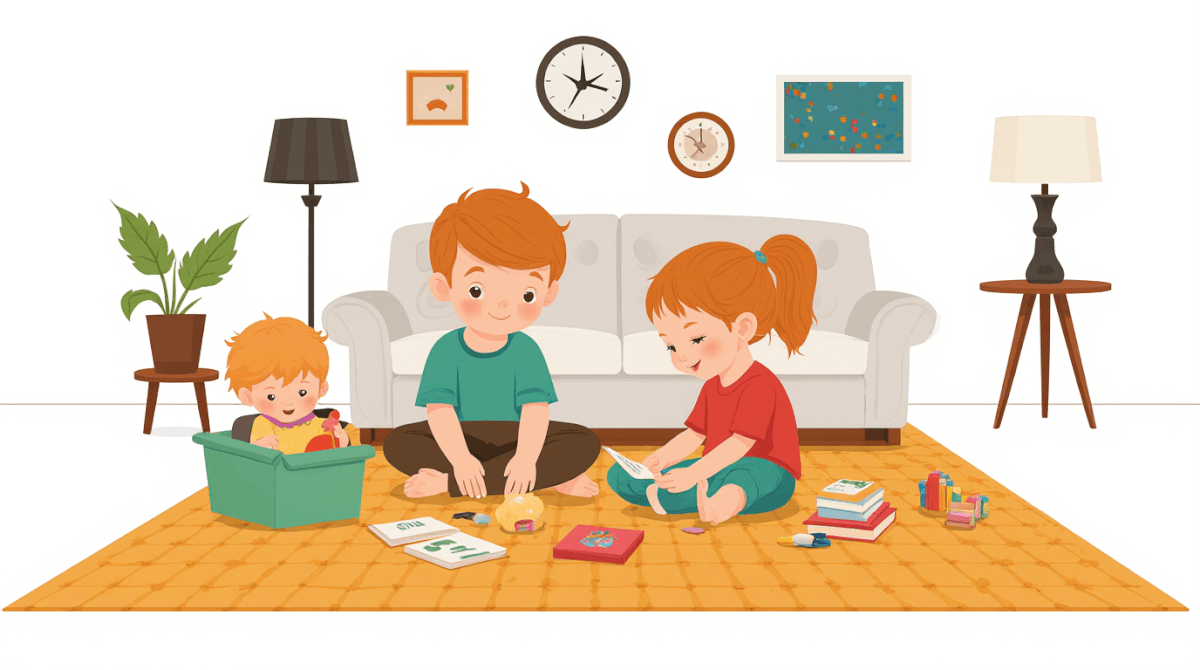
Inner calm during childhood is a significant factor that influences one’s overall development and well-being into adulthood. This inner peace does not emerge spontaneously; it is shaped by the child’s environment, interactions with caregivers, and personal experiences. One key mechanism through which this calm is formed involves the interplay between emotional regulation skills, attachment security, and cognitive coping strategies. These components work together to create a stable internal state that can withstand stressors in various contexts.
From an early age, children begin to develop their ability to manage emotions. Emotional regulation is essentially about recognizing and responding appropriately to feelings—both positive and negative—without being overwhelmed by them. When a child experiences frustration while trying to solve a puzzle, the capacity to calm down and persist with the task rather than giving up or becoming upset is an example of effective emotional regulation.
The quality of attachment between a child and their primary caregiver plays a crucial role in establishing these skills. Secure attachment is characterized by consistent responsiveness from caregivers who provide comfort, support, and reassurance when needed. This secure base allows children to explore their environment confidently, knowing that they can return to their caregiver for safety and emotional stability. If a child feels anxious about going to the playground but knows that their parent will be there to offer help or comfort, they are more likely to feel secure enough to engage with new experiences.
Emotional regulation is further enhanced by cognitive coping strategies such as problem-solving and mindfulness techniques, which develop alongside social interaction. Children learn to use these strategies when faced with challenges, allowing them to manage difficult situations in a constructive manner. If a child faces a conflict with a friend over sharing toys, they might resolve the issue through negotiation or seek help from an adult rather than resorting to aggression.
Culturally and socially, children also internalize norms and values that influence their emotional responses and coping mechanisms. These may come from family traditions, peer groups, or broader societal expectations. In a culture that emphasizes teamwork, children might learn early on the importance of cooperation and patience when working with others, fostering a sense of inner calm through collective activities.
It is essential to recognize how these elements interact to form a holistic picture of inner calm during childhood. Emotional regulation skills provide the foundation for managing feelings effectively; attachment security ensures emotional support and stability; and cognitive coping strategies offer practical tools for dealing with stressors. Together, they create a robust framework that can be adapted across different situations.
Consider a scenario where a child faces a challenging school project. With well-developed emotional regulation skills, the child remains calm despite initial frustration. Secure attachment to their teacher or parent provides reassurance and guidance, helping them approach the task with confidence. Cognitive coping strategies like brainstorming solutions help break down the project into manageable steps. These combined mechanisms enable the child to work through the challenge without becoming overwhelmed, maintaining inner calm throughout.
The environment in which these processes occur is critical. A supportive home or school atmosphere encourages children to explore their emotions and develop self-regulation techniques. Positive interactions with peers and teachers reinforce the importance of emotional intelligence and resilience. Neglectful or abusive environments can hinder the development of these essential skills, leading to increased anxiety and difficulty coping with stress.
Cultural influences play a significant role in shaping how children perceive and respond to emotions. In some cultures, expressing strong emotions openly is encouraged as a form of healthy communication. In others, suppressing feelings might be seen as more appropriate. These differing norms can impact the strategies children adopt for managing their emotions, thereby influencing their ability to achieve inner calm.
The formation of inner calm in childhood is a complex process involving emotional regulation, secure attachment, and cognitive coping skills. These elements interact within social, cultural, and relational contexts to create an environment that fosters resilience and adaptability. By nurturing these aspects, children can develop the necessary tools to navigate life’s challenges with greater ease and peace of mind.
This holistic approach emphasizes the importance of a supportive and emotionally intelligent upbringing in shaping a child’s ability to maintain inner calm throughout their development. Understanding this mechanism provides valuable insights into the factors that contribute to psychological well-being from an early age, highlighting the enduring impact of childhood experiences on future mental health.
Related Reading
– Adele Faber & Elaine Mazlish — How to Talk So Kids Will Listen & Listen So Kids Will Talk
– Sarah-Jayne Blakemore — Inventing Ourselves (adolescent transition)


Be First to Comment