In the early years of a child’s life, the formation of humility is a subtle yet profound process. This process begins with the foundational interactions between a child and those who provide care, primarily parents and caregivers. These interactions, while seemingly mundane, are laden with psychological mechanisms that gradually shape a child’s sense of self and their place in the world.
From the moment a child enters into the world, they begin to form a sense of self through their interactions with their primary caregivers. This interaction is not merely about feeding or changing diapers; it involves a complex interplay of emotions, expectations, and social norms that lay the groundwork for humility. Caregivers often engage in what psychologist Diana Baumrind describes as “sensitive and responsive” parenting, which involves being attuned to the child’s needs while also setting boundaries. Through these interactions, a child learns to recognize and understand their own emotions, developing emotional security.
When a child expresses a need, such as hunger or discomfort, a caregiver who responds promptly and empathetically fosters a sense of trust in the world. This trust is crucial because it lays the foundation for a secure base from which the child can explore and engage with the environment. Over time, as this secure attachment is reinforced through repeated interactions, the child begins to internalize the idea that their needs are important and valued. This internalization is fundamental because it supports the development of confidence in one’s own value and worth.
The journey towards humility is not straightforward. It often involves a delicate balance between fostering independence and instilling a sense of interconnectedness with others. In many families, there can be a tension between these two needs. A caregiver might encourage a child to make decisions independently to foster self-reliance. Yet, if this encouragement comes with little consideration for the child’s emotional state or their social environment, it can result in an overestimation of the child’s capabilities. This can lead to a sense of pride that overshadows humility.
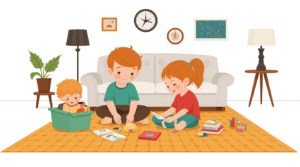
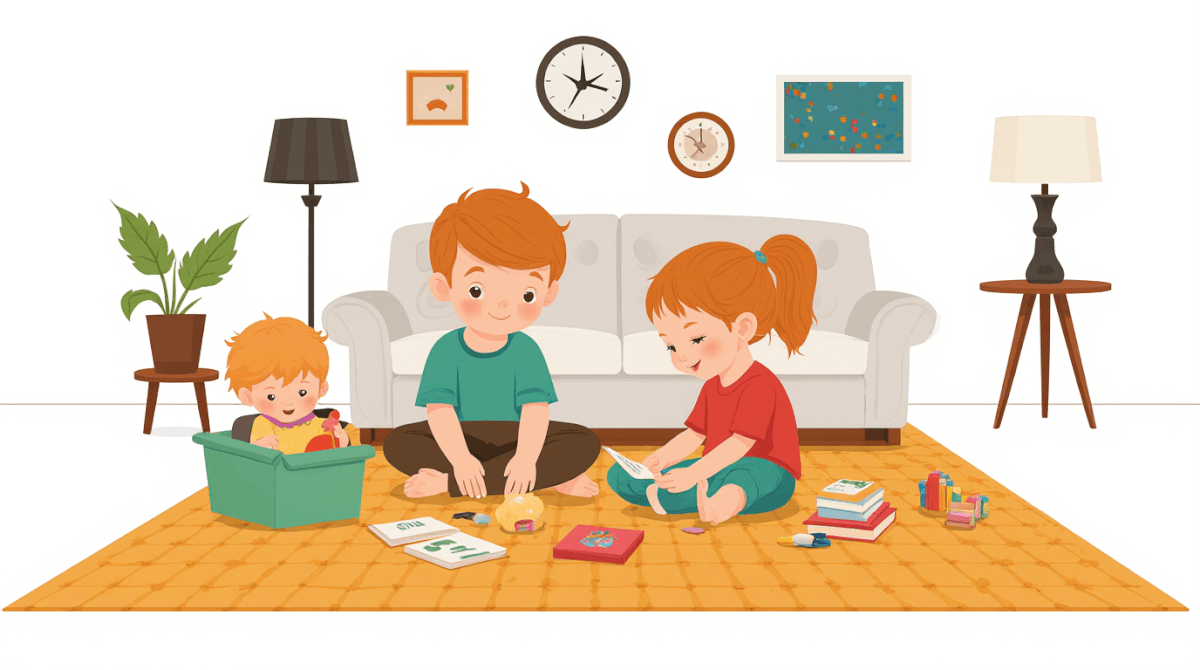
A nurturing caregiver might consistently highlight the child’s interdependence with others, perhaps through daily routines such as sharing meals or helping to clean up after play. These activities subtly teach the child that their well-being is intertwined with that of others. By being present and participatory in these shared experiences, the child learns that humility is not just about recognizing one’s limitations but also about understanding the importance of cooperation and mutual respect.
The role of language and storytelling also plays a significant part in shaping a child’s humility. Parents often use everyday situations as teachable moments to instill values such as kindness and empathy. When a child shows interest in others’ feelings, a parent might point out how their actions affect those around them, reinforcing the idea that one’s behavior has consequences. This process is ongoing; each interaction, whether positive or negative, contributes to the child’s growing sense of self.
The way caregivers handle conflict and resolution can greatly influence a child’s understanding of humility. When disagreements arise, a parent who models patience and respect, rather than resorting to anger or force, teaches the child that conflicts are opportunities for learning and growth. This approach helps the child to see that everyone has flaws and that it is through acknowledging these flaws and working together that relationships can be strengthened.
Humility, emerges not just from a lack of arrogance but from a deep-seated recognition of one’s own fallibility and interdependence. As a child experiences consistent support, boundaries, and shared activities, they begin to internalize the idea that their value is not solely derived from their achievements or possessions, but from their ability to contribute positively to the community.
It is important to note that this process is not uniform. Different cultural contexts, family structures, and individual personalities can influence the rate and manner in which humility develops. In some cultures, direct instruction about humility may be more common, whereas in others, it might be subtler, emerging through observation and modeling.
The formation of humility in early life is a nuanced process shaped by everyday interactions and social contexts. It involves emotional security, confidence, identity, and self-regulation. Through sensitive and responsive caregiving, shared experiences, and the subtle guidance provided in language and conflict resolution, children learn to recognize their interconnectedness with others and the world around them. This journey, though gradual and complex, lays the foundation for a balanced and compassionate worldview that can serve as a guiding light throughout life.
Related Reading
– Alison Gopnik — The Philosophical Baby
– T. Berry Brazelton — Touchpoints