
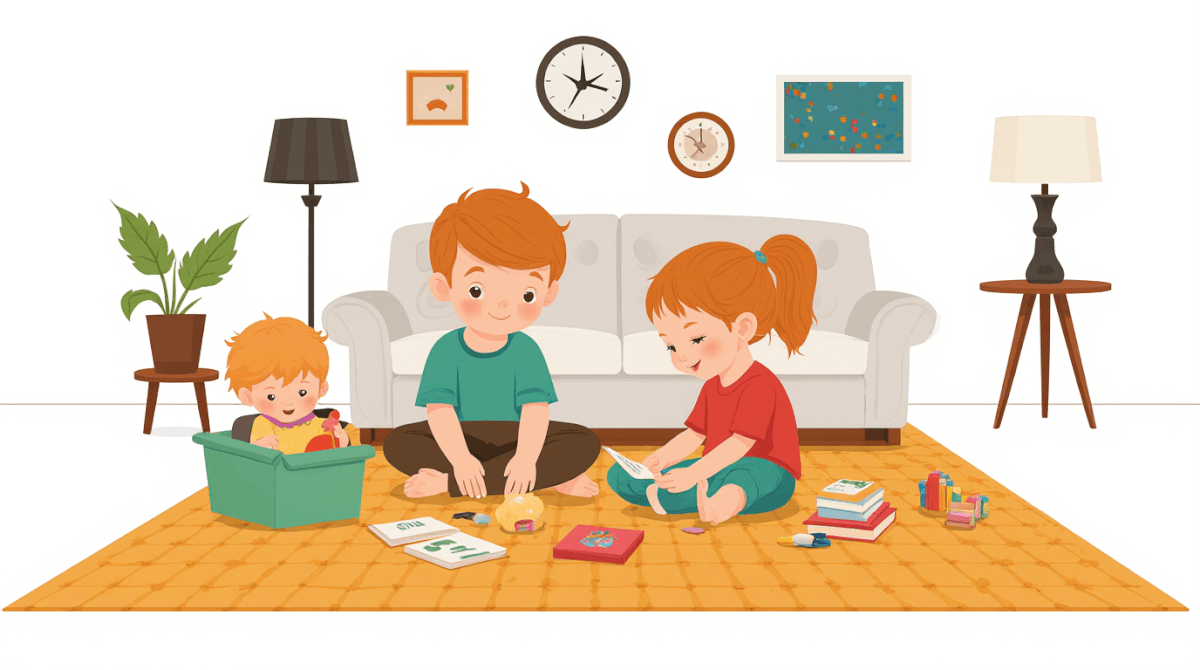
Caregivers play a pivotal role in teaching young children how to recognize and articulate their emotions, often by reflecting back these feelings in a mirrored fashion. If a child is upset after falling down while learning to walk, a caregiver might say, “Oh no, you look so sad. That must have hurt.” This response not only validates the child’s feelings but also provides them with language and emotional labels that they can internalize. Over time, these mirrored responses help children build an understanding of their own emotions and how to express them appropriately.
The process begins in infancy when babies start developing basic affective experiences such as happiness, anger, or fear. As infants grow, they become more adept at recognizing and responding to emotional cues from others, including caregivers who are consistently present in their environment. Through repeated interactions, children learn that certain emotions are associated with particular situations and that it is acceptable to express these feelings openly.
Consider a scenario where a child experiences separation anxiety when leaving for school. A caregiver might gently soothe the child by saying, “It’s okay to feel sad about mommy or daddy going away. I know you’ll have fun playing at school.” This not only acknowledges the child’s emotions but also normalizes them within the context of everyday life. Such interactions help children understand that it is alright to experience a range of emotions and that these feelings are part of their identity.
Caregivers’ responses can vary in tone, intensity, and duration, each teaching the child about different emotional states. When a child experiences success or achievement, parents might celebrate with joyous expressions and exuberant praise. During challenging times like conflict resolution, caregivers may model calm and constructive communication strategies. Both of these scenarios provide children with concrete examples of how to handle positive and negative emotions.
The effectiveness of this mechanism can be significantly impacted by the cultural and social context within which it operates. Different societies have varying norms and expectations regarding emotional expression. In some cultures, high levels of emotional restraint are valued, while others embrace open displays of emotion. In Western societies, there is often an emphasis on expressing emotions openly, whereas in Eastern cultures, there might be a greater preference for maintaining emotional control.
These societal norms can influence how caregivers interact with their children and the messages they convey about acceptable emotional expressions. In environments where open expression is encouraged, children are more likely to learn that it is safe to share their feelings freely. In contexts where restraint is prioritized, children may develop a more internalized approach to handling emotions.
The impact of cultural context on healthy emotional expression can be further illustrated through the concept of “emotional intelligence.” Emotional intelligence involves recognizing and understanding one’s own emotions as well as those of others, and managing them effectively. Studies have shown that children who grow up in supportive, emotionally expressive environments tend to develop higher levels of emotional intelligence compared to those raised in more restrictive settings.
Additionally, the quality of caregiver-child relationships also significantly influences this process. Strong, nurturing bonds provide a secure base from which children can explore their emotions and learn how to manage them. Children with secure attachment are better equipped to navigate complex emotional landscapes because they have learned that others will provide comfort and support during challenging times.
The role of peers in shaping healthy emotional expression should also be acknowledged. As children grow, they begin to engage more with their peer group, learning from their interactions and mimicking the behavior of those around them. This socialization process can reinforce or challenge the emotional patterns learned from caregivers. If a child observes friends sharing their feelings openly without judgment, this might encourage them to do the same.
It is crucial to note that not all children receive consistent and supportive emotional modeling. In households where caregivers struggle with their own mental health issues or have limited emotional literacy skills, children may not learn effective ways to express themselves. This can result in difficulties later on when they face emotionally charged situations without a robust framework for processing these feelings.
Another factor to consider is the impact of media and technology on emotional expression. In today’s digital age, children are exposed to a wide array of messages about emotions through films, TV shows, social media, and video games. These representations can either complement or contradict the teachings received from caregivers. Positive depictions of diverse emotional experiences in media can encourage children to explore their own feelings more openly.
The increasing prevalence of screen time has led to concerns about its impact on face-to-face interactions and emotional literacy. While digital devices offer opportunities for learning about emotions through multimedia content, they cannot fully replace the nuanced social cues and immediate feedback provided by live interactions with caregivers and peers.
The formation of healthy emotional expression is a multifaceted process that involves the continuous interplay between individual development and environmental factors. The mirroring and modeling mechanism, through which caregivers reflect children’s emotions back to them, plays a crucial role in this developmental process. By understanding how this mechanism operates within social, cultural, and relational contexts, we can gain insights into why some individuals develop robust emotional expression skills while others struggle.
While the outlined mechanisms provide a framework for healthy emotional development, it is essential to recognize that each child’s journey is unique. Factors such as individual temperament, family dynamics, and external influences all contribute to the complex nature of emotional growth. As society continues to evolve, so too must our approaches to fostering healthy emotional expression in children.
References:
1. Siegel, D. J., & Hartzell, M. (2013). *Parenting from the Inside Out: How a Deeper Self-Understanding Can Help You Raise Children Who Thrive*. Penguin.
2. Zunin, L. S. (1985). *The Emotional Survival Guide for Parents*. Free Press.


Be First to Comment