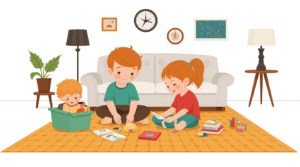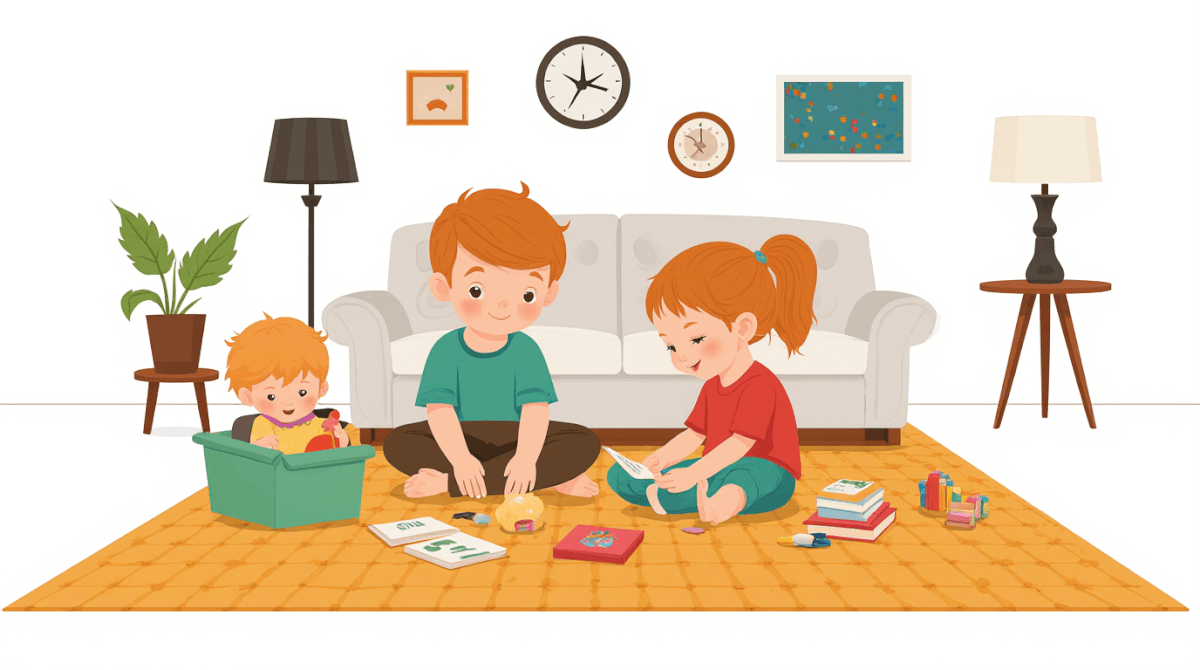
In the heart of every family lies a tapestry of daily interactions that, over time, shape a child’s emotional and psychological landscape. These everyday moments, often overshadowed by their simplicity, are the building blocks of a child’s developing self. Affection, consistency, support, and structure—these are not just catchwords or theoretical concepts; they are the essential threads that weave together the fabric of a child’s life.
Affection is one of the most powerful tools in a parent’s toolkit. A simple hug, a pat on the back, or a gentle kiss can be more than just physical touch; they are messages of love and acceptance. When children receive consistent displays of affection, it creates an environment of safety and warmth. This sense of security becomes a cornerstone for their emotional well-being. Imagine a child who grows up in a home where hugs are not just occasional but expected and given freely. Such a child is more likely to develop the ability to trust others and express their emotions openly.
Consistency is another crucial element. Children thrive on routine and predictability. Whether it’s a regular bedtime story every night or a family walk after dinner, these familiar patterns provide a sense of stability. This predictability helps children understand that life has a rhythm, which in turn aids in the development of emotional regulation. Think of a child who knows exactly what to expect from their routine; they are more likely to feel secure and less anxious about the unknown.
Support, in its many forms, is vital for a child’s growth. It can be as simple as encouraging them to try something new or comforting them when they fail. When parents offer support without judgment, children learn to embrace challenges and view failures as learning opportunities rather than setbacks. A parent who listens with empathy and offers constructive guidance helps their child build resilience and confidence. A child who sees their parent cheering for their efforts in school projects is more likely to take risks and pursue interests fearlessly.
Structure, provides boundaries and expectations. It gives children a sense of order and responsibility. Setting clear rules and consequences teaches children about accountability and self-discipline. While it might seem harsh at times, understanding that there are limits and reasons behind them can help children develop a sense of morality and respect for authority. A parent who explains the reasons behind their rules and consistently enforces them, does so with kindness and understanding. This approach fosters trust and mutual respect between parent and child.
The mechanisms by which these elements shape a child’s emotional and psychological development are straightforward yet profound. Affection, triggers the release of oxytocin, often called the “love hormone,” which helps create strong emotional bonds. Consistency, predictability, and routine help develop the brain’s reward system, making children feel more secure and confident in their environment. Support and encouragement boost self-esteem, while structure promotes self-regulation and discipline.
Consider a small example: A child who receives consistent support from their parents during homework struggles is likely to develop better study habits and a stronger sense of self-worth. Over time, this support can translate into increased academic performance and a more positive attitude towards learning. The same child might also learn to approach challenges with confidence, knowing that their efforts are appreciated and valued.
The absence of these elements can lead to different outcomes. A child who grows up in a home where affection is sporadic or absent may struggle with trust issues. Consistent neglect or inconsistency in routines can cause anxiety and difficulty in managing emotions. Lack of support during tough times might result in lower self-esteem and a reluctance to take risks. Weak structure can contribute to behavioral problems as children may not learn the importance of following rules and respecting authority.
The impact of family relationships on a child’s development is multifaceted and interconnected. While it’s true that external factors such as culture, socioeconomic status, and societal influences also play significant roles, the warmth and predictability of a nurturing home environment cannot be underestimated. These everyday interactions are not just about providing care; they are about laying the groundwork for a child’s emotional and psychological resilience.
In essence, the key to fostering a healthy emotional and psychological environment is to provide a consistent, supportive, and structured yet loving home. By focusing on these elements, parents and caregivers can help children build a strong foundation that will serve them well throughout their lives. As they grow and navigate the complexities of the world, they will carry with them the lessons learned in the warmth and security of their family’s embrace.
Related Reading
– Laurence Steinberg — Age of Opportunity
– Stanley Greenspan — The Growth of the Mind