
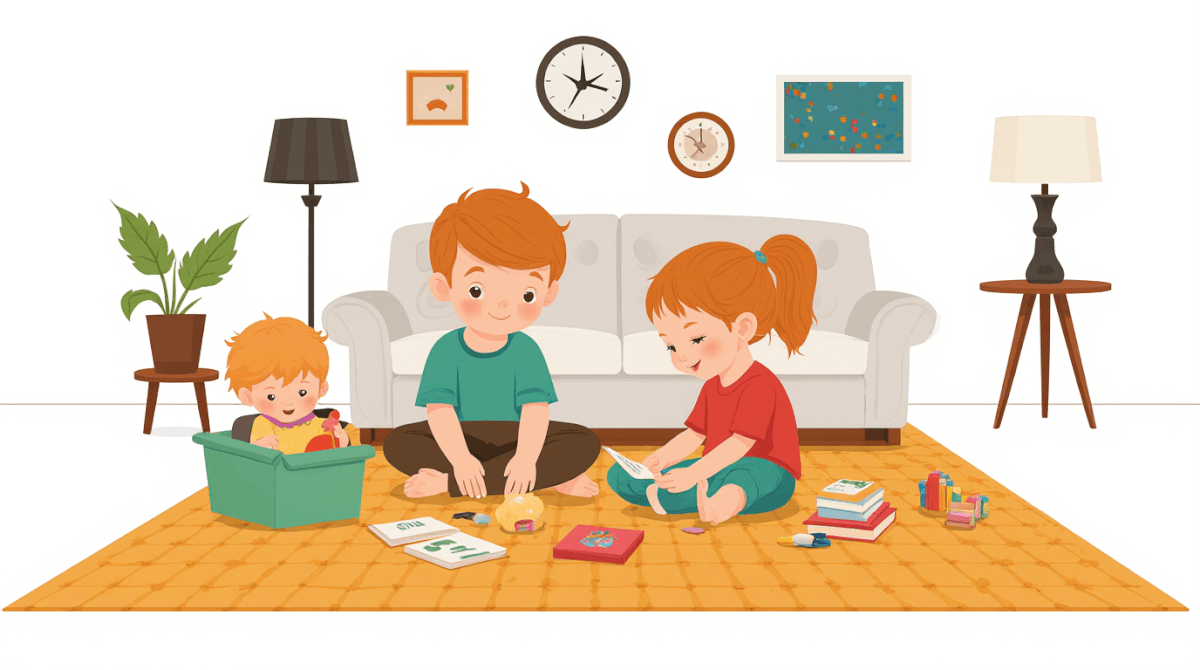
From the moment infants are born, they are exposed to a world where emotions are not just experienced but also observed and mirrored by caregivers. This mirror is crucial because it serves as the first mechanism through which emotional responsibility takes root. When a baby cries out of hunger or discomfort, a caregiver’s response—be it nurturing or dismissive—becomes an early lesson in how one’s emotions affect others. In this context, a responsive environment where caregivers validate and address the infant’s feelings teaches them that their emotions are important and can have consequences.
As children grow, these initial lessons are reinforced through social interactions at home, school, and within communities. The playground is a microcosm of society where children learn to navigate complex emotional landscapes. During a game of tag, one child might experience the thrill of being “it,” while another feels frustrated or upset. Through these experiences, children begin to understand that their actions can affect others’ emotions and that managing their own behavior is crucial for maintaining harmonious relationships.
The role of culture in shaping emotional responsibility cannot be overstated. Cultural norms and values profoundly influence how individuals perceive and express emotions. In some cultures, expressing anger openly might be seen as appropriate, while in others, it could be viewed as disruptive or disrespectful. A child growing up in a collectivist culture might learn that the group’s harmony is more important than individual emotional expression, teaching them to suppress their own needs for the sake of others. In an individualistic culture, expressing one’s feelings freely might be encouraged, fostering a sense of personal agency and self-awareness.
Early experiences also play a significant role in the formation of emotional responsibility. Events such as a parent getting fired or moving to a new home can significantly impact a child’s understanding of emotions and their ability to cope with change. A supportive environment where parents openly discuss their feelings and provide reassurance helps children develop resilience and emotional intelligence. When a family discusses how they are feeling about moving, the child learns that it is okay to share emotions and that such discussions can lead to problem-solving and mutual support.
The internalization of emotional values further strengthens the formation of emotional responsibility. As children grow older, they start to develop their own moral compass based on the principles instilled by caregivers, peers, and societal norms. These values guide their decisions about how to behave in various situations, ensuring that their actions align with expected behaviors. A child who has been taught that honesty is important will be more likely to tell the truth even when it might lead to negative consequences.
The classroom environment also plays a pivotal role in this process. Teachers and peers provide additional opportunities for children to practice emotional responsibility by discussing emotions, problem-solving conflicts, and engaging in cooperative activities. Role-playing scenarios can help children understand how their actions affect others, reinforcing the importance of empathy and self-regulation. A teacher who models emotional regulation and encourages students to do the same creates a supportive space where emotional literacy is valued.
Emotional responsibility also involves understanding and managing one’s own emotions, which becomes increasingly important as individuals enter adolescence and young adulthood. This self-awareness allows them to recognize when they are feeling overwhelmed or stressed and seek appropriate coping mechanisms. A teenager who understands that they get anxious in social situations can practice deep breathing techniques before attending parties, thereby reducing their anxiety and improving their overall experience.
The broader societal context further influences the development of emotional responsibility by shaping public discourse around emotions and behavior. Media, literature, and cultural artifacts often depict characters dealing with complex emotional issues, providing real-world examples for young people to emulate or avoid. This exposure helps them internalize societal expectations about how to handle different types of emotions.
The formation of emotional responsibility is a multifaceted process that emerges through social interactions, early experiences, cultural values, and personal development. Each step contributes uniquely to an individual’s ability to understand and manage their emotions responsibly, preparing them for more complex interpersonal relationships in adulthood. By fostering environments where emotions are openly discussed and valued, society can support the growth of emotionally responsible individuals who contribute positively to communities.



Be First to Comment