
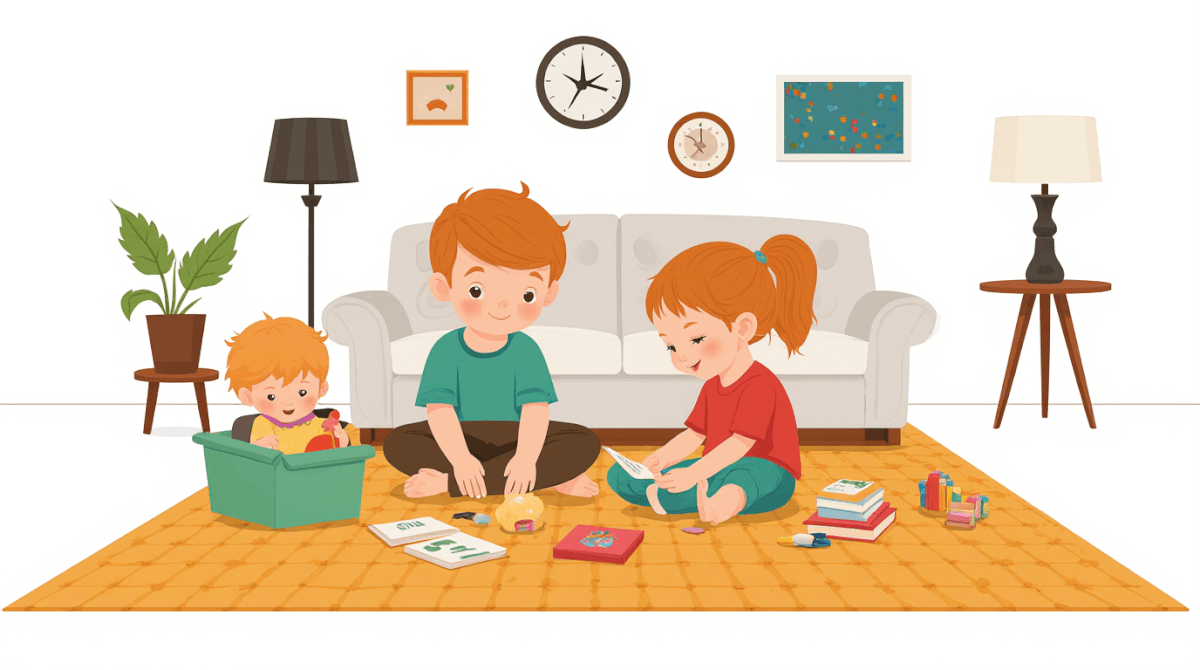
Emotional balance in a child’s life is fundamentally linked to the formation of daily routines. These routines provide a structured environment that influences development through predictable and consistent patterns, which help children understand and navigate their emotional landscape. By establishing regularity in activities such as meal times, bedtime rituals, and play schedules, routines allow for emotional regulation and resilience, contributing significantly to overall psychological well-being.
Routines serve as a stabilizing force in the lives of young individuals, offering a sense of security that is essential for emotional balance. Children who grow up with consistent daily patterns often exhibit better self-regulation skills. Knowing that dinner time comes after playtime and homework helps children anticipate transitions, reducing anxiety and promoting a smoother flow between different emotions and activities.
The environment in which these routines are established plays a crucial role. A nurturing home or caregiving setting where routines are warmly practiced can have profoundly positive effects on a child’s emotional development. The consistency of interactions, such as the way parents respond during mealtimes or bedtime stories, helps children learn to manage their emotions effectively. A caregiver who consistently reassures and comforts during bedtime might help a child develop a sense of safety that translates into improved emotional stability throughout the day.
Early experiences significantly shape how routines are internalized by children. These early interactions, such as shared reading or gentle play sessions, lay down neural pathways that affect future emotional responses. Regular positive reinforcement through these activities can build strong emotional bonds and resilience. A child who is comforted with a story before bed might carry this sense of security into other parts of their day, finding comfort in familiar routines even when faced with new challenges.
Routine-based activities also provide opportunities for children to practice and develop social skills. Participating in family rituals such as meal times or weekend outings can teach children how to interact positively with others and manage emotions during social interactions. This is particularly important as it helps them understand the nuances of emotional expressions and responses, contributing to a well-rounded personality. Sharing meals together not only nurtures physical health but also provides a platform for teaching empathy and understanding different perspectives.
Routines can be seen as tools that help children develop self-discipline and responsibility. Simple tasks such as setting the table or tidying up toys require children to take initiative, which in turn boosts their confidence and independence. This sense of control over daily activities is crucial for emotional balance, as it allows children to feel a sense of mastery over their environment. Having a child help with preparing simple meals can teach them about cause and effect, fostering a positive relationship between effort and outcome.
The cultural context in which these routines are practiced also plays a significant role. Different cultures have unique ways of integrating daily practices that reflect their values and beliefs. These practices can influence the way children perceive emotions and manage stress. Some cultures place emphasis on collective family activities during evenings, while others might prioritize individual quiet time. Both approaches provide valuable lessons in emotional management, albeit through different lenses.
Incorporating physical activity into routines is another important aspect of emotional balance development. Regular exercise can significantly impact a child’s mental health by reducing stress and improving mood. Simple activities like going for walks together or playing games can help children manage their emotions effectively. Taking a walk after dinner might offer a calming break from the day’s stresses, allowing children to reflect and decompress.
It is important to note that routines alone are not enough; they must be balanced with flexibility and responsiveness to individual needs. A rigid routine without room for adjustment can lead to increased stress when unexpected events occur. Caregivers should strive to create a balance between structured activities and moments of spontaneity. This approach allows children to experience both predictability and the joys of the unpredictable, fostering emotional resilience.
Routines play an essential role in shaping emotional balance through predictable patterns that provide security, social skills practice, self-discipline development, and cultural value integration. By incorporating these elements into daily life, caregivers can help children navigate their emotional landscapes more effectively, setting them up for success in managing emotions throughout their lives. The key is to maintain a balance between structure and flexibility, ensuring routines are not only consistent but also responsive to the evolving needs of each individual child.
References:
– “The Importance of Routines in Child Development.” National Association for the Education of Young Children (NAEYC), 2018.
– “Emotional Regulation and Routines: A Guide for Parents.” Zero to Three, 2020.


Be First to Comment