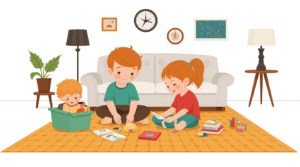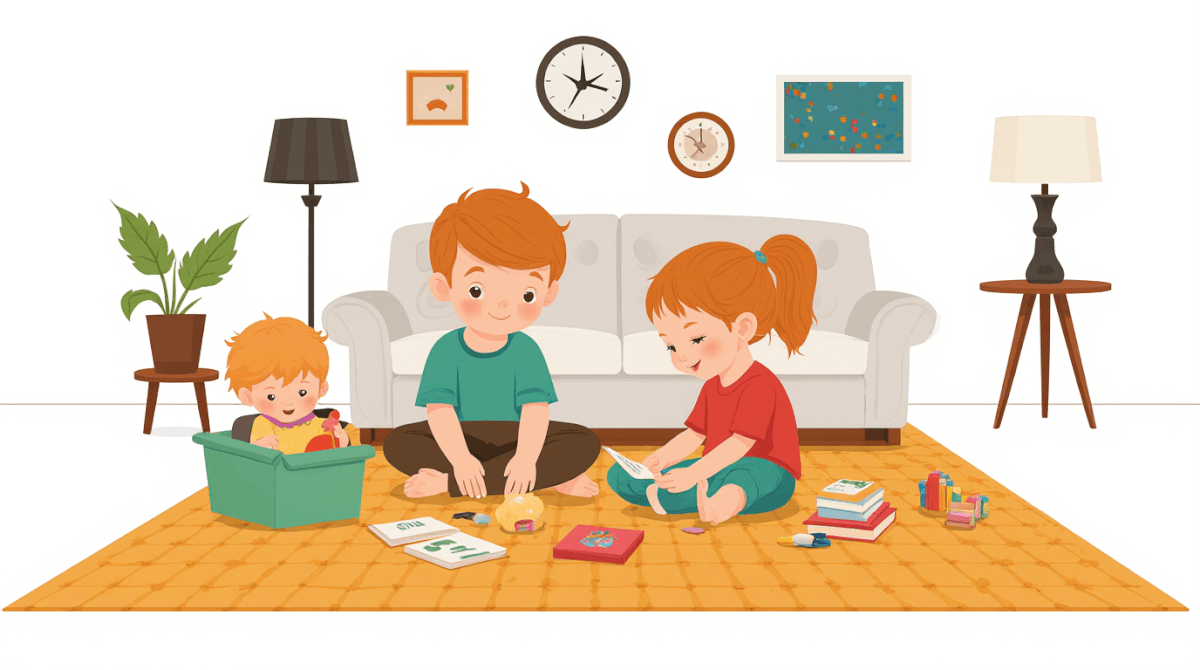
From the moment a child is born, the environment, particularly the presence and responsiveness of caregivers, plays a crucial role in establishing emotional security. A caregiver’s consistent availability and sensitivity to the child’s needs can create an atmosphere of trust. When a mother consistently soothes her crying baby with gentle touches and soft words, she reinforces the idea that her presence is a source of comfort. Over time, this repeated interaction creates a secure base from which the child can explore and interact with the world.
It is important to note that emotional security alone does not fully establish commitment. Confidence in one’s abilities and sense of self-worth are also essential components. A parent who encourages a toddler to attempt tasks like picking up toys or dressing themselves, while offering support without taking over, helps build the child’s confidence. These small acts of encouragement, coupled with occasional setbacks, teach the child that failure is part of learning and growth. This incremental process fosters a resilient sense of self and the belief that one can contribute meaningfully to their environment.
Identity formation in early years is another critical aspect of commitment. As children begin to understand themselves as distinct individuals, they start to explore various roles within their family and community. A child who regularly participates in family activities like cooking or gardening learns that they have a place and a role within the family unit. These experiences can instill a sense of belonging and purpose, contributing to a stronger commitment to the family and broader social contexts.
Self-regulation, which includes the ability to manage emotions and behaviors effectively, is further developed through these early interactions. A parent who models emotional regulation by staying calm during stressful situations, teaches the child how to navigate their own feelings in a constructive manner. When a child learns to recognize and express their emotions appropriately, they are better equipped to handle challenging situations. This internal process of self-regulation is crucial as it allows the child to engage more fully with the world around them, understanding that their actions have consequences.
The interplay between support and overprotection within these interactions is particularly nuanced. Providing adequate support ensures that the child feels safe and capable, fostering a sense of commitment to the family and broader social structures. Overprotection can stifle a child’s autonomy and resilience. A parent who constantly shields their child from minor setbacks or difficulties might prevent the child from learning the importance of perseverance. This can lead to a lack of confidence in one’s ability to handle challenges independently, potentially undermining the development of commitment.
Cultural and social contexts significantly influence these interactions. In some cultures, collectivist values may emphasize family unity and interdependence, potentially fostering stronger commitments within the family unit. Individualistic societies might prioritize personal achievement and independence, which can shape a child’s sense of self and commitment to various social roles. These broader contexts can either enhance or challenge the internalized mechanisms of commitment.
Repeated patterns in these interactions accumulate over time, gradually shaping the child’s emotional security, confidence, identity, and self-regulation. Each interaction, whether positive or negative, contributes to a cumulative process that defines how the child perceives their place in the world. Consistency in support and encouragement can lead to a more secure and committed individual, while inconsistent or overly protective behaviors might hinder these developments.
In essence, the formation of commitment in early years is a multifaceted process shaped by the quality and consistency of interactions within the family. These interactions lay the groundwork for emotional security, confidence, identity, and self-regulation, which collectively contribute to a child’s ability to form strong, meaningful commitments to their environment and community.
Related Reading
– Bessel van der Kolk — The Body Keeps the Score
– Peter Fonagy — Affect Regulation and Mentalization