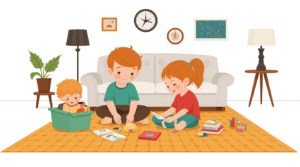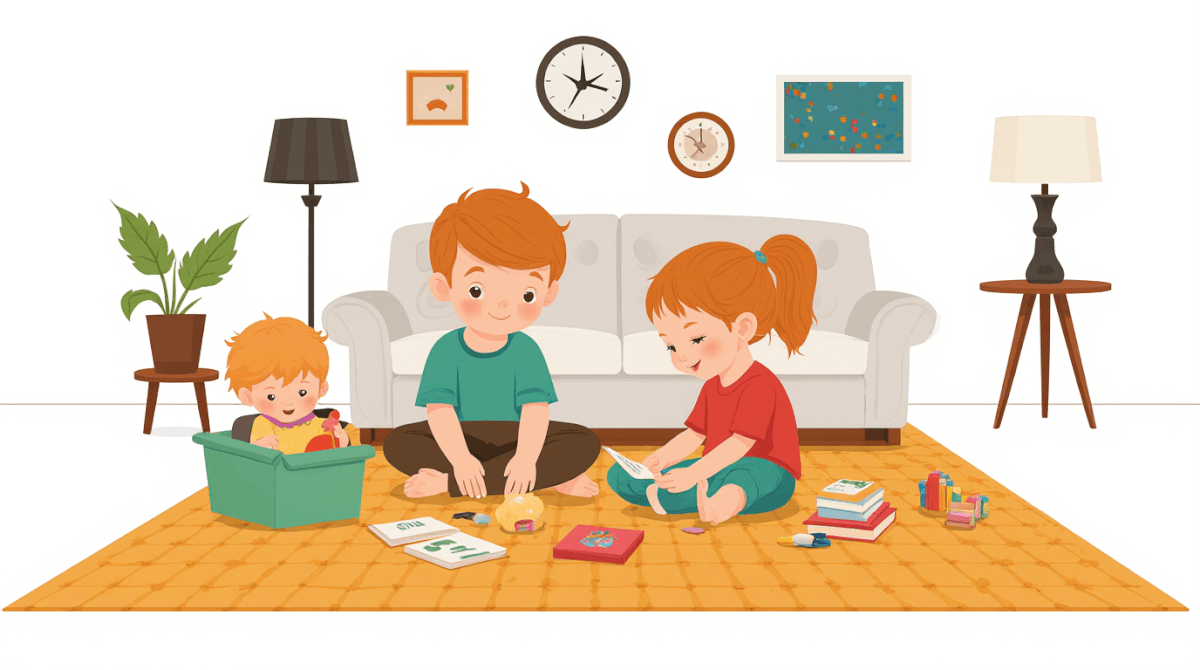
In the warm cocoon of home, children learn their first lessons in life—how to love, trust, and navigate the complex emotions that come with being a part of a family. These early experiences shape their emotional and psychological development in profound ways, influencing how they perceive themselves, others, and the world around them.
Affection is one of the most crucial elements in this process. When parents offer consistent, unconditional love, it creates a sense of safety and security that is essential for a child’s well-being. Imagine a cozy, familiar environment where a child knows, no matter what, they are loved and valued. This feeling of being cherished helps build a secure base from which the child can explore the world with confidence. It teaches them that their emotions are valid and that seeking comfort or reassurance is acceptable.
Think about a simple, everyday interaction. When a child falls and scrapes their knee, a parent who immediately comforts them, telling them they are strong and will heal, not only helps them feel better but also instills a belief in their resilience. This consistent pattern of support can lead to greater emotional regulation as the child grows. They learn to manage their feelings more effectively because they have witnessed someone else doing it, someone who cares about them deeply.
Consistency is another cornerstone. Consistent routines and expectations provide structure that gives children a predictable sense of order. This predictability is vital for their developing minds. When children know what to expect—when meals are served at the same time each day, when bedtime stories are read at a specific hour—they learn to anticipate and manage their environment. This predictability can be calming and helps them develop a sense of control over their lives.
Consider the example of a family that maintains a regular bedtime routine. Every evening, parents read stories, tuck children into bed, and say goodnight with a kiss. Over time, this routine becomes a ritual of comfort and security. Children learn to look forward to these moments, which not only helps them wind down at the end of the day but also reinforces the idea that their world is stable and reliable.
Support is another critical factor. Children need to know that they have a network of people who will help them through challenges. When parents are attentive and available, children feel empowered to share their thoughts and feelings. This sharing can lead to better emotional expression and understanding. When a child is upset about a friend moving away, a parent who listens and offers advice or reassurance helps the child process their emotions and find ways to cope.
Structure, too, plays an essential role in shaping a child’s development. It provides a framework within which children can explore and learn. Structured activities, like family game nights or outdoor adventures, not only promote physical and mental health but also foster social skills and teamwork. These activities can help children develop a sense of belonging and purpose. A family that regularly plays board games together might find that the child learns to take turns, share, and be patient—values that are crucial in any social setting.
Family relationships also teach children how to handle conflict and adversity. When disagreements arise, children learn by observing their parents’ methods of resolving them. If parents demonstrate calm and respectful communication, children are more likely to adopt these behaviors themselves. When a parent addresses a disagreement with another family member without raising their voice or resorting to insults, they are teaching the child that differences can be handled constructively.
Family relationships provide a mirror for self-awareness. Children often mirror the behavior and attitudes of their parents. When parents show empathy, kindness, and resilience, children learn these qualities too. A parent who models patience and understanding in the face of challenges is likely to raise a child who approaches life with a similar perspective.
The fabric of family relationships weaves a complex tapestry that significantly influences a child’s emotional and psychological development. Consistent affection, supportive structure, and the stability of routines create a nurturing environment where children can grow into confident, resilient individuals. As we reflect on our own interactions with our children, we realize the power of these everyday moments to shape the people they will become. By fostering love, consistency, support, and structure, we equip them with the tools they need to navigate life’s challenges with grace and strength.
Related Reading
– Laurence Steinberg — Age of Opportunity
– Jean Piaget — The Psychology of the Child