
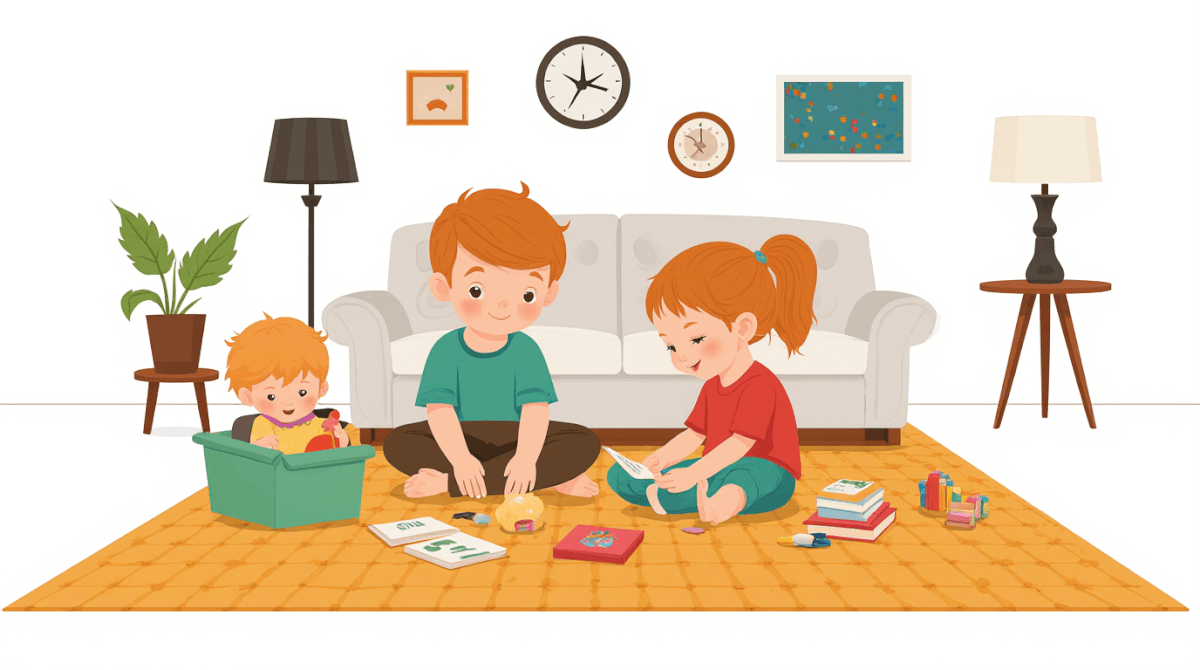
Positive emotions such as joy, pride, and excitement serve as building blocks for confidence. When a child successfully solves a puzzle or wins a game, they experience satisfaction and happiness—emotions that contribute to their belief in their abilities. Over time, these positive experiences create an internal emotional structure where the individual associates success with self-worth. This association is further reinforced through consistent validation from significant others, such as parents or teachers.
The process of developing this emotional structure begins at a very young age. Imagine a scenario where a toddler learns to ride a bike with the encouragement and gentle support of their parent. Each successful attempt increases the child’s joy and sense of accomplishment. These positive emotions are then stored in the child’s memory, reinforcing the belief that they can handle challenges independently.
This emotional structure is not merely about immediate success but also includes understanding failure as part of growth. Children need to experience both triumphs and setbacks in a supportive environment to develop a robust confidence. If a young athlete faces disappointment after losing a game, a caring coach or parent might provide encouragement by praising their effort rather than just the outcome. Over time, this approach helps the child view failures as opportunities for learning rather than indicators of incompetence.
The role of emotional regulation in building this structure is significant. Children learn to manage their emotions through interactions that teach them how to respond to both positive and negative feedback. When a student receives constructive criticism on an assignment, they are taught not only what to improve but also how to feel about the process. This includes recognizing that it’s okay to experience frustration and still be capable of achieving success.
Cultural and social contexts play a vital role in shaping this emotional structure. In many cultures, storytelling is used as a tool for transmitting values and expectations. Stories often depict characters who face challenges but ultimately succeed due to their perseverance and self-belief. Listening to such narratives can influence how children view themselves and their potential. Tales of explorers or scientists facing obstacles and achieving great things inspire young minds, reinforcing the idea that success is attainable with determination.
Environments lacking support or validation can hinder the development of this emotional structure. A child who consistently receives negative feedback might develop a fragile sense of self-worth, believing that their efforts are not enough to succeed. Over time, such experiences can lead to feelings of inadequacy and a reluctance to take on new challenges.
The influence of peer relationships is also significant. Peers often play a crucial role in validating or challenging an individual’s self-perception. In school settings, students who receive positive feedback from their peers are more likely to develop a confident emotional structure. A child might feel proud and supported when classmates praise them for helping others during a project.
Negative peer interactions can have detrimental effects. Bullying or exclusion can lead to feelings of isolation and low self-esteem, which may undermine an individual’s confidence. It is important for adults in these environments—such as teachers and counselors—to recognize and address such issues promptly to ensure that all children feel valued and supported.
The emotional structure supporting confidence also evolves over time. As children grow older, they begin to internalize the positive emotions associated with success more deeply. This process can be seen in how teenagers approach tasks and challenges. A teenager who has consistently received praise for academic achievements may develop an intrinsic motivation to continue excelling, driven by the emotional satisfaction of performing well.
This structure affects not only personal confidence but also interpersonal relationships. Individuals with strong emotional support structures are more likely to engage in collaborative activities and form meaningful connections. They approach social interactions with greater openness and trust, understanding that failure is part of the learning process and that everyone has unique strengths and weaknesses.
The emotional structure supporting confidence is a dynamic process shaped by early experiences, environmental factors, and cultural contexts. Positive emotions such as joy, pride, and encouragement play pivotal roles in building this structure, while negative feedback or lack of support can hinder its development. By fostering an environment that values effort over outcomes and provides consistent validation, individuals can develop robust emotional structures that contribute to their overall well-being and success.
In summary, the mechanism through which positive emotions influence confidence is multifaceted. It involves not only immediate experiences but also long-term internalization of these feelings into a belief system that shapes one’s self-perception and approach to challenges. This process highlights the importance of supportive relationships and culturally rich environments in nurturing emotional structures that support personal growth and resilience.
References:
1. Seligman, M. E. P., & Csikszentmihalyi, M. (2000). Positive psychology: An introduction. *American Psychologist*, 55(1), 5-14.
2. Seligman, M. E. P. (2011). Flourish: A visionary new understanding of happiness and well-being. Simon & Schuster.




Be First to Comment