
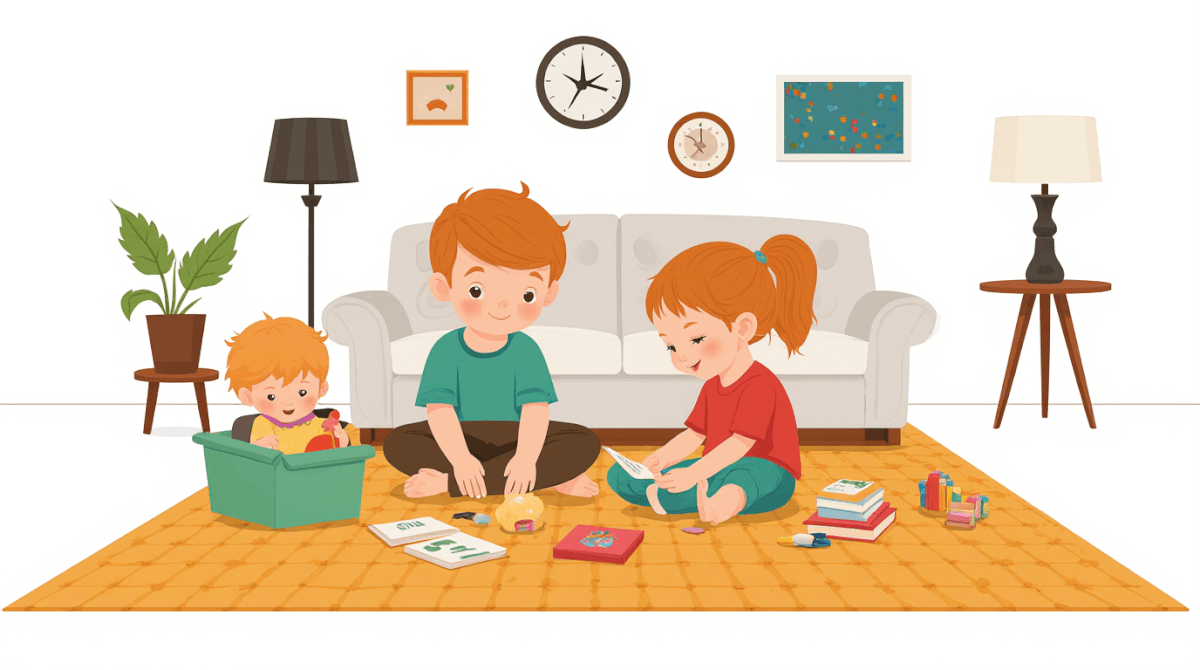
One of the primary mechanisms through which emotional safety shapes growing minds is by fostering secure attachment between a child and their caregivers. Secure attachment occurs when a caregiver consistently responds to a child’s needs, offering comfort, reassurance, and support in times of distress. This relationship creates an internal sense of safety that allows children to explore their environment confidently.
Consider a young child named Lily who is separated from her mother at the grocery store. If her mother returns quickly to soothe her and reassure her that she is safe, Lily’s heart rate will likely return to normal faster, and she may even begin playing with other toys nearby. If Lily’s mother is unavailable or dismissive, she might become distressed and have difficulty calming down, possibly leading to increased stress hormones like cortisol in her body.
Research has shown that children who experience secure attachment are more resilient and better equipped to handle challenges (Ainsworth, 1967). They develop a positive self-image, trust others easily, and exhibit fewer behavioral problems. Securely attached children are also more likely to form healthy relationships later in life because they have learned to rely on others for support.
Emotional safety is crucial in developing cognitive skills. Children who feel secure with their caregivers are more open to exploring new ideas and learning experiences without fear of failure or rejection. A child who feels emotionally safe may be more willing to ask questions during class discussions or participate in classroom activities that require social interaction.
Children who experience emotional neglect or instability often struggle academically due to heightened stress levels. Chronic exposure to high cortisol levels can impair the hippocampus, leading to difficulties with memory and learning (McEwen, 2017). These children might become withdrawn, anxious, or hyperactive in class, making it harder for them to focus on their studies.
Emotional safety also plays a vital role in shaping social skills. Children who feel emotionally safe are more likely to form healthy relationships because they have learned how to communicate effectively and handle conflicts without resorting to aggression or withdrawal. A child named Max may be more inclined to share his toys with others during playtime if he feels secure that his friends will return the favor. Children who experience emotional instability may struggle to maintain friendships due to unpredictable mood swings or aggressive behavior.
Emotionally safe environments encourage empathy and compassion in children. Children who grow up feeling loved and understood are more likely to develop a sense of social responsibility and care for others. This is because they learn to recognize the emotions of those around them and respond with kindness and understanding. A child who sees their parents help neighbors or volunteers at community events may internalize these behaviors and become more compassionate themselves.
Children who experience emotional neglect or abuse often struggle to develop empathy. They might become desensitized to others’ emotions, leading them to treat people as objects rather than human beings with feelings. This can result in bullying behavior or a lack of interest in others’ well-being, which can have long-lasting negative impacts on their social relationships.
Another important aspect of emotional safety is its role in shaping self-regulation skills. Children who feel emotionally safe are more likely to develop effective coping mechanisms for managing their emotions and behaviors. If a child experiences disappointment or frustration, they may be able to express these feelings through appropriate channels such as talking to a trusted adult or engaging in physical activity like running around the playground.
Children who experience emotional instability might struggle with self-regulation due to heightened stress levels. They may become easily overwhelmed and lash out at others, leading to conflicts that could have been avoided if they had more support and guidance. Over time, these behaviors can lead to a cycle of negative interactions that further undermine their ability to form healthy relationships.
Additionally, emotional safety fosters creativity and imagination in children. A secure environment allows children to explore new ideas without fear of judgment or rejection. This is crucial for developing problem-solving skills and innovative thinking. A child who feels emotionally safe may be more likely to engage in pretend play, where they can experiment with different roles and scenarios, leading to enhanced cognitive flexibility.
Children who experience emotional neglect might become overly cautious, limiting their exploration of new ideas out of fear of making mistakes or being criticized. This can stifle their creativity and hinder their ability to think outside the box.
Emotional safety also plays a key role in mental health development. Children who feel emotionally safe are more likely to develop resilience against stressors that may arise throughout their lives. They learn to view challenges as opportunities for growth rather than insurmountable obstacles. If a child faces a difficult situation at school, they might be able to approach it with confidence and a positive attitude, knowing that their parents or caregivers are there to support them.
Children who experience emotional instability may develop mental health issues such as anxiety or depression due to constant exposure to stressors. Chronic stress can lead to feelings of helplessness and hopelessness, making it harder for them to cope with everyday challenges. This can result in a negative cycle where they become more vulnerable to further emotional distress.
Emotionally safe environments promote healthy identity formation. Children who feel secure are more likely to develop a positive self-image and a strong sense of self-worth. They learn to value their own unique qualities and strengths, leading to greater confidence and self-esteem. If a child feels appreciated for their artistic talents, they may become more passionate about pursuing creative endeavors.
Children who experience emotional neglect or abuse might struggle with negative self-perceptions, constantly doubting their abilities and feeling unworthy of love or success. This can lead to low self-esteem, which can hinder their academic performance, social relationships, and overall well-being.
Lastly, emotionally safe environments contribute to the development of moral reasoning. Children who feel secure are more likely to develop a strong sense of right and wrong, leading to ethical behavior in various contexts. They learn to consider the impact of their actions on others and strive to make positive contributions to society. If a child feels supported when they help a classmate struggling with homework, they may internalize this behavior and continue to offer assistance even when it is not explicitly asked for.
Children who experience emotional instability might struggle with moral reasoning due to inconsistent parenting or exposure to negative influences. They may lack clear guidance on what constitutes appropriate behavior, leading to confusion and potential misbehavior.
The emotional safety that shapes growing minds is a critical mechanism in child development. It fosters secure attachment, cognitive skills, social abilities, self-regulation, creativity, mental health, identity formation, and moral reasoning. By creating emotionally safe environments, caregivers can provide children with the foundation they need to thrive both personally and socially. While this essay has focused on the mechanisms through which emotional safety influences development, it is essential for parents and educators to recognize its importance in shaping a child’s overall well-being.
Ainsworth, M. D. S. (1967). Patterns of attachment: A psychological study of the Strange Situation. University of Maryland Press.
McEwen, B. S. (2017). Physiology and neurobiology of stress and adaptation: Translational relevance to mental illness. Neuropsychopharmacology, 42(8), 669-712.
Related Reading
– Erik Erikson — Childhood and Society
– Lawrence Kohlberg — Essays on Moral Development




Be First to Comment