
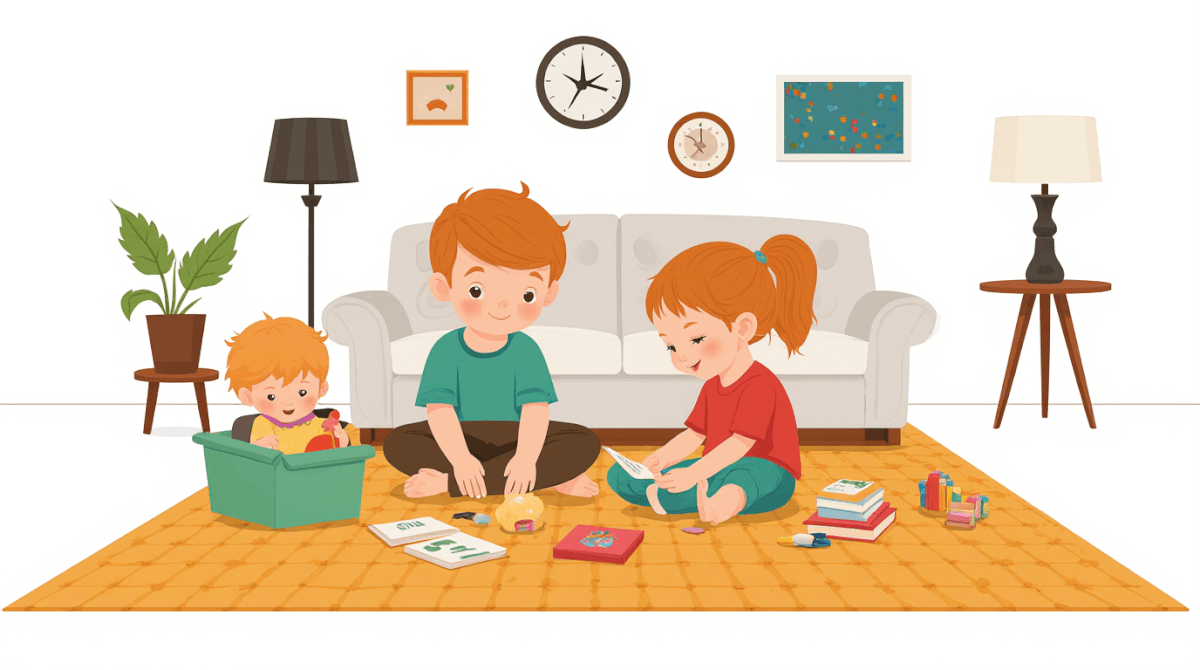
The emotional roots of secure development are deeply intertwined with the early experiences and environmental factors that shape a child’s emotional security. This process is not just about building trust between a caregiver and a child but also about developing the psychological foundation necessary for healthy interpersonal relationships, resilience, and overall well-being throughout life. Secure attachment, as proposed by psychologists like John Bowlby and Mary Ainsworth, is a critical mechanism through which these roots are established.
Attachment theory posits that infants have an innate need to form strong emotional bonds with caregivers for survival and growth. This bond provides the child with a sense of safety, stability, and predictability in their environment. The quality of this attachment significantly influences how children navigate social interactions and cope with stressors as they grow older. A secure attachment fosters emotional resilience, enabling individuals to face challenges with confidence.
To understand how the environment and early experiences influence development through secure attachment, we must first explore the nature of these attachments themselves. When a caregiver consistently responds to an infant’s needs—such as providing comfort during distress or feeding—this interaction strengthens the child’s belief in their safety within the world. This nurturing relationship creates what psychologists call “internal working models” that serve as cognitive blueprints for future relationships.
Consider a baby named Alex who grows up with a caregiver who is consistently attuned to his needs. When Alex cries, this caregiver promptly responds by holding him and soothing him back to calmness. Over time, these interactions become internalized within Alex’s psyche, forming a core belief that the world is a predictable and safe place where his needs will be met. This secure base allows Alex to explore his environment more freely, knowing he can return to his caregiver for comfort when needed.
Children who experience inconsistent or neglectful caregiving may develop insecure attachments. In environments where caregivers are often preoccupied with their own stressors and unable to consistently respond to a child’s needs, the child may learn that the world is an unpredictable place where one’s emotional safety cannot be guaranteed. This can lead to feelings of anxiety and uncertainty, which persist into adulthood.
The development of secure attachment does not occur in isolation; it is deeply influenced by cultural contexts and societal norms. In societies that prioritize communal care and collective responsibility, children are more likely to develop a sense of security from multiple sources beyond just primary caregivers. This broader social support network can contribute to a stronger foundation of emotional security.
The early experiences of secure attachment extend their influence well into adulthood. Adults who experienced secure attachments in childhood tend to have healthier romantic relationships and better coping mechanisms for stress. They are more likely to form trusting connections with others and navigate complex interpersonal dynamics with ease. These individuals often exhibit greater empathy and are better equipped to manage emotional challenges, contributing positively to both personal and professional aspects of their lives.
Those who experienced insecure attachments may struggle with trust issues in relationships and find it challenging to open up emotionally. This can manifest as difficulties in forming lasting connections or even lead to avoidant behaviors where individuals push others away before they feel hurt. These patterns can have profound impacts on mental health, leading to conditions like anxiety and depression.
The interplay between secure attachment and emotional resilience is particularly significant. Securely attached individuals are better able to manage stressful situations because they possess a well-developed sense of safety within themselves and their relationships. They internalize coping strategies from early interactions that help them navigate life’s challenges. When faced with a difficult work situation, someone with secure attachment might seek support from trusted colleagues or seek solutions by drawing upon past experiences where caregivers provided guidance.
Those lacking in secure attachments may resort to less adaptive coping mechanisms such as avoidance or anger, which can be detrimental both emotionally and socially. These patterns often stem from unresolved issues rooted in early childhood relationships, perpetuating cycles of emotional instability.
The emotional roots of secure development are foundational for healthy growth and well-being. Through consistent, responsive caregiving and nurturing environments, children build internal models that form the basis for trust and security. These emotional underpinnings significantly influence their ability to navigate life’s challenges and maintain positive interpersonal relationships. While cultural contexts shape these experiences, it is crucial to recognize the lasting impact of early attachment on long-term development. Understanding this process can offer valuable insights into fostering secure attachments and promoting emotional resilience in both individuals and communities.
As research continues to uncover more about the complexities of secure development, one thing remains clear: nurturing environments that prioritize emotional safety are essential for healthy growth and well-being. While parents and caregivers play a critical role, broader societal support structures also contribute to creating these emotionally rich spaces where children can thrive. By recognizing the importance of early attachment experiences, we can work towards building more supportive communities that nurture secure development across generations.
References:
Bowlby, J. (1988). A Secure Base: Parent-Child Attachment and Healthy Human Development. Basic Books.
Ainsworth, M. D. S., Blehar, M. C., Waters, E., & Wall, S. (1978). Patterns of Attachment: A Psychological Study of the Strange Situation. Erlbaum.




Be First to Comment