From the first moments of life, a newborn’s cries for attention and care are met with varying responses from caregivers. These responses, whether immediate and nurturing or delayed and distant, begin to shape the baby’s developing emotional landscape. When a caregiver consistently attends to the infant’s needs with warmth and affection, the child learns that their world is a place of safety and trust. This early bond forms a secure base from which the child can explore the environment, knowing that a safe harbor awaits should any threat arise.
As the child grows, the emotional security established during infancy continues to influence their interactions. When a parent consistently recognizes and validates the child’s emotions, whether through soothing or encouraging words, the child internalizes these experiences as evidence of their worth. Over time, this internalization fosters a sense of self-worth that becomes a cornerstone of the child’s identity. The child learns to view themselves as capable and worthy individuals, setting the stage for confidence in their abilities and decisions.
Not all emotional memories are positive. In situations where a caregiver is overly protective or critical, the child may develop an insecure attachment style. Overprotection can lead to a child feeling smothered, preventing them from exploring and learning independently. This can result in feelings of anxiety and inadequacy as the child struggles with the balance between seeking safety and venturing into the unknown. Excessive criticism can undermine a child’s self-esteem, making them overly sensitive to rejection or failure. This internalized negativity can persist into adulthood, affecting their ability to form healthy relationships and make confident choices.
The repeated patterns of interaction within the family context become ingrained in the child’s psychological makeup. When a parent consistently acknowledges and rewards the child’s achievements, whether big or small, the child begins to associate success with positive emotions and self-worth. Over time, this association reinforces a pattern of self-efficacy that carries into adulthood, where the individual may approach challenges with a sense of determination and resilience.
When a caregiver is inconsistent in their responses, the child may experience a rollercoaster of emotions, leading to a less stable sense of self. Inconsistent support can result in the child developing ambivalent or avoidant attachment styles. Ambivalent children may become overly dependent on others for validation, while avoidant children might withdraw and suppress their emotions to avoid potential disappointment. These patterns can manifest in adulthood as a tendency to seek constant reassurance or a reluctance to engage deeply with others.
The emotional memory that shapes adulthood is also influenced by the broader social and cultural context in which these interactions occur. Family values, societal norms, and cultural expectations all play a role in shaping a child’s understanding of appropriate behavior and emotional expression. In a culture that emphasizes independence and self-reliance, a child may learn to navigate challenges on their own, developing a strong sense of autonomy. In a collectivist culture where interdependence is valued, the child may learn to prioritize relationships and social harmony.
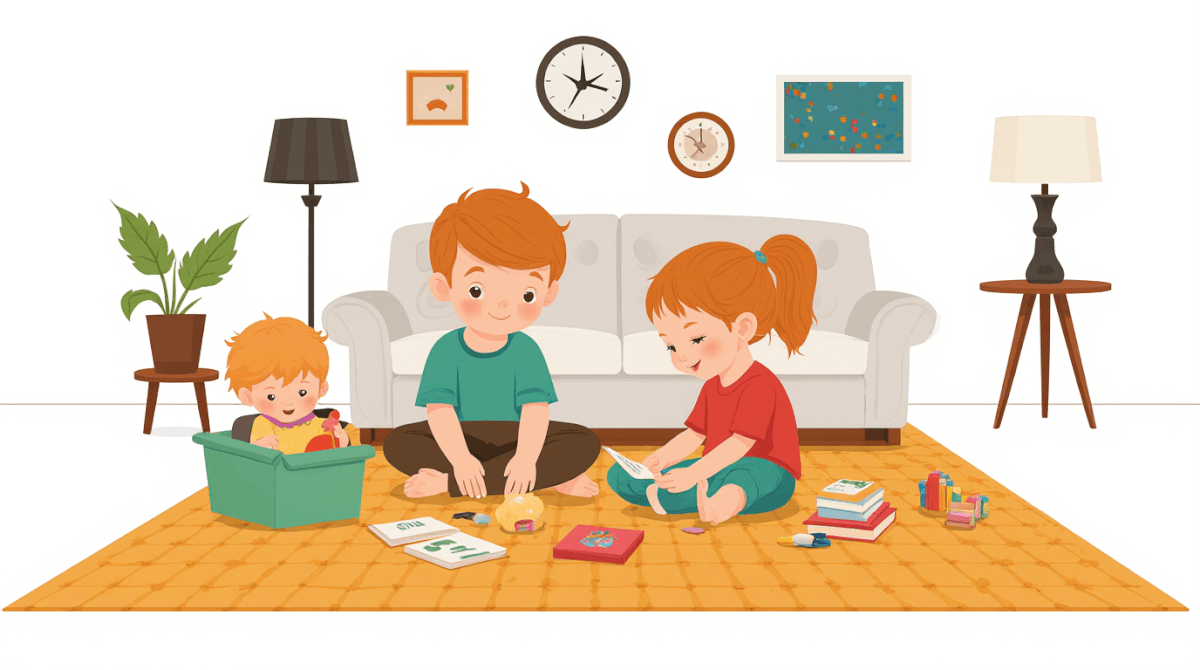
These cultural influences can be seen in everyday family interactions. When a family gathers for dinner, the warmth and inclusiveness of the gathering may reinforce feelings of belonging and acceptance. A tense family environment marked by frequent conflicts or emotional distance can lead to feelings of isolation and vulnerability. Over time, these experiences shape the child’s expectations of social interactions, influencing their ability to form and maintain relationships in adulthood.
The emotional memory that shapes adulthood is not solely determined by positive or negative experiences; it is a dynamic interplay of both. The child’s capacity for resilience can be significantly enhanced when they encounter both challenges and support. When a child faces a setback but receives constructive feedback and encouragement from their caregiver, they learn to cope with adversity in a healthy way. This experience fosters a growth mindset, where the child views challenges as opportunities for learning and development.
The emotional memory that shapes adulthood is also shaped by the child’s own internal processes of self-regulation. As children grow, they develop strategies for managing their emotions and behaviors. These strategies are often influenced by the modeling and guidance provided by caregivers. When a parent teaches problem-solving skills and emotional regulation techniques, the child learns to navigate difficult situations with greater ease. This internalization of self-regulation skills is crucial in shaping the child’s ability to manage stress and maintain emotional balance throughout their life.
Tension can arise when there are conflicting needs or expectations within the family. While a parent may encourage independence, they might also have a strong need for control over certain aspects of their child’s life. This tension can create a sense of inner conflict in the child, leading to feelings of confusion and uncertainty about their role and identity. Over time, these unresolved conflicts can result in patterns of behavior that persist into adulthood, such as a tendency to rebel against authority or an excessive need for approval.
The emotional memory that shapes adulthood is a lifelong process that continues to evolve as the individual encounters new experiences and relationships. The patterns established during childhood provide a foundation but are not fixed. Throughout adolescence and beyond, individuals continue to integrate new experiences and learn from them, refining their understanding of themselves and the world around them.
The emotional memory that shapes adulthood is a complex and interwoven tapestry of early interactions, cultural influences, and individual experiences. The everyday family interactions that occur during childhood lay the groundwork for emotional security, confidence, identity, and self-regulation. While positive and negative experiences can both contribute to this shaping process, it is the repeated patterns of interaction that ultimately define the child’s internal world and guide their journey into adulthood.
Related Reading
– Daniel Kahneman — Thinking, Fast and Slow (developmental implications)
– Bessel van der Kolk — The Body Keeps the Score