
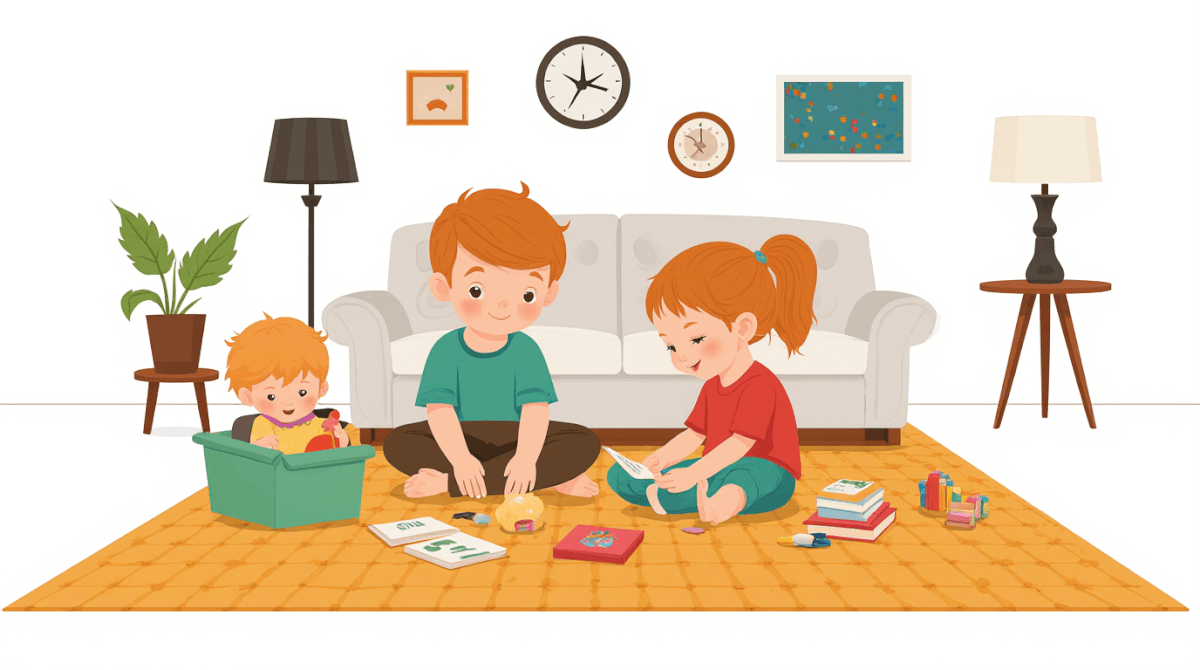
Children need reliable support to feel safe and secure, allowing them to engage with the world without constant fear of abandonment or rejection. This support is particularly critical during the first few years of life when children are highly dependent on caregivers for their basic needs. When a mother consistently responds promptly to her baby’s cries by providing comfort and nurturing, she creates an environment where the child feels safe and loved. Such experiences foster trust in others and promote emotional resilience.
The mechanisms through which reliable support influences development can be understood by examining the psychological concept of attachment theory. John Bowlby first introduced this theory, which emphasizes the importance of early relationships for healthy emotional growth. According to Bowlby, children form attachments with their primary caregivers based on the quality and consistency of care received. Securely attached children develop a sense of trust that enables them to explore confidently while knowing they have a safe base to return to.
Consider an example where a child frequently receives consistent, warm responses from her caregiver when she is distressed or scared. This child learns that help and comfort are available, which strengthens her emotional security. Over time, this secure attachment can translate into better social interactions in school settings, as the child feels more confident seeking assistance or expressing herself openly.
Reliable support also plays a crucial role in developing children’s self-esteem and self-worth. When caregivers offer validation and encouragement, children begin to internalize these positive messages. If a caregiver acknowledges a toddler’s first words with joy and excitement, it reinforces the child’s sense of being valued and capable. This reinforcement can have long-lasting effects on how the child perceives herself and her abilities.
Reliable support helps shape emotional regulation skills. Children learn to manage their feelings and behaviors through interactions with supportive adults. When a caregiver teaches coping strategies during challenging situations—such as helping a child take deep breaths or use words to express anger—they are not only addressing immediate emotional needs but also equipping the child with tools for self-regulation. Over time, these skills become internalized, contributing to better mental health and overall well-being.
The environment and early experiences significantly influence how reliable support is perceived and integrated into a child’s psyche. Children growing up in environments where caregivers are consistently available and responsive tend to develop more secure attachments. Those in less stable or abusive situations may struggle with forming trusting relationships due to inconsistent or absent care. These early impressions can have lasting impacts on future emotional responses and behavior patterns.
Cultural factors also play a role in shaping the concept of reliable support. Different cultures may place varying degrees of emphasis on communal versus individualistic parenting styles, which can influence the type and amount of support children receive. In some cultures, extended family members or community groups provide significant emotional support, while in others, the primary focus might be on parental care. These differing cultural expectations affect how children interpret and respond to the concept of reliable support.
The quality and consistency of early experiences can either reinforce or undermine a child’s ability to form secure attachments. A nurturing environment where caregivers are attentive and responsive helps build strong emotional bonds. Neglectful or abusive environments can lead to insecure attachments, making it harder for children to trust others later in life. The long-term consequences of such experiences can manifest as difficulties in forming intimate relationships, higher rates of anxiety and depression, and challenges in academic performance.
Reliable support during early childhood is crucial for fostering emotional security, self-esteem, and effective emotional regulation. Through consistent and nurturing interactions with caregivers, children develop the capacity to form secure attachments that serve as a foundation for healthy social relationships and overall well-being. While environmental factors such as cultural expectations and personal experiences significantly influence this process, the core importance of reliable support remains constant. By providing a safe and loving environment, parents and caregivers can lay the groundwork for children’s emotional resilience and success in navigating life’s challenges.
References:
1. Bowlby, J. (1969). Attachment and Loss: Vol. 1. Attachment. Basic Books.
2. Ainsworth, M. D. S., Blehar, M. C., Waters, E., & Wall, S. (1978). Patterns of attachment: A psychological study of the strange situation. Erlbaum.




Be First to Comment