
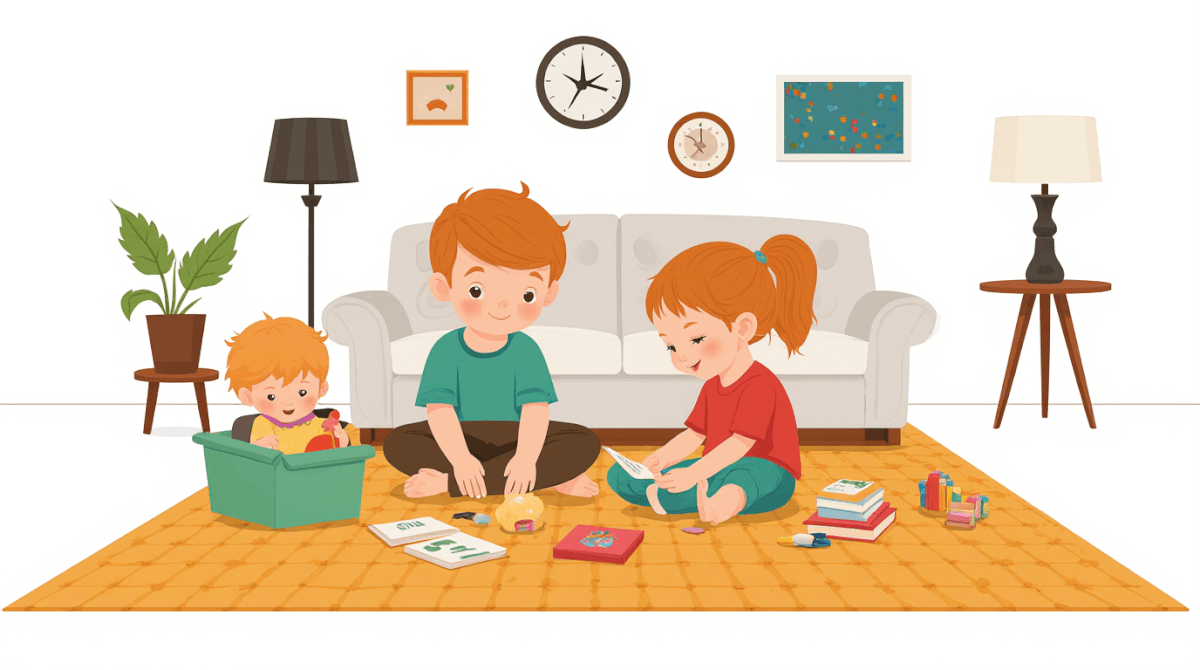
The emotional impact of a stable family life plays a crucial role in shaping the overall development of individuals from childhood into adulthood. This stability does not merely refer to physical safety and security but encompasses a broader array of factors such as consistent parental presence, predictable routines, and mutual respect within the household. A stable home environment fosters an atmosphere conducive to emotional well-being, which significantly influences cognitive, social, and behavioral development in children. By examining the mechanism through which this stability shapes emotional resilience, one can understand how it acts as a protective factor against stress and trauma.
A stable family life primarily creates a secure base for children. When children experience consistent love, care, and support from their parents or guardians, they develop a sense of safety that extends beyond the immediate family to their broader social interactions. This emotional security is crucial because it helps children navigate challenges with confidence rather than anxiety. A child who consistently experiences warmth and understanding at home is more likely to approach new situations with optimism and resilience, whereas one who frequently faces neglect or conflict may struggle with trust issues and self-doubt.
The stability within a family provides predictability in daily routines. Routines such as regular meal times, bedtimes, and school schedules create an environment where children know what to expect. This predictability is vital for emotional regulation because it helps children understand their place in the world and gives them a sense of control over their lives. Knowing that homework will be done at 6 PM every night allows a child to manage their time effectively and reduces stress when unexpected events occur.
In addition to creating a secure base and providing predictability, a stable family environment also promotes positive social interactions among siblings or between parents and children. These interactions can range from sharing meals together to engaging in play activities. When families encourage open communication and mutual respect, they create an atmosphere where emotional expression is valued. During meal times, discussing the day’s events helps children learn how to articulate their feelings and thoughts, which is essential for healthy social development.
The positive interactions within a stable family also contribute significantly to cognitive development by providing a rich environment that stimulates curiosity and creativity. When children are exposed to various discussions and experiences at home, they develop critical thinking skills and a broader understanding of the world around them. Engaging in storytelling or playing board games can enhance memory and problem-solving abilities, fostering intellectual growth.
Unstable family environments often lack these supportive elements, leading to heightened emotional stress for children. In homes where there is frequent conflict, inconsistent care, or neglect, children may develop coping mechanisms that are maladaptive over time. Children from such backgrounds might withdraw emotionally or adopt aggressive behaviors as a way of dealing with constant unpredictability. These responses can have long-lasting effects on their ability to form healthy relationships and manage stress effectively in adulthood.
The emotional impact of stable family life is evident not only during childhood but also throughout the lifespan. Adults who grew up in stable homes often exhibit better mental health outcomes, higher levels of self-esteem, and stronger interpersonal skills compared to those from unstable environments. This is because the early experiences of stability shape core psychological traits that influence later behavior and emotional responses.
To illustrate, consider a child who has always lived with two loving parents who set consistent boundaries and offer support during difficult times. Such an upbringing can foster resilience, enabling the individual to face life’s challenges more confidently. Children from unstable homes may struggle with anxiety or depression due to the constant uncertainty they experienced growing up.
The emotional impact of a stable family life is profound and multifaceted, influencing cognitive, social, and behavioral development in numerous ways. By creating a secure base for emotional security, providing predictable routines that aid in emotional regulation, promoting positive social interactions, and stimulating cognitive growth through various activities, families play a critical role in shaping their children’s emotional resilience. This stability acts as a protective factor against stress and trauma, setting the foundation for healthier relationships and overall well-being throughout life.
In summary, the emotional impact of stable family life is not just about providing physical safety but also about creating an environment where children can develop emotionally strong and resilient individuals capable of navigating life’s challenges with confidence. This mechanism ensures that families become the first line of defense against emotional distress, laying down a solid foundation for positive development.
Related Reading
– Bruce D. Perry — The Boy Who Was Raised as a Dog
– Donald Winnicott — Playing and Reality


Be First to Comment