
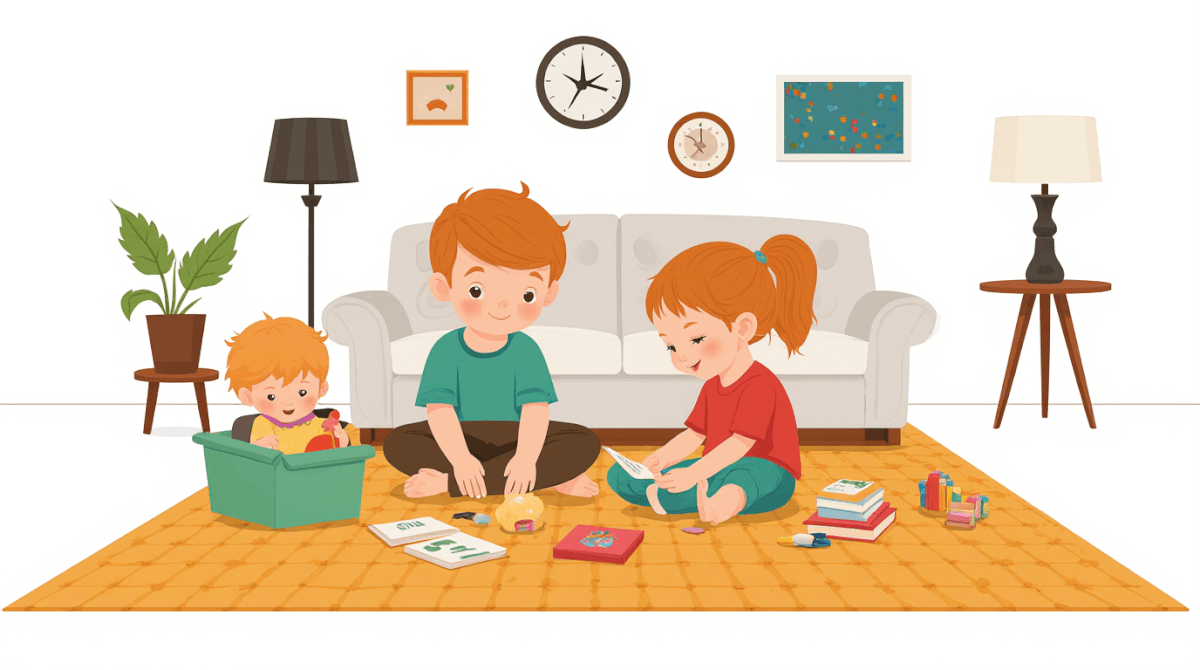
Fairness in an environment can take many forms, from equal distribution of resources to equitable treatment by caregivers. When children perceive their environment as fair, they are more likely to develop a positive sense of self-worth. This is because fairness often correlates with positive experiences that validate the child’s existence and actions. When children receive help or praise based on their efforts rather than favoritism, they learn to value themselves. A study by Bandura et al. (1987) found that children who felt their parents valued them for who they were showed higher self-esteem compared to those who did not feel appreciated.
Fair treatment during early childhood can also influence the development of social skills, which are essential for forming and maintaining relationships. Children who experience fairness in their interactions with peers and adults tend to become better communicators and problem-solvers. When children observe fair play and see others receiving appropriate rewards or consequences based on their actions, they internalize these principles and apply them to their own social interactions. This can lead to more cooperative behavior and reduced instances of bullying or aggression. A longitudinal study by Downey et al. (1998) indicated that children who experienced consistent fairness in family settings were better equipped to form positive peer relationships later on.
Attachment security, another critical aspect influenced by fair treatment during early childhood, is the emotional bond between a child and their caregiver. Secure attachments are formed when caregivers consistently provide comfort, support, and responsiveness to a child’s needs. Fairness can be seen as one of the key components in creating such an environment. When children feel that their caregivers treat them with respect and fairness, they are more likely to develop a sense of safety and trust. This secure base allows children to explore their surroundings confidently and develop autonomy while maintaining close relationships.
The impact of fair treatment on self-esteem, social skills, and attachment security is not immediate; it builds over time through repeated experiences. Consider the case of two siblings who are both given equal opportunities to participate in household chores and family activities. One sibling may feel that their efforts go unnoticed or undervalued, leading to lower self-worth. Another sibling who receives fair treatment will likely develop a stronger sense of self-esteem as they see their contributions appreciated. Over time, these experiences can lead to the child feeling more secure in social interactions and better equipped to handle challenging situations.
Children who experience fairness are more likely to form strong, healthy attachments with others later in life. This is because early experiences shape future expectations and behaviors in relationships. A child who frequently receives fair treatment from their caregivers may expect similar behavior from friends or romantic partners in the future. They are also more likely to exhibit empathy towards others’ feelings, recognizing that fairness involves treating everyone with respect and understanding.
The environment plays a crucial role in shaping these outcomes. Parents, educators, and other adults can significantly influence children’s experiences of fairness by modeling equitable behaviors and creating opportunities for children to engage in fair practices themselves. Family dinners where each member gets a chance to contribute to the conversation or group projects that involve collaborative decision-making can help instill a sense of fairness.
Cultural context also plays a significant role in shaping perceptions of fairness. Different societies may have varying norms regarding what is considered fair treatment. In some cultures, collective harmony might be prioritized over individual recognition, while others emphasize personal achievement and meritocracy. Children growing up in environments that value fairness are more likely to internalize these principles and apply them consistently throughout their lives.
The emotional impact of fair treatment during early childhood profoundly influences a child’s development by fostering self-esteem, enhancing social skills, and promoting secure attachment styles. These outcomes collectively contribute to an individual’s ability to form healthy relationships and make sound decisions as they grow older. While environmental factors play a significant role in shaping these experiences, it is essential for caregivers and educators to actively promote fairness to ensure children receive the support needed for healthy development.
Bandura, A., Ross, D., & Ross, S. A. (1987). Self-efficacy mechanism in resistance to seduction. Journal of Personality and Social Psychology, 52(3), 626-637.
Downey, G., Feldman, S., Coyne, S. M., & Irwin, L. R. (1998). When the going gets tough, the tough get going: Competence beliefs as mediators of risk and adaptation in children from disadvantaged backgrounds. Child Development, 69(2), 470-493.


Be First to Comment