
Understanding cooperation begins with recognizing the emotional bonds that form between individuals, particularly during early development. These bonds are not merely sentimental but deeply rooted in a complex interplay of psychological and social factors. One key mechanism through which these emotional foundations influence cooperation is the process of attachment. Attachment theory, developed by psychologist John Bowlby, describes how children develop relationships with their primary caregivers that provide a secure base for exploration and emotional regulation. This foundation not only impacts individual development but also sets the stage for cooperative behaviors in later life.
Attachment begins when infants experience the comforting presence of their caregivers. When an infant cries or shows distress, a caregiver’s immediate response helps to soothe them. Over time, this pattern reinforces a sense of safety and security, allowing children to explore their environment with confidence knowing they can return to their caregiver for support if needed. This secure base encourages curiosity and social exploration, essential steps in the development of cooperative interactions.
One way attachment influences cooperation is through the regulation of emotions. When children experience negative emotions such as fear or sadness, their caregivers help them manage these feelings by providing comfort and reassurance. This process teaches children to recognize and express their emotions appropriately. If a child encounters a scary dog and feels frightened, a caregiver might hold them, speak in a calm voice, and explain that the dog is friendly. Over time, this emotional regulation becomes internalized, helping children navigate social interactions with empathy and understanding.
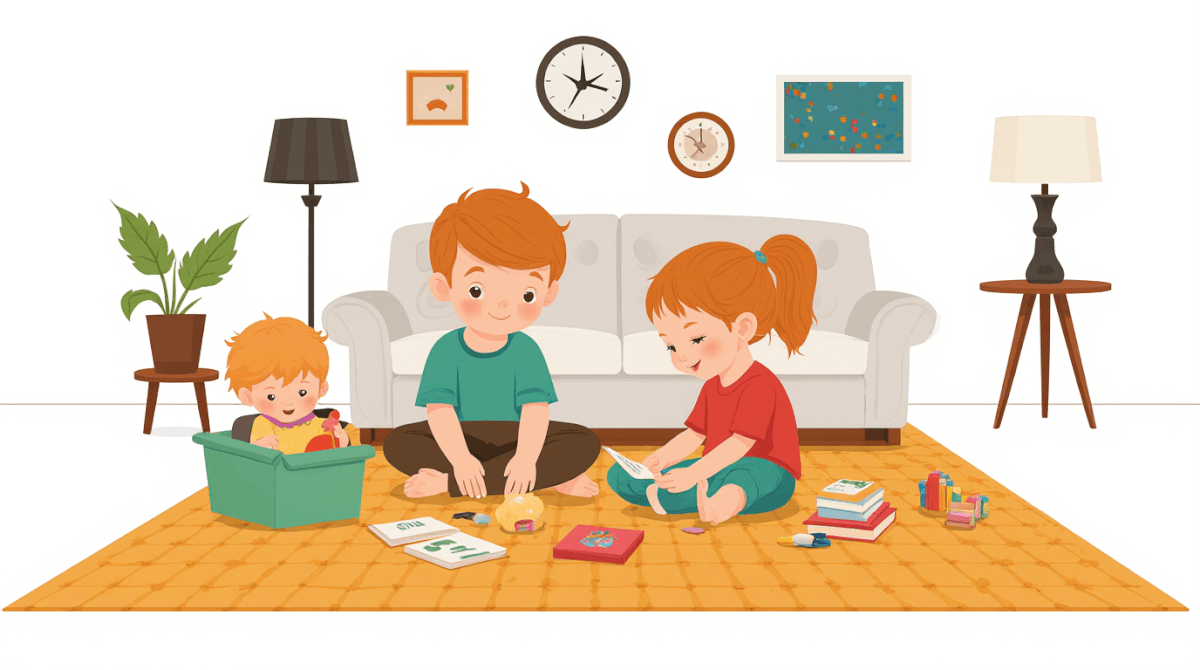
Attachment fosters trust and mutual respect, fundamental elements of cooperation. As children grow, they begin to understand that others have their best interests at heart. This sense of trust encourages them to share, take turns, and collaborate in activities. During playtime, a child who feels secure with their caregiver is more likely to engage in cooperative games like tag or building structures together. These interactions not only build social skills but also enhance the child’s ability to negotiate and compromise.
The quality of early experiences significantly shapes these emotional foundations. Children from warm, responsive homes tend to develop strong, secure attachments. A parent who consistently responds to their infant’s needs—whether through feeding, comforting, or playing—helps create a sense of trust and security. This environment not only supports the child’s emotional well-being but also lays the groundwork for cooperative behavior.
Children who experience inconsistent or neglectful caregiving may struggle with forming secure attachments. Without a reliable source of comfort, they might develop insecure attachment styles that can lead to difficulties in trusting others and cooperating effectively. If a child frequently feels ignored or dismissed by their caregiver, they may become wary of social interactions, preferring solitary play rather than engaging in cooperative activities.
Attachment theory also highlights the importance of cultural contexts in shaping emotional foundations. Different cultures place varying emphasis on communal values and cooperation, which can influence how children learn to cooperate with others. In collectivist societies, there is often a strong emphasis on group harmony and collective responsibility. This cultural context encourages behaviors like sharing and working together, reinforcing the importance of cooperation from an early age.
The social environment plays a crucial role in fostering cooperative behavior. Children who grow up in supportive communities where cooperation is celebrated are more likely to develop the skills necessary for effective collaboration. Participating in group activities at school or community events can teach children how to communicate and work together towards common goals. These experiences help them understand the value of teamwork and the benefits it brings.
The emotional foundations of cooperation begin with the formation of secure attachments between caregivers and children. Through consistent emotional support, trust, and mutual respect, these early relationships lay the groundwork for cooperative behaviors in later life. The quality of early experiences, influenced by cultural contexts and social environments, significantly shapes this development process. By fostering a sense of security and belonging, caregivers can help children build the essential skills needed to cooperate effectively with others.
References:
Bowlby, J. (1969). Attachment and Loss: Vol. 1. Attachment. Basic Books.
Hoffman, M. L. (2000). Empathy and moral development: Implications for cognitive developmental psychology. In W. M. Kurtines & G. R. Lahey (Eds.), Handbook of Moral Behavior and Development (Vol. 2, pp. 3-48). Lawrence Erlbaum Associates.



Be First to Comment